Thane–Navi Mumbai Elevated Road To Cost Commuters More Than Atal Setu; Here’s Everything To Know
Thane–Navi Mumbai Elevated Road To Cost Commuters More Than Atal Setu; Here’s Everything To Know
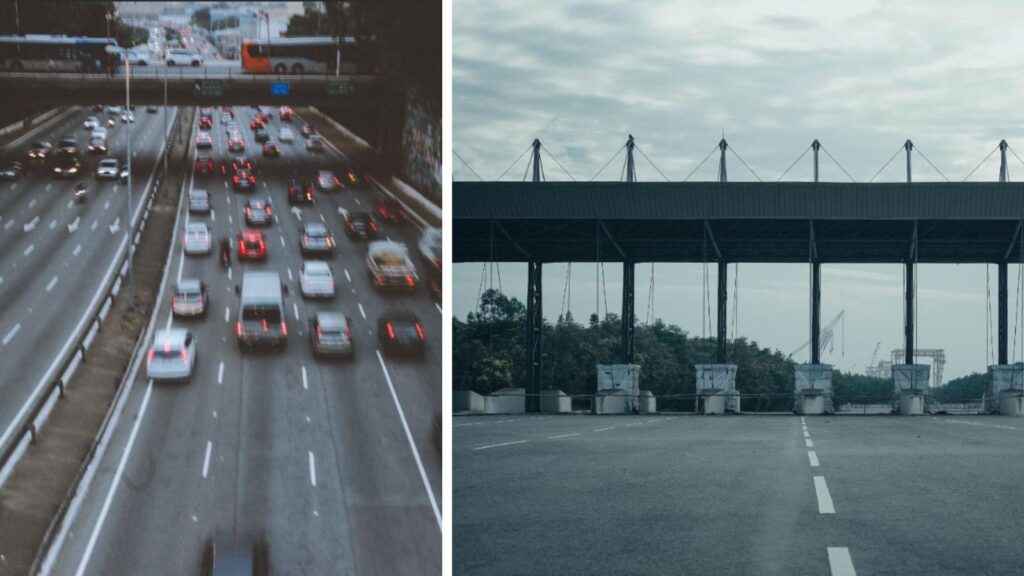
The Maharashtra State Cabinet has cleared a major infrastructure project that promises to change the way people travel between Thane and the upcoming Navi Mumbai International Airport (NMIA). The government, led by Chief Minister Devendra Fadnavis, has approved the construction of a 25-km elevated road at a cost of ₹6,363 crore. The project will be executed by City and Industrial Development Corporation of Maharashtra Limited (CIDCO) under a Public-Private Partnership (PPP) model.
A Crucial Connectivity Project
With Mumbai’s existing airport already operating under heavy pressure, the new Navi Mumbai International Airport is expected to play a key role in handling passenger traffic. However, reaching NMIA from Thane and nearby regions like Kalyan, Dombivli, Ambernath-Badlapur, and Bhayandar has been a growing concern. The elevated road aims to solve this problem by slashing travel time from almost 90 minutes to just 30 minutes.

The six-lane road will feature six interchanges and allow vehicles to move at speeds of up to 100 km/hr. It is expected to ease congestion on the Eastern Express Highway and the Thane-Belapur Road, which currently bear the brunt of daily traffic heading towards Navi Mumbai.
Land and Cost Approvals
The Cabinet has also approved land acquisition for commercial use along the corridor, allowing CIDCO to utilize government land beneath the elevated road at nominal costs. This model is expected to boost the project’s financial viability while encouraging businesses to grow around the new corridor.
CIDCO has been directed to secure all necessary permissions within six months. While the project completion target is three years, delays could occur due to environmental clearances and land acquisition hurdles.
Toll Charges Raise Eyebrows
While the road promises speed and convenience, it comes with a price. Travellers using the elevated corridor will have to pay a toll of ₹365 for a one-way trip. This is significantly higher than the current toll of ₹250 on the Atal Setu sea bridge in Mumbai. According to reports, the toll is likely to increase annually, which may add to the overall travel cost for frequent users.
Despite the high toll, the government sees the project as a game-changer. Officials argue that saving time and easing traffic will benefit lakhs of commuters in the long run, even if it comes at a higher cost.
Boost for Economic Growth
Apart from helping travelers, the elevated road is expected to support the economic development of the surrounding regions. Better airport access is likely to attract businesses, boost real estate, and create new opportunities for job growth. With NMIA projected to handle up to 2 million passengers annually in its initial phase and an estimated 9 million by 2038, the demand for better connectivity is only set to rise.