7 Essential Tips to Keep Your Curry Leaf Plant Healthy During Winter
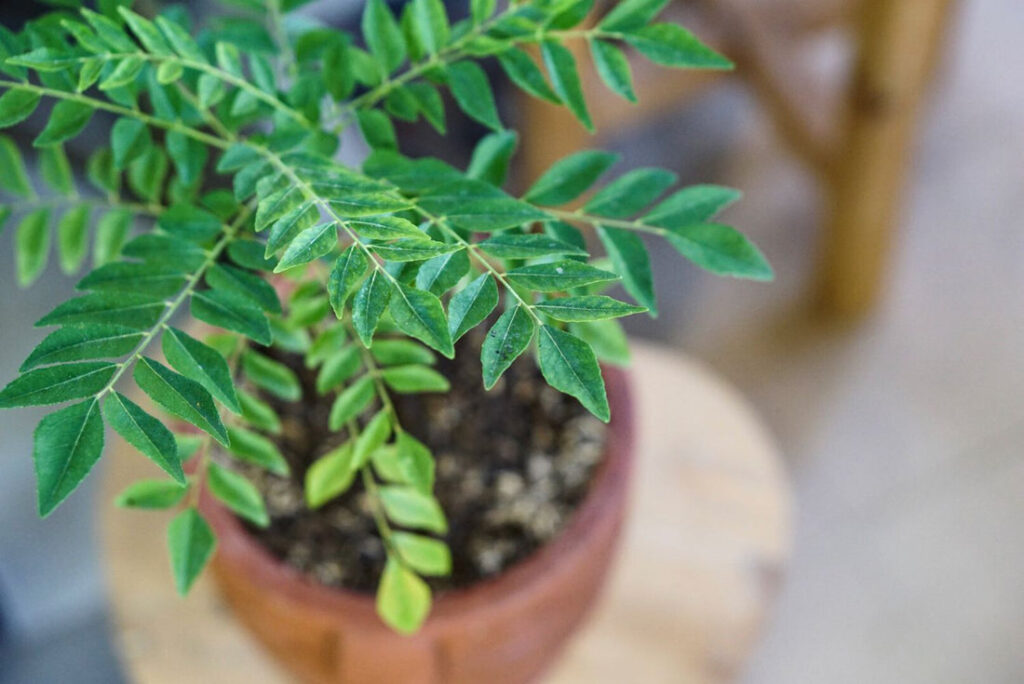
7 Essential Tips to Keep Your Curry Leaf Plant Healthy During Winter
Curry leaf plants are a tropical treasure, cherished for their rich aroma and flavor in South Indian cooking. Growing one at home ensures a constant supply of fresh leaves for your kitchen. However, winter can be challenging for this heat-loving herb. Cold winds, frost, and limited sunlight can slow growth or even damage the plant. With the right care, your curry leaf plant can survive the colder months and flourish again when temperatures rise. Here’s a guide to keeping it healthy during winter.
1. Find the Right Spot for Winter
Curry leaf plants love sunlight, making outdoor growth ideal during warmer months. But when temperatures drop, it’s better to bring potted plants indoors, especially in regions with frost or strong winds. Place your plant in a sunny location during the day, and move it indoors before the evening chill sets in.

Indoors, avoid spots near drafts, heaters, or air-conditioning vents. If natural light is limited, consider using white grow lights to make sure the plant gets enough energy to thrive.
2. Water and Clean Your Plant Carefully
During winter, use slightly warm water for irrigation. Cold water can shock the roots and harm the plant. Keep the soil just moist—not soggy—to prevent root rot.
Regularly cleaning the leaves is also important. Wipe them gently or rinse with a mild saltwater solution to remove dust, pests, or fungal growth. Healthy, clean leaves help the plant stay strong during colder months.
3. Shield from Frost and Cold Winds
If your plant must remain outdoors, insulation is key. Cover it with black plastic or trash bags supported by sticks to create a protective barrier. This can reduce temperature drops by 5-10°F and protect against frost damage.
Adding straw, mulch, or old blankets around the base provides extra warmth. For smaller pots, bringing them indoors at night can make a big difference. Regularly check your plant during late winter to prevent frost injury.
4. Fertilize and Avoid Excessive Pruning
Feed your curry leaf plant with nutrient sticks every 4–5 months, especially if it’s in a pot. Heavy pruning during winter should be avoided, even if leaves turn yellow, as they help the plant conserve energy.
After a couple of winters, your plant becomes more resilient to cold. Young plants benefit from repotting in spring with a wider container and proper drainage, giving roots space to grow strong and healthy.
5. Handle Fruiting Carefully
If your curry leaf plant produces fruit, leaf growth may slow down. Prune fruit-bearing stems and collect seeds to encourage fresh leaf production.
During warmer months, occasional feeding with buttermilk or compost helps stimulate growth. Managing fruiting carefully ensures the plant doesn’t get stressed and continues producing vibrant, aromatic leaves.
6. Boost Growth with Epsom Salt
Epsom salt, rich in magnesium sulfate, supports healthy foliage. Dissolve one tablespoon in a gallon of water and apply to the soil when it’s slightly dry, about twice a month. This encourages lush growth and overall plant health. Similar care benefits other tropical herbs as well.
7. Stick to a Consistent Care Routine
Winter care requires regular attention. Water, sunlight, and frost protection should be monitored closely. If you travel, ask someone to help water and relocate the plant as needed. A shallow water bath indoors can keep roots hydrated while ensuring leaves receive enough light.
Leaf shedding during winter is natural. Avoid over-pruning, as it doesn’t mean the plant is failing. With patience and consistent care, your curry leaf plant will bounce back in spring, ready to enrich your kitchen with fresh leaves once again.
Disclaimer: This article is for informational purposes only. The guidance provided may vary based on your local climate, plant variety, and individual conditions.