10 Hidden Camera Spots in Hotel Rooms You Should Always Check
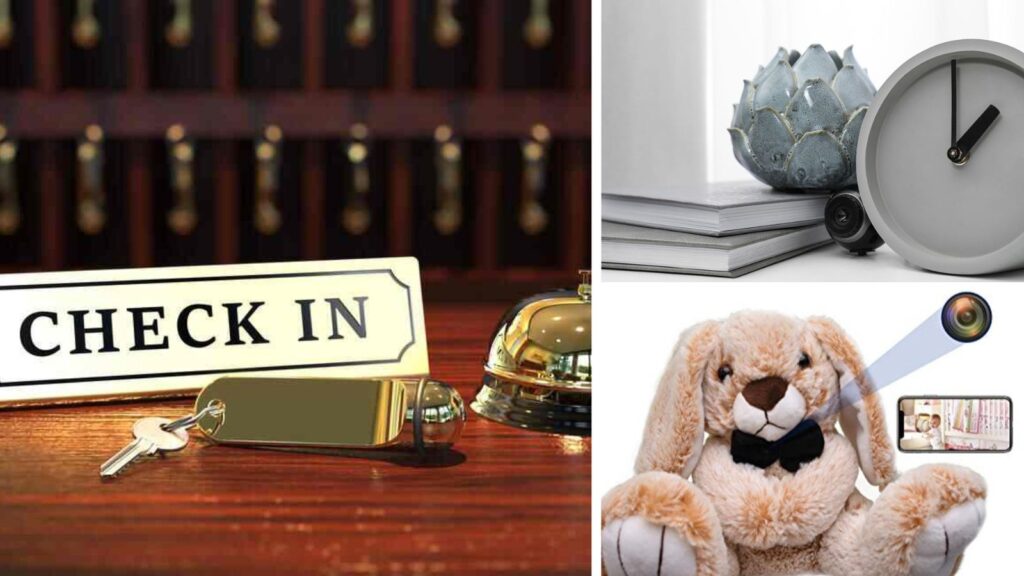
10 Hidden Camera Spots in Hotel Rooms You Should Always Check
Staying in a hotel room should feel safe and private, yet hidden cameras can sometimes invade that personal space. These devices are often disguised in everyday items, making them hard to spot. Knowing the common hiding places can help you stay vigilant and protect your privacy. Here’s a guide to the top 10 spots where hidden cameras are often found.
Two-Way Mirrors
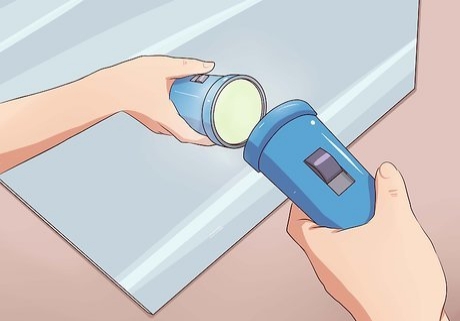
Two-way mirrors are a clever way to conceal cameras. You can test a mirror by placing your fingertip against it—if your reflection touches your finger directly with no gap, it could be a two-way mirror. In such cases, report it to hotel management immediately.

Electrical Outlets
Small pinhole cameras can be hidden in electrical outlets. These spots are convenient because they provide continuous power, making them perfect for long-term recording. If an outlet looks newly installed or slightly unusual, it could contain a hidden device.
Air Vents and Filters
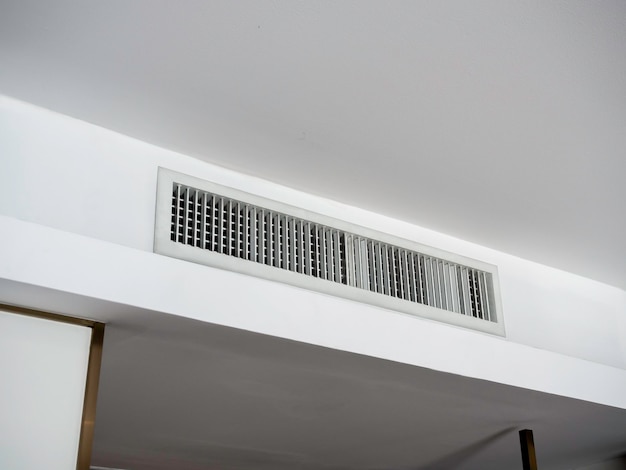
Air conditioning or heating vents may conceal cameras inside their grills. Since vents usually face the main part of the room, hidden cameras can get a wide-angle view. Using a flashlight can help detect any reflective surfaces or unusual spots inside vents.
USB Adapters and Charging Plugs
USB adapters or charging plugs can double as recording devices. Many travelers use hotel charging devices without thinking twice, making them ideal for surveillance. Always use your own charger to avoid this risk.
Table Lamps and Electrical Appliances
Table lamps, desk lamps, or other electronic devices near the bed or desk can conceal cameras. These devices provide a convenient view of the room while appearing completely normal.
Smoke Detectors
Ceiling-mounted smoke detectors are a common hiding spot for cameras. Their small holes and built-in sensors allow cameras to be concealed without drawing attention, providing a clear view of the entire room.
Alarm Clocks
Cameras can be hidden inside alarm clocks. Small devices may be placed behind the digital display or speaker grills. If your alarm clock looks unusual, take a closer look.
Decorative Items
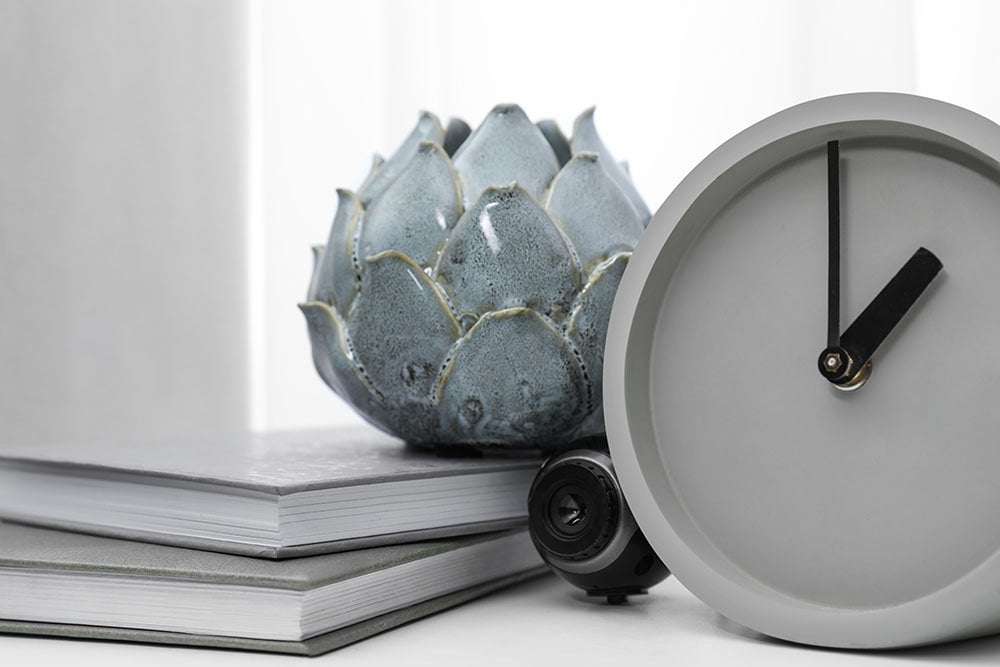
Photo frames, paintings, or other wall decorations can hide cameras. They are often positioned to monitor beds, bathrooms, or changing areas discreetly.
Hooks on Walls
Even small hooks on walls, especially near showers or changing areas, can contain hidden cameras. These inconspicuous items are surprisingly effective for recording activities.
Toys and Cushions
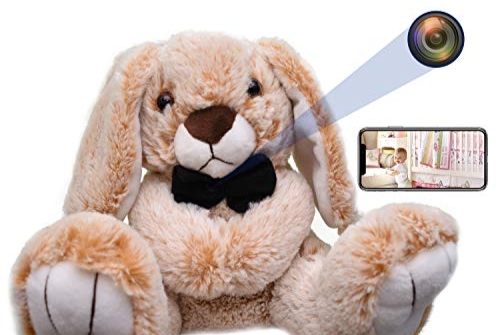
Plush toys or decorative cushions on beds or sofas can also house cameras. Furniture and soft items placed around the room may seem harmless but can conceal recording devices.
After checking into a hotel, it’s a good habit to inspect the room thoroughly. Turn off the lights and use a flashlight or phone camera to check reflective surfaces. You can also review the hotel’s Wi-Fi network for unfamiliar devices. If anything appears suspicious, avoid tampering with it and report your concerns to hotel staff and local authorities. Taking these precautions can help ensure your stay remains safe and private.
Disclaimer
This information is provided for general awareness and personal safety purposes only. It is not intended to accuse any hotel or individual of wrongdoing. Always follow local laws and regulations.