‘Rs 100 For Water Bottle’: Supreme Court Warns Multiplexes To Regulate Prices Or Risk Empty Halls
‘Rs 100 For Water Bottle’: Supreme Court Warns Multiplexes To Regulate Prices Or Risk Empty Halls
Top court questions steep food and beverage rates; stays Karnataka HC’s stringent ticket-tracking order
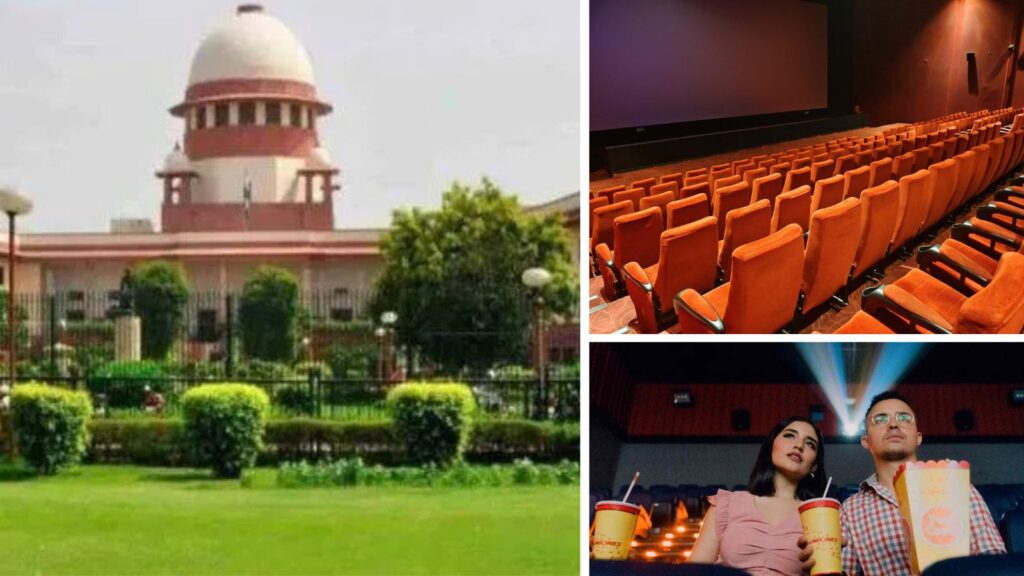
A visit to the movies has gradually turned into a premium luxury for many Indians, not just because of the film tickets but due to the steep prices of snacks and beverages inside multiplexes. A tub of popcorn crossing ₹500–₹700, a cold drink costing nearly eight times its retail price, and even a ₹100 water bottle have long drawn public anger. Now, the Supreme Court has once again raised concerns, remarking that if multiplexes fail to make their prices reasonable, cinema halls may soon find themselves deserted.
Supreme Court’s caution to multiplexes
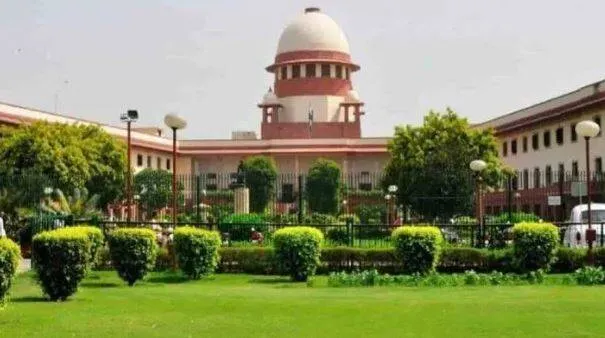
On Monday (November 3), a bench led by Justices Vikram Nath and Sandeep Mehta stayed a Karnataka High Court directive that required multiplexes to maintain exhaustive, auditable records of every ticket sold. The High Court had also suggested collecting ID details for cash purchases—an idea the Supreme Court found impractical.
Senior Advocate Mukul Rohatgi, appearing for the Multiplex Association of India, argued that the HC’s conditions were “unworkable,” noting that most tickets today are sold on online platforms such as BookMyShow. “Who carries an ID card to buy a movie ticket?” he questioned.

But the bench shifted the conversation to affordability. Justice Nath pointed out the rising costs at multiplexes and said, “These rates need to be fixed. Cinema is already declining. Make it more reasonable for people to come and enjoy it, otherwise cinema halls will be empty.”
When Rohatgi responded that people could simply switch to smaller theatres, Justice Nath remarked, “There are no normal ones left. We are with the division bench that it should be ₹200.”
A long-standing debate over unchecked pricing
For years, customers have shared viral posts and photos questioning why a drink sold for ₹50 outside suddenly costs ₹400 inside a theatre, or why popcorn is priced almost like a restaurant meal. Despite this, little has changed.
Multiplex operators have defended their pricing by comparing themselves to hotels and restaurants—businesses that set their own rates. Rohatgi even remarked before the bench, “Taj will charge ₹1,000 for coffee. Can you fix it? It is a matter of choice.”
But the Supreme Court noted the fundamental difference: cinema, once an accessible form of entertainment for all, risks becoming unaffordable and losing audiences.
Why Karnataka tried to intervene
The Karnataka government has attempted to regulate ticket prices citing rising costs and reduced accessibility for the public.
The High Court’s division bench had earlier paused a state-imposed cap but placed strict temporary conditions such as:
• Maintaining detailed, auditable ticket-sale records
• Tracking both online and offline buyers
• Providing numbered, time-stamped receipts for cash payments
• Allowing chartered accountants to verify ticketing data
• Ensuring possible refunds if the state’s price cap is upheld later
The state argued these were merely protective measures. For instance, if a patron paid ₹1,000 for a ticket today and the state ultimately won the case, they could get back the excess amount.
The matter is scheduled for further hearing on November 25.
The bigger picture
With OTT platforms offering cheaper alternatives and movie-going turning increasingly expensive, the Supreme Court’s concern reflects a larger shift in entertainment consumption. If the cinema experience continues to be priced beyond reach, India’s multiplexes might struggle to hold on to their once-loyal audience.