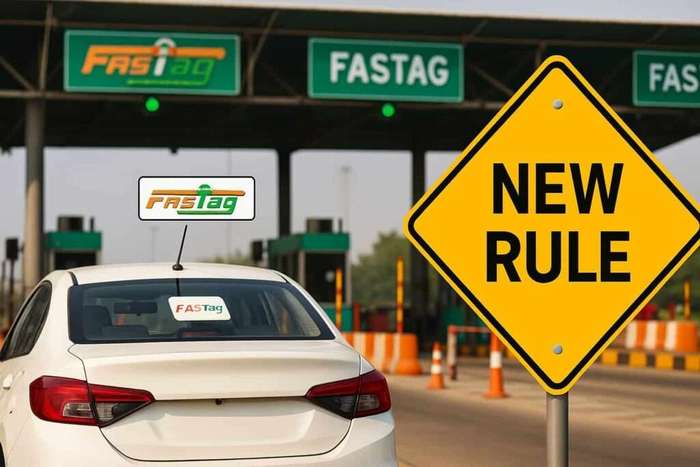
FASTag Rule Changed from November 15: Cash Payments To Cost Double, UPI Users Get Relief
Pune: Toll Hike From April 1 Will Raise Travel Costs On Highways, Affecting Pune–Mumbai Commute
Drivers without a working FASTag will pay sharply higher tolls, with UPI emerging as the cheapest fallback option.
A major change in the toll system has come into effect from November 15, 2025, bringing a direct impact on anyone travelling on national highways. The Centre has amended the National Highway Fee Rules, restructuring how drivers are charged when their FASTag fails to scan or when they enter a toll plaza without one.
Under the new system, the earlier uniform fee for all non-FASTag vehicles has been scrapped. Now, the amount you pay depends entirely on the mode of payment. If your FASTag is working, nothing changes — you will continue paying the normal toll. The bigger shift applies when FASTag is absent or non-functional.

If a driver pays in cash after FASTag failure, the toll amount doubles. For a standard ₹100 toll, the cash payment becomes ₹200. However, those opting for UPI or any digital method get a substantial concession. Digital payments are now charged at only 1.25 times the normal rate, meaning the same ₹100 toll will cost ₹125 if the FASTag doesn’t work but the payment is made digitally.
The Ministry of Road Transport says the goal is to cut cash usage, make toll plazas faster, and improve transparency in the system. Frequent issues such as tag expiry, unreadable FASTags or technical glitches earlier forced many drivers to pay double, even when it wasn’t their fault. The new rule ensures that digital payments provide relief from unnecessary penalties.
Officials also expect shorter queues, quicker vehicle movement and fuel savings as more drivers shift away from cash. With the Digital India initiative backing these reforms, motorists are being strongly encouraged to keep their FASTag active and, in case of failure, switch immediately to UPI to avoid paying double.