When Should You Brush Your Teeth? Experts Explain The Best Time For Maximum Oral Hygiene
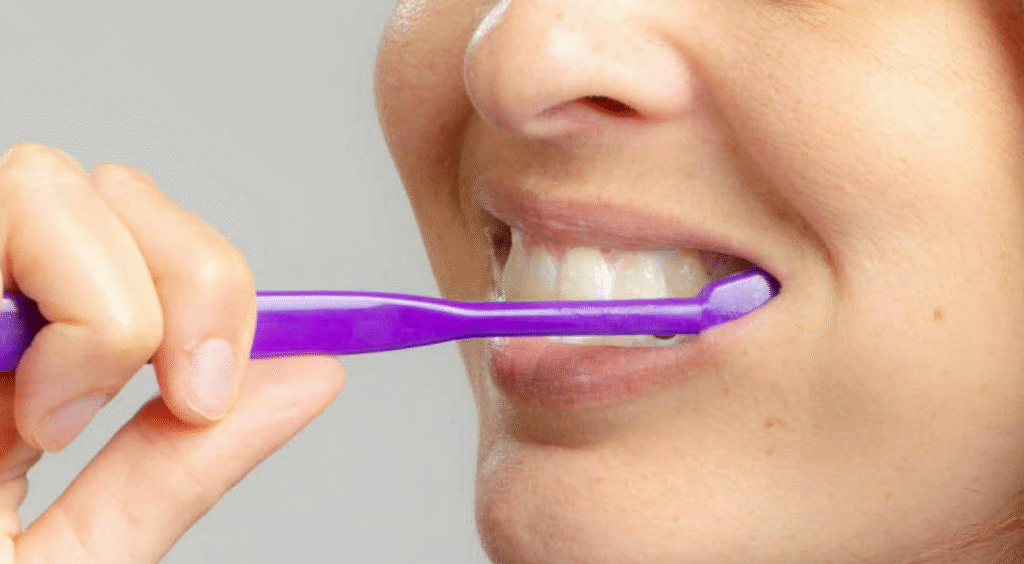
When Should You Brush Your Teeth? Experts Explain The Best Time For Maximum Oral Hygiene
Brushing before meals protects enamel and reduces bacterial buildup, but timing after meals matters too.
Oral hygiene forms the foundation of a healthy mouth, preventing cavities, gum disease, plaque buildup and bad breath. But while brushing twice a day is universally recommended, the timing of your brushing routine can significantly influence how well your teeth are protected — especially in the morning.
The question people debate most is whether brushing should happen before or after breakfast. Dentists explain that time of brushing affects the strength of your enamel, the behaviour of oral bacteria, and the overall cleaning effectiveness throughout the day.

Brushing before breakfast remains the safest and most widely recommended option. Overnight, the mouth accumulates bacteria and plaque. Brushing first thing in the morning removes this layer, freshens breath and coats the teeth with fluoride, creating a protective barrier before they encounter sugars and acids from food. This reduces the risk of enamel erosion and cavity formation.
Some people, however, prefer brushing after eating to clear away food debris. While this can help, the timing must be handled carefully. Acidic foods — like citrus fruits, juice, tomatoes or coffee — temporarily soften tooth enamel. Brushing right after consuming them can damage the surface. Experts advise waiting at least 30 minutes to allow saliva to neutralise acids and strengthen enamel before brushing.
Ultimately, the best routine depends on diet and personal comfort, but brushing before meals provides the strongest protection for most people.
Dentists stress that good brushing technique and consistency matter just as much as timing. A soft-bristled brush, fluoride toothpaste and two minutes of gentle cleaning twice a day remain essential. Avoid brushing too aggressively, as this can wear down enamel and irritate gums over time.
The most effective routine combines morning brushing before breakfast, evening brushing before bed, and mindful timing after meals when acidic foods are involved. Understanding these simple principles allows you to reduce dental risks, improve oral hygiene and maintain long-term enamel strength.
Disclaimer: This article provides general information and should not be considered medical advice. For personalised dental recommendations, consult a certified healthcare professional.