Maharashtra Approves First-Ever Leopard Sterilisation Plan Amid Rising Attacks

Leopard Relocation Plan: Maharashtra Forest Dept Signs Pact With Vantara To Shift 50 Leopards From Junnar
The state is preparing to test a new method to control the growing leopard population after a sharp rise in attacks across several districts.
Leopard attacks have become a serious concern in Maharashtra, especially in parts of Pune, Nashik, Ahmednagar and Kolhapur. Over the last decade, the number of incidents has increased sharply, leading to deaths, injuries and heavy losses for farmers. With traditional measures failing to control the situation, the state has now cleared a historic trial sterilisation of free-roaming leopards for the first time in India.
Officials say the crisis has worsened mainly in North Pune, where leopard numbers have multiplied rapidly. In 2015, forest records showed around 450 leopards in the region. By 2018, the number had risen to 700. In the next three years, it touched nearly 1,000. Present estimates suggest the population in this zone has crossed 2,000, more than doubling in just four years.
This sharp rise has placed intense pressure on rural communities. Residents in Shirur, Junnar, Ambegaon, Alephata, Pimpalrekha and Jambut say daily life has become unpredictable. Attacks on livestock have increased, and people often avoid venturing out early in the morning or after dark. Forest data shows that around 1,500 cattle die each year in leopard attacks, adding up to nearly 14,000 animals lost over a decade.

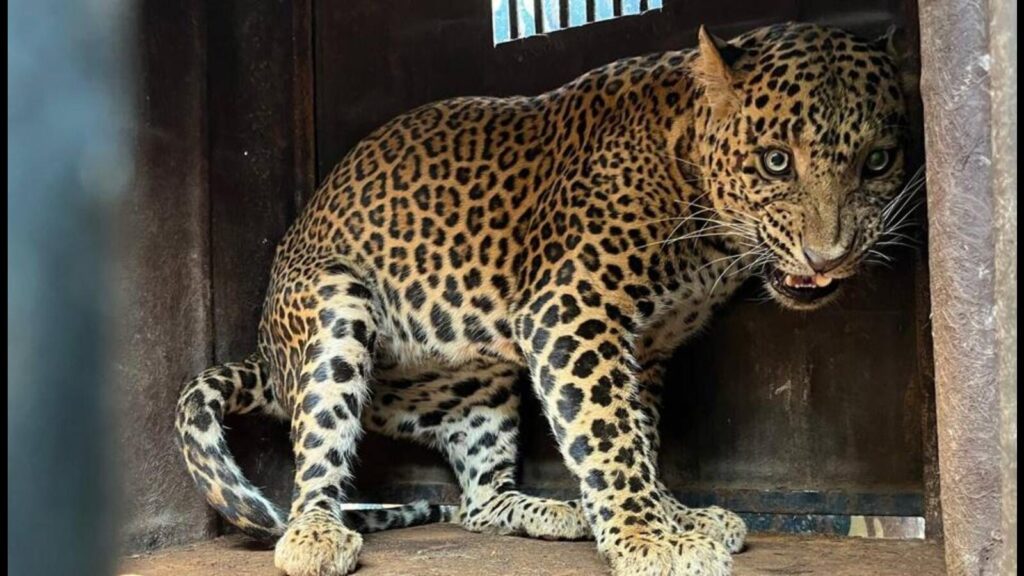
Human casualties have also been troubling. About 60 people have lost their lives to leopard attacks in the last ten years, and more than 400 have suffered injuries. The fear has become so strong in certain villages that some families are reportedly declining marriage alliances due to concerns about safety in these regions.
Traditional measures such as capturing and relocating leopards have not worked. Even after setting up thousands of cages, the department has managed to capture only around 348 leopards in recent years, and only 260 could be rehabilitated. Experts say relocating animals often increases conflict because leopards return or new animals occupy the territory.
To break this cycle, the government has now approved a sterilisation pilot. The plan includes creating scientific guidelines, veterinary protocols and safe trapping techniques before the procedure is implemented. A team of wildlife biologists, veterinary surgeons and forest officers will handle the process to ensure animal welfare and ecological balance are maintained.
The decision has drawn attention nationwide because no state has attempted sterilisation of wild leopards before. Officials believe that if the pilot succeeds, it may offer a long-term, non-violent way to stabilise leopard numbers in populated areas. However, experts also stress that sterilisation is only one part of the larger strategy, which must include better waste management, securing livestock, and educating communities about shared habitats.
For now, Maharashtra is preparing the ground for the trial, hoping it will reduce conflict and bring relief to affected rural families.