Smart Eating: Top Brain-Boosting Foods for Kids’ Healthy Minds

Smart Eating: Top Brain-Boosting Foods for Kids’ Healthy Minds
A child’s brain develops at an astonishing pace, especially in the early school years. During this time, proper nutrition plays a crucial role in shaping their memory, attention, learning abilities, mood, and overall cognitive growth. While there isn’t a single “miracle” food that will instantly make children smarter, a well-rounded diet with the right nutrients can support their brain function and help them reach their full potential.
Fatty Fish
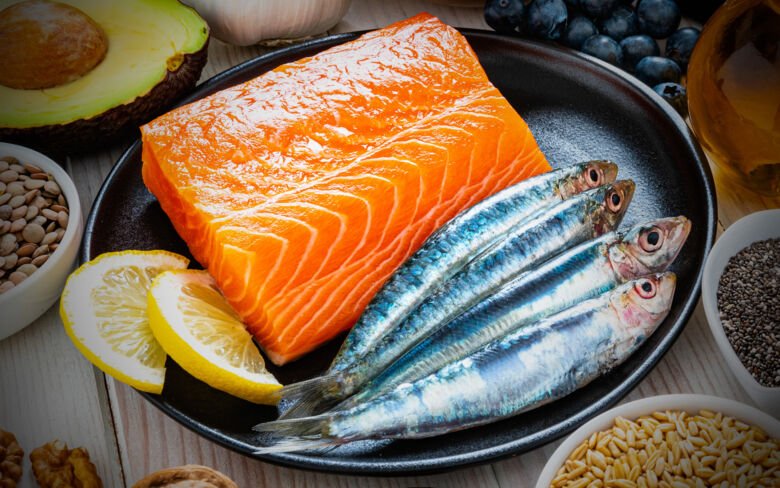
Oily fish like salmon, sardines, and mackerel are rich in omega-3 fatty acids, essential for building brain cells and improving communication between neurons. Kids who consume omega-3 regularly tend to have better memory and clearer thinking. If your child isn’t fond of fish, alternatives such as flaxseeds, chia seeds, or omega-3-enriched milk are excellent substitutes.

Eggs
Eggs are loaded with choline, a nutrient vital for brain development and memory. They also provide high-quality protein that keeps children energized throughout the day. Boiled eggs, omelets, or egg sandwiches at breakfast can help kids stay alert and focused in class.
Berries
Blueberries, strawberries, raspberries, and blackberries are packed with antioxidants that protect the brain from stress and inflammation. These fruits support memory and cognitive function while providing natural sugars for a quick, healthy energy boost. Berries can be added to yogurt, cereals, smoothies, or served as snacks.

Leafy Greens
Spinach, broccoli, and kale are rich in folate, iron, and antioxidants—all important for a growing brain. Iron ensures oxygen reaches the brain efficiently, keeping kids attentive and active. You can make these vegetables more appealing by adding them to soups, parathas, dosas, or pasta dishes.
Seeds and Nuts
Almonds, walnuts, pumpkin seeds, and sunflower seeds offer healthy fats, protein, vitamin E, and zinc. Vitamin E helps protect brain cells, while zinc is essential for memory and learning. Walnuts, interestingly, resemble the shape of the brain and can support problem-solving and cognitive development.
Whole Grains
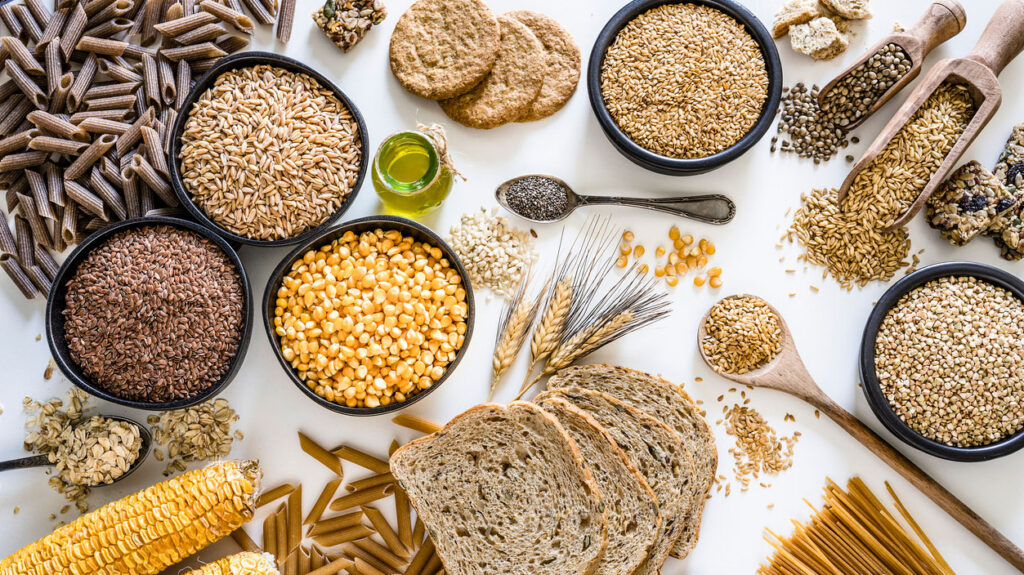
Whole grains like oats, brown rice, and whole wheat bread provide a steady source of glucose, which fuels the brain. Their slow-release energy helps children stay focused and prevents mid-day fatigue. Starting the day with whole grains can improve attention and concentration throughout school hours.
Dairy and Milk

Milk, cheese, and yogurt supply protein, calcium, and vitamin B12, all crucial for brain development and nerve function. Probiotic-rich yogurt also promotes gut health, which is closely linked to better mood and cognitive abilities.
A balanced diet, alongside sufficient sleep, regular physical activity, and limited screen time, plays a key role in supporting children’s brain growth. Introducing these nutrient-dense foods in daily meals ensures that children not only thrive physically but also develop strong mental and cognitive skills.
Disclaimer: This content is for general informational purposes only and is not a substitute for professional medical advice. Always consult a pediatrician or nutritionist before making major changes to your child’s diet.