Why This Place Is Called the “Land of Snow” — A Frozen High-Altitude World That Fascinates the Globe
Why This Place Is Called the “Land of Snow” — A Frozen High-Altitude World That Fascinates the Globe
When we think of places covered in snow, high mountains and icy landscapes come to mind. One region that truly embodies this image is Tibet, often called the Land of Snow. Known for its breathtaking scenery, towering peaks, and long winters, Tibet has a unique environment where snow is not just seasonal but a defining feature of the land.
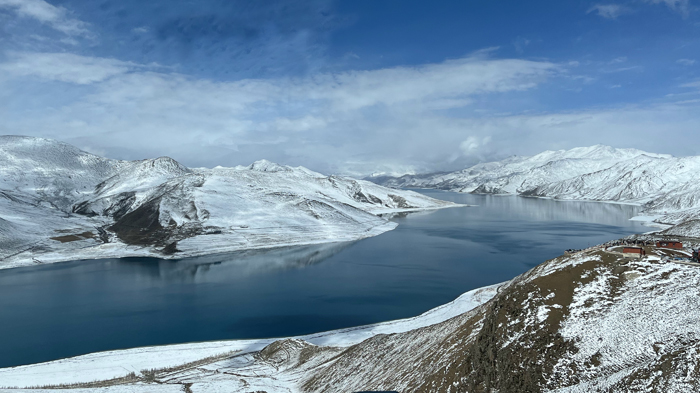
Tibet is located on the Tibetan Plateau, the highest plateau in the world, surrounded by the majestic Himalayas. This high-altitude region remains cold for most of the year, with snow covering mountains, valleys, and plateaus. The combination of elevation and geography ensures that the area stays icy and pristine, giving it the nickname the Land of Snow.
The climate in Tibet is harsh yet fascinating. Winters are long, winds are strong, and humidity is low. Even in summer, temperatures remain relatively low because of the thin air and high altitude. Snowfall and frozen terrain dominate the landscape for most of the year, creating a striking natural environment unlike anywhere else on Earth.

Many parts of Tibet lie above 4,000 meters, which contributes to the constant cold. Thin air at this height cannot hold warmth, so temperatures drop quickly. Sunlight may reach the land, but it cannot raise the temperature significantly, allowing snow and ice to remain for months at a time.
Tibet is also home to some of the world’s highest peaks, including Mount Everest and other Himalayan mountains. Famous areas like Lhasa, Shigatse, Mount Kailash, and regions near Everest are popular among travelers who want to experience glaciers, icy lakes, and panoramic mountain views. These regions highlight why Tibet is so closely associated with snow and cold landscapes.
While Tibet is often thought of as a country, it is officially governed as a province-level region of China, known as the Tibet Autonomous Region (TAR). Its political status is a complex and historical issue, but culturally and geographically, Tibet remains a place defined by its snow and high-altitude terrain.
Note: This article is for information purposes only. The term “Land of Snow” is commonly used to describe regions known for their high altitude and snow-covered landscapes.