How First Flight Over Ulwe Signals New Era and New Pressures for Navi Mumbai Housing?

How First Flight Over Ulwe Signals New Era and New Pressures for Navi Mumbai Housing?
As commercial operations begin, residents welcome connectivity but fear noise, rising rents, and a rapid surge in property prices
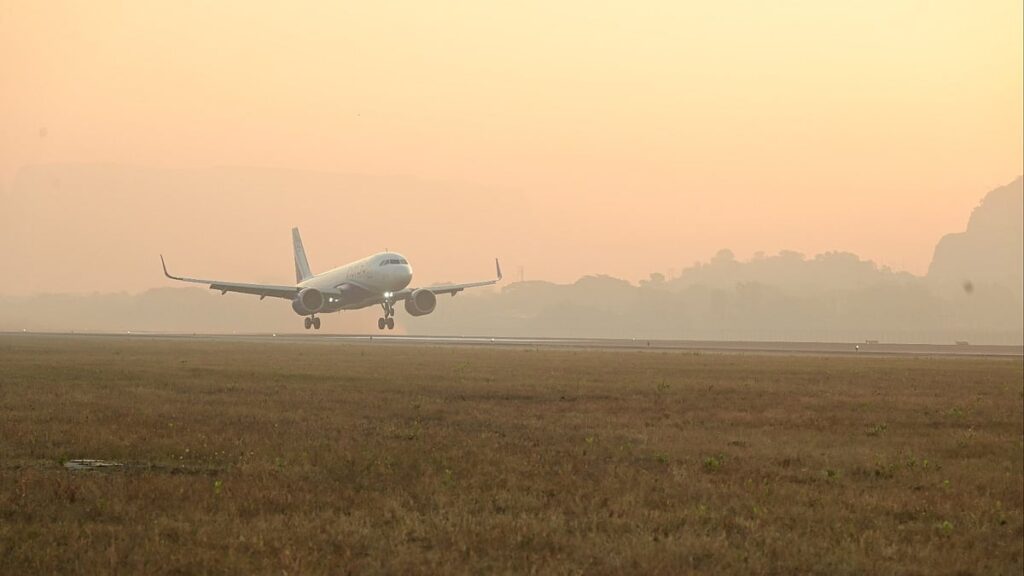
The first commercial flight taking off from the Navi Mumbai International Airport has done more than mark a long-awaited aviation milestone—it has triggered a wave of excitement, unease, and fresh anxiety among residents of Ulwe and surrounding neighbourhoods. Morning joggers, shopkeepers and passersby paused as the aircraft roared overhead, flying strikingly close to high-rise buildings and making the airport’s arrival suddenly real.
While many residents acknowledge that aircraft noise may become part of daily life, concerns are mounting over affordability. Tenants fear that rents will rise sharply, while homeowners and investors anticipate a new upswing in property values—continuing a trend that has been building for years.
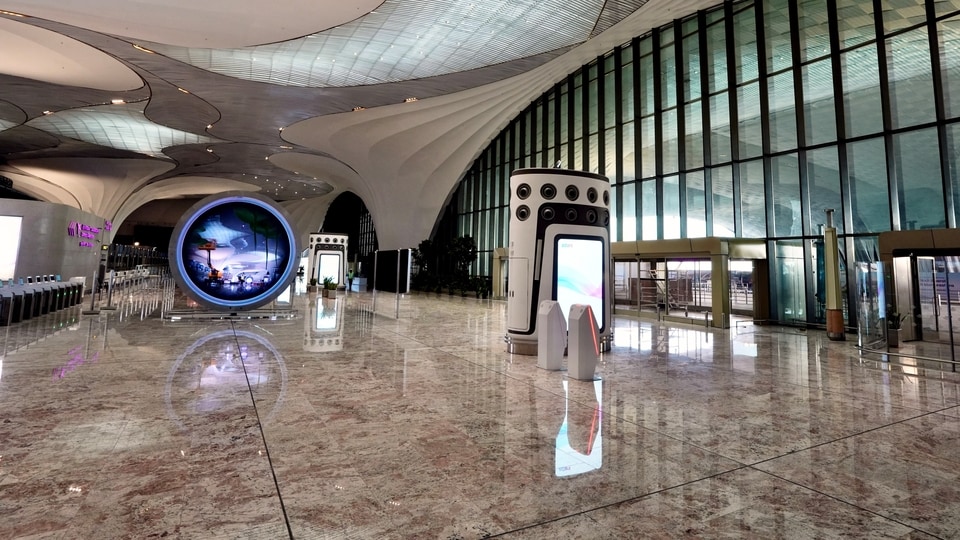
Ulwe, a micro-market formed by merging villages of the traditional Koli fishing and farming community, has transformed rapidly due to its strategic coastal location and proximity to major infrastructure. Over the past five years, multiple mega projects have reshaped the node, creating a cascading effect on both capital values and rental rates. The airport’s operational debut is widely seen as the tipping point.

From a connectivity standpoint, Ulwe sits at a strategic crossroads. It is linked by road to Belapur and Seawoods Estate to the north, across Panvel Creek, and to Jawaharlal Nehru Port toward the west. At present, covering the roughly 31 km distance to Bandra Kurla Complex or South Mumbai can take anywhere from 60 to 120 minutes, depending on traffic.
That equation is set to change. Once the Mumbai Trans Harbour Link (MTHL) is fully operational, travel time between Ulwe and South Mumbai or BKC is expected to shrink to 30–60 minutes. This improved access is already being priced into the market.
The ripple effect is visible across Panvel, Ulwe and Kharghar, where developers and investors are moving quickly to capitalise on the airport-led growth story. Analysts point out that the Navi Mumbai Airport Influence Notified Area (NAINA) has seen land prices range from ₹5 lakh to ₹25 lakh per guntha (101.17 sq m), translating to roughly ₹5,000–₹25,000 per sq m—levels that reflect rising investor confidence ahead of increased commercial activity.
Adding further momentum is the state government’s plan for a 667-acre Aerocity near the airport. Envisioned as a mixed-use hub, the Aerocity is designed to house financial services firms, corporate offices, export-oriented businesses and aero-centric warehousing, alongside hotels, hospitals, schools, residential complexes and entertainment facilities. Real estate experts believe this blend of commercial and social infrastructure will significantly enhance the region’s long-term attractiveness.
Price projections underscore the shift. Across Navi Mumbai—particularly in Panvel—property rates are expected to rise 5–15% following the airport’s inauguration. Current prices in Panvel and New Panvel range from about ₹6,500 to ₹10,500 per sq ft, depending on location and project specifications. Post-airport, these rates could move into the ₹12,500–₹15,000 per sq ft bracket, reshaping affordability for end-users even as returns improve for early investors.
For residents on rent, however, the transition is bittersweet. While economic activity, job creation and better connectivity promise long-term benefits, the immediate fear is displacement through higher rents and living costs. The first flight has thus become a symbol of both opportunity and uncertainty.
What is clear is that the airport’s arrival is redefining Navi Mumbai’s real estate landscape, accelerating the transformation of once-quiet suburbs into high-value residential and commercial hubs. Early movers are already seeing gains—suggesting that the real impact of this aviation milestone is only just beginning.
Disclaimer: Property prices and projections are indicative and subject to market risks. Readers are advised to evaluate financial decisions carefully and consult qualified experts where necessary.