Online Games Are Rewiring Children’s Brains — Experts Warn Parents About The Hidden Addiction Trap
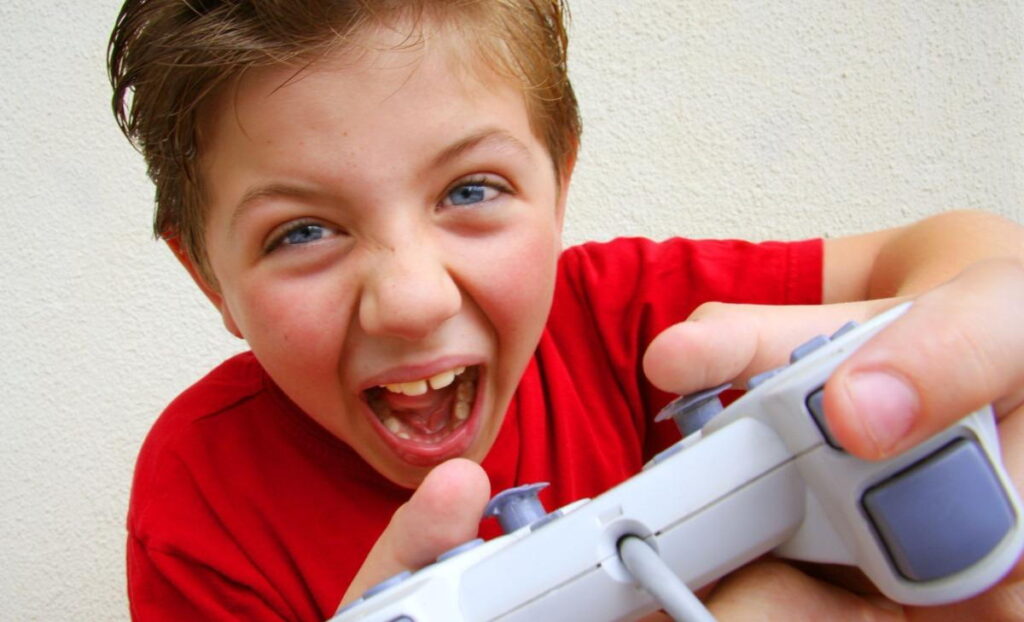
Online Games Are Rewiring Children’s Brains — Experts Warn Parents About The Hidden Addiction Trap
From dopamine-driven rewards to rising anxiety, doctors say excessive gaming can quietly impact a child’s mental health and behaviour.
Online gaming has become a daily habit for many children, but experts are now warning that these games can have a direct and lasting impact on the developing brain. What begins as harmless entertainment can slowly turn into a behavioural trap, affecting mood, focus, and emotional stability.
Health specialists note that online battle games are designed to keep players hooked. Playing triggers the release of dopamine — the brain chemical linked to pleasure and reward. This activates the brain’s reward system, making children want to return to the game repeatedly. As the article explains, “Playing battle online games produces dopamine hormone… This activates the reward system of the brain. This makes children fall into the trap of games again.”
The concern has grown sharper after the tragic Ghaziabad case, where three sisters reportedly died by suicide. Preliminary information suggested that the girls were addicted to online gaming, raising alarm among parents nationwide.

Experts say gaming addiction is no longer just a lifestyle issue. The World Health Organization has officially classified “gaming disorder” as a mental health condition, where individuals lose control over gaming and begin ignoring studies, work, and even physical health.
Medical reports also suggest that excessive gaming can negatively affect the brain’s emotional regulation. “A report by the National Institutes of Health states that gaming addiction negatively affects the brain’s reward system,” the article notes, adding that there have been cases of suicide after losing a game or when parents object to continued play.
Children who spend long hours gaming may show signs of irritability, anxiety, reduced concentration, and withdrawal from real-world activities. Not playing can also cause restlessness, a key sign of dependency.
Surveys in India indicate that the younger generation is spending increasing time online, and behavioural changes are becoming more visible. Parents are being urged to monitor screen time, encourage outdoor activity, and seek professional help if warning signs appear.
The message is clear: moderation, supervision, and emotional support are essential to prevent gaming from becoming a silent mental health risk.
Disclaimer: This article is for general awareness only and is not a substitute for professional medical or psychological advice.