Italian Report Claims Air India AI-171 Crash May Have Been Intentional, Probe Not Yet Final
Italian Report Claims Air India AI-171 Crash May Have Been Intentional, Probe Not Yet Final
Unnamed sources cited abroad suggest manual fuel cut-off, but Indian authorities have not released any official conclusion.
A fresh international media report has reignited debate over the June 2025 crash of Air India flight AI-171 in Ahmedabad, with claims that investigators may be leaning towards an “intentional act” rather than a technical failure.
According to an Italian daily, Corriere della Sera, the crash may have been triggered by the manual shutdown of engine fuel control switches shortly after take-off. The Boeing 787 Dreamliner plunged into a medical students’ hostel just seconds after departure, killing 260 people in one of India’s deadliest aviation disasters in decades. Only one passenger survived.
However, the report is based on unnamed sources familiar with discussions between Indian and US investigators, and the Directorate General of Civil Aviation has not yet issued any final findings.

A preliminary report released by India’s Aircraft Accident Investigation Bureau (AAIB) in July 2025 had stated that moments after take-off, the aircraft’s fuel control switches were moved from the “run” position to “cut-off.” The cockpit voice recording reportedly captured one pilot asking the other why the fuel was cut off, with the other responding that he did not do so.
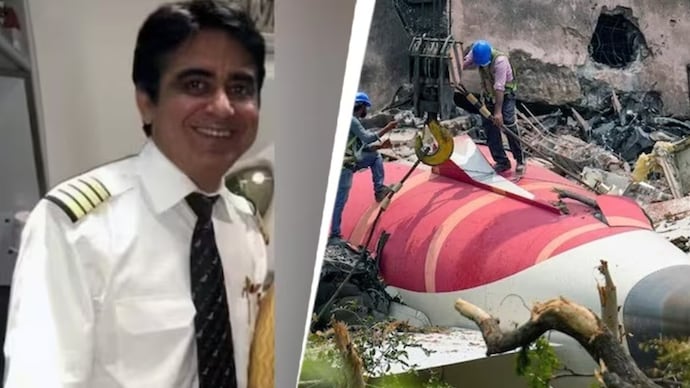
The Italian newspaper now claims investigators believe the commander, Captain Sumeet Sabharwal, may have operated the switches deliberately, causing a near-simultaneous loss of thrust in both engines. First Officer Clive Kunder was flying the aircraft at the time, while the captain was acting as pilot monitoring.
The report also suggests enhanced audio analysis may have helped investigators identify which pilot manipulated the controls, with sources insisting the action could not have been accidental.
The Italian account further mentions speculation about the captain’s mental health, including claims of depression — an allegation strongly rejected earlier by pilot associations and Captain Sabharwal’s family. His father had dismissed such narratives and demanded a fair and transparent probe.
Pilot unions have repeatedly warned against speculative theories implying suicide or intentional wrongdoing, calling them harmful and unproven until an official report is released.
Indian authorities have so far avoided assigning blame, and the final investigation report is still awaited. The Italian report has nevertheless renewed scrutiny over cockpit procedures, pilot mental health monitoring, and the handling of sensitive aviation investigations.