Holi 2026: Why White Is the Preferred Colour During the Festival of Colours
Holi 2026: Why White Is the Preferred Colour During the Festival of Colours
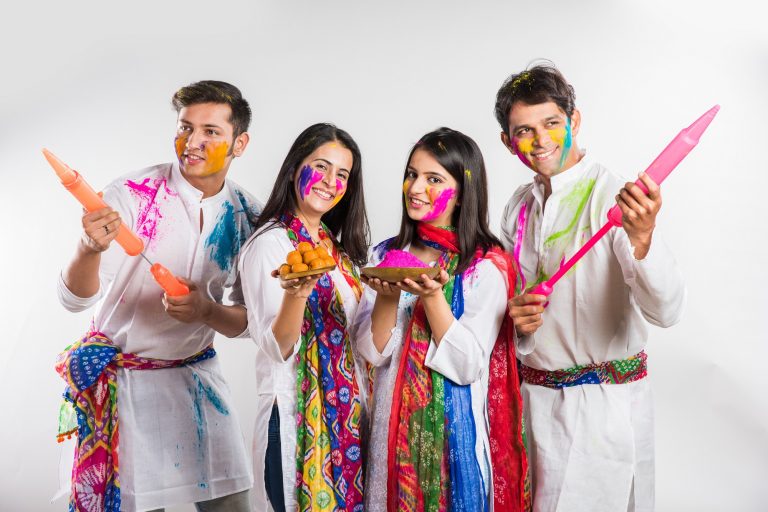
During Holi, we usually see people dressed in white before stepping out to play with colours. Even though the festival is known for bright gulal and water splashes, white remains the most popular choice every year. In 2026, Holi will be celebrated on March 4, while Holika Dahan will take place on March 3. As preparations begin, many once again will pick simple white outfits — and this tradition has strong cultural, spiritual, historical, and practical reasons behind it.
White as the Perfect Background for Colours
One of the most obvious reasons is visual appeal. Bright shades of red, yellow, green, and blue stand out sharply on white fabric. The colour contrast makes the celebration look more vibrant and lively in photographs and gatherings. White works like a blank base that allows every splash of gulal to appear more intense and beautiful.

A Symbol of Purity and New Beginnings
In Indian culture, white represents peace, purity, and spiritual clarity. Holi marks the arrival of spring and the end of winter — a seasonal change that symbolises renewal and fresh starts. The festival also recalls the story of Prahlad and Holika, which signifies the victory of good over evil. Wearing white reflects positivity, harmony, and the idea of beginning again with forgiveness and goodwill.
Equality Beyond Social Differences
Holi is often described as a festival that removes social boundaries. Differences of caste, class, age, and status fade away as everyone celebrates together. White, being a neutral colour, visually places everyone on equal footing before the colours blend everything together. It strengthens the festival’s message of unity and togetherness.
Mythological and Historical Connections
In many depictions of Lord Krishna playfully applying colours to Radha and the gopis, they are often shown wearing white garments that later become soaked in bright hues — symbolising love, joy, and equality.
Historical accounts also suggest that Holi celebrations in royal courts involved nobles dressed in fine white clothes before the festivities began. Once colours were thrown, those outfits transformed, creating a tradition that continues even today.
Practical and Weather-Friendly Choice
Holi falls in early spring when temperatures begin to rise. White fabrics such as cotton and linen reflect heat and help keep the body cool during outdoor celebrations. These materials are lightweight and breathable, making them comfortable for long hours of celebration. White clothes are also simple and affordable, which makes sense for a festival where stains are expected.
Bollywood’s Role in Popularising White on Holi
The influence of cinema has further strengthened this trend. Memorable Holi scenes from films like Sholay, Silsila, and Yeh Jawaani Hai Deewani showed actors wearing white kurtas and sarees before being drenched in colour. These iconic visuals shaped public perception and made white the unofficial dress code for Holi celebrations.
Spiritual Meaning Behind the Colour
White is also associated with simplicity and detachment in Indian spiritual traditions. Wearing white during Holi can symbolise letting go of ego, negativity, and social labels. Once covered in colours, everyone looks the same, reinforcing the spirit of shared joy.
Outfit Suggestions for Holi 2026
A chikankari kurta or a classic white kurta-pyjama paired with a bright dupatta or stole offers a festive yet comfortable look.
A plain white T-shirt with denim shorts or joggers creates a casual and modern style.
Choosing breathable fabrics ensures comfort throughout the day.
Holi 2026: The Meaning Behind the White Dress Tradition
White may not remain spotless for long on Holi, but that is exactly the point. It highlights the vibrancy of colours, represents purity and unity, connects to mythology and history, and suits the season practically. More than just a fashion choice, wearing white reflects the deeper spirit of Holi — celebration, equality, and joyful transformation.
Note: This article is for informational purposes only.