Petrol, Diesel Prices To Rise Amid West Asia Tensions? Government Denies
Petrol, Diesel Prices To Rise Amid West Asia Tensions? Government Denies
Officials say India has adequate fuel reserves and stable supply despite global energy disruptions.
Amid rising tensions in West Asia due to the Iran–Israel conflict, the Indian government has assured citizens that petrol and diesel prices are not expected to increase immediately and that fuel supplies across the country remain stable.
According to government sources, India currently has sufficient fuel reserves and supply arrangements, ensuring that petrol and diesel availability will not be affected despite disruptions in global energy markets.
Officials said domestic fuel prices are unlikely to rise unless international crude oil prices cross around $130 per barrel. At present, crude oil prices are expected to remain near $100 per barrel, which is not likely to trigger an immediate price hike in India.

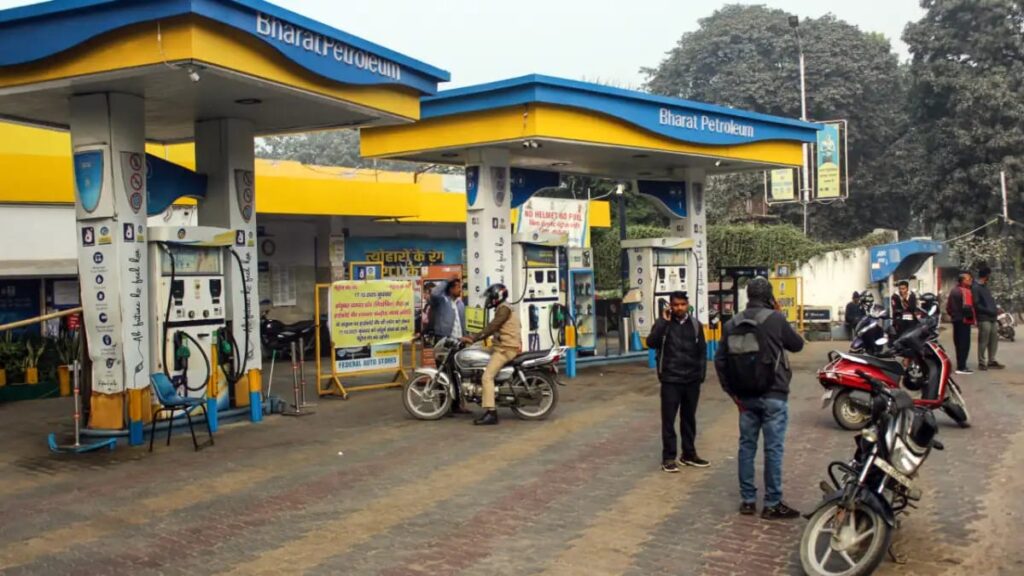
Authorities also clarified that there is no shortage of petrol or diesel at fuel stations across the country. Supplies at petrol pumps are continuing normally and there is no disruption in distribution.
In light of current geopolitical disruptions to fuel supply and constraints on supply of LPG, Ministry has issued orders to oil refineries for higher LPG production and using such extra production for domestic LPG use.
— Ministry of Petroleum and Natural Gas #MoPNG (@PetroleumMin) March 9, 2026
The ministry has prioritised domestic LPG supply to…
Government Strengthens Energy Preparedness
Officials added that India has been actively diversifying its crude oil import sources to reduce dependence on sensitive global routes such as the Strait of Hormuz, which has come under pressure due to the ongoing conflict.
India is also in a relatively strong position compared to many countries in managing energy supply. According to officials, the country is both a producer and exporter of aviation turbine fuel (ATF), ensuring adequate fuel availability for the aviation sector as well.
In my regular interaction with members of the fourth estate today, we discussed various aspects of India’s uninterrupted energy imports despite geopolitical challenges.
— Hardeep Singh Puri (@HardeepSPuri) March 6, 2026
Our priority is to ensure availability of affordable and sustainable fuel for our citizens, and we are doing… pic.twitter.com/u4QCfSVgQo
Union Petroleum and Natural Gas Minister Hardeep Singh Puri also reassured citizens, stating that there is “no shortage of energy in India and no cause of worry for consumers.”
Government Invokes Essential Commodities Act
To prevent hoarding and ensure fair distribution of cooking gas, the government has invoked provisions under the Essential Commodities Act (EC Act).
The move aims to ensure uninterrupted supply of domestic LPG cylinders, particularly during the ongoing geopolitical tensions affecting global fuel supply.
As part of these measures, the government has increased the minimum waiting period for LPG refill bookings from 21 days to 25 days, discouraging panic buying and stockpiling.
In light of current geopolitical disruptions affecting global fuel supply, steps have been taken to enhance LPG production and prioritise its availability for domestic consumers and essential non-domestic sectors such as hospitals and educational institutions.
— Indian Oil Corp Ltd (@IndianOilcl) March 10, 2026
Requests from other… pic.twitter.com/tvAftzauu4
Oil marketing companies such as Indian Oil Corporation have also stated that steps are being taken to increase LPG production and prioritise domestic consumers as well as essential sectors like hospitals and educational institutions.
What Is The Essential Commodities Act?
The Essential Commodities Act, 1955 allows the government to regulate production, supply and distribution of certain essential goods to prevent hoarding and black marketing.
The Act is administered by the Department of Consumer Affairs and helps authorities intervene during supply disruptions to ensure essential commodities remain available to consumers at fair prices.
Officials emphasised that the current measures are precautionary and that India’s energy supply remains stable despite the ongoing global tensions.