Many ‘Desi’ Vegetables In Your Kitchen Are Actually Foreign — Here’s The Truth
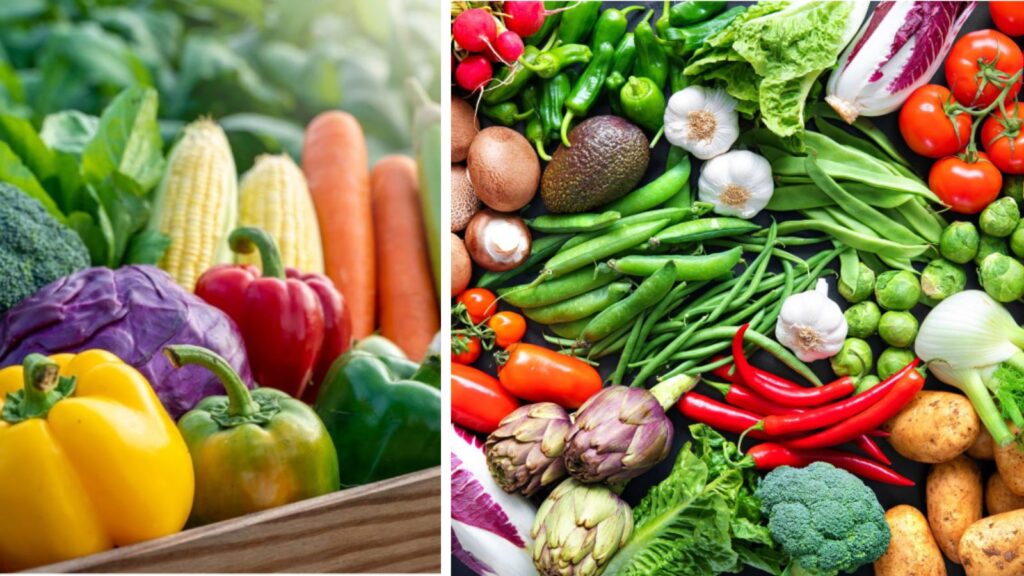
Many ‘Desi’ Vegetables In Your Kitchen Are Actually Foreign — Here’s The Truth
From potatoes to chillies, several everyday ingredients in Indian cooking originated abroad and became staples over centuries
Indian cuisine is known for its diversity, rich flavours, and seasonal vegetables. But what many may find surprising is that several vegetables considered “desi” today are actually foreign in origin, brought to India centuries ago through trade, migration, and colonial influence.
The Global Roots Of Indian Food
India has long been a crossroads of cultures and trade routes. Over time, this exchange introduced a wide range of crops into the country. While today they feel completely local, many of these ingredients originally came from regions like South America, Europe, and Central Asia.
Potato: A Staple With Foreign Origins
One of the most widely consumed vegetables in India, the potato, actually originated in the Andes region of South America. It was introduced to India by Portuguese traders in the 17th century and quickly became a staple due to its versatility.

Tomato: The Tangy Import
Tomatoes, essential to Indian gravies and curries, also came from South America. Over time, they blended seamlessly into Indian cooking and are now considered indispensable.
Peas: Another Foreign Addition
Peas, now commonly used in Indian cooking, also originated outside India and were introduced through trade before becoming part of daily meals
Chillies: Not Originally Indian
The spice that defines Indian heat—chillies—was introduced from the Americas by Portuguese traders. Their strong flavour and adaptability made them an instant success across Indian kitchens.
Cabbage And Cauliflower: Colonial Additions
Vegetables like cabbage and cauliflower have European and Mediterranean origins. They were introduced during colonial times and are now widely used in Indian dishes, especially in North India.
Capsicum: A Global Traveller
Capsicum, commonly used in pulao, poha, and sabzis, traces its roots to Central and South America. It was brought to India through European trade routes.
Carrot: A Mixed Origin Story
While wild carrots originated in Persia, the bright orange variety we commonly use today was developed in Europe before making its way to India.
A Blend Of Cultures On Your Plate
Experts note that a significant portion of what we eat today has global origins. Food habits evolved over centuries through migration and trade, making Indian cuisine a true blend of global influences adapted to local tastes.
Today, these “foreign” vegetables are so deeply integrated into Indian cooking that imagining a kitchen without them feels impossible.