8 Natural Plants That Can Help Keep Lizards Away from Your Home
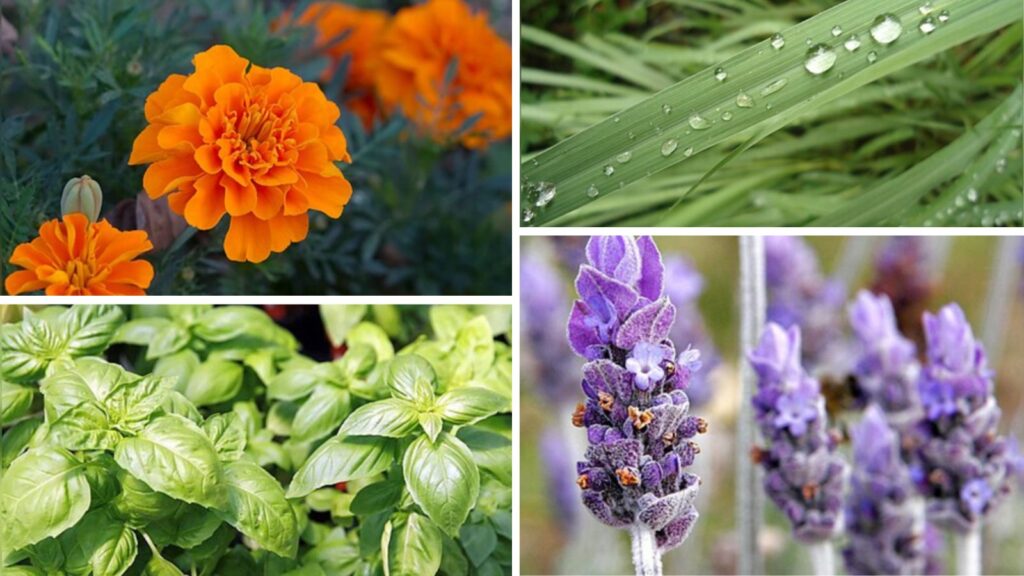
8 Natural Plants That Can Help Keep Lizards Away from Your Home
Just like humans have dislikes—certain smells or substances that trigger allergies or discomfort—lizards also react strongly to specific scents in their surroundings. Interestingly, while some plants may attract insects (which lizards feed on), there are others whose strong aromas make these reptiles uncomfortable enough to stay away. If you’re looking for a natural, chemical-free way to reduce lizard visits in your home, adding the right plants can make a noticeable difference.
Here’s a list of plants that not only beautify your space but may also help keep lizards at bay.
1. Peppermint
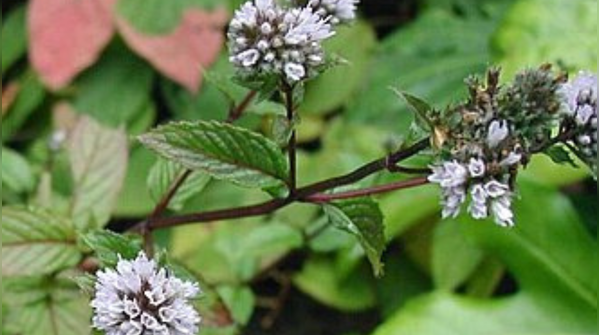
Peppermint is known for its sharp, refreshing fragrance, but for lizards, it can be overwhelming. Their sensitive sense of smell makes them avoid areas where this strong minty scent is present. You can grow peppermint in small pots near windows or entry points. Another effective method is to crush the leaves and mix them with water to create a natural spray. It thrives indoors with partial sunlight and even helps repel spiders and other insects.

2. Eucalyptus
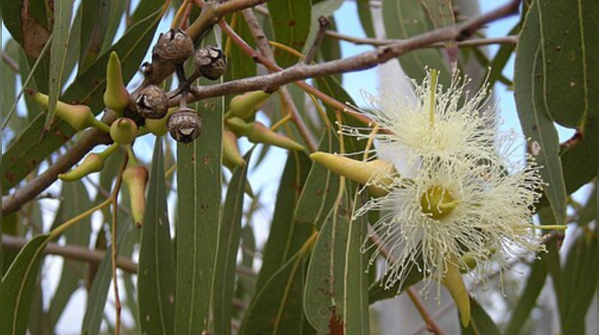
Eucalyptus leaves are rich in natural oils that release a powerful aroma disliked by lizards. Placing potted eucalyptus—often called Nilgiri plants—near doors, balconies, or windows can act as a natural barrier. This plant prefers well-lit areas and grows well in balconies. Besides repelling pests, it adds a refreshing fragrance to your home.
3. Basil
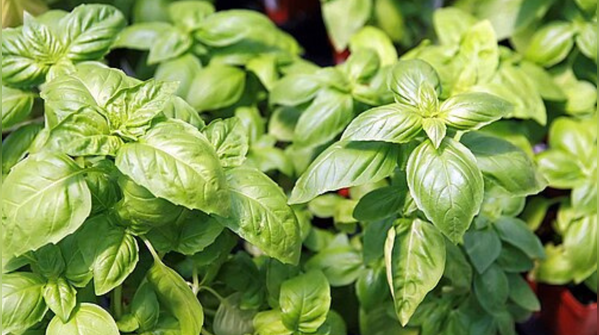
Basil (Ocimum basilicum) carries a strong, slightly clove-like scent that lizards tend to avoid. It’s widely used in Indian cooking, making it both useful and practical. Basil grows best in sunny spots and can easily be maintained in pots or gardens. Keeping basil plants near entrances or windows may help reduce lizard activity.
4. Garlic
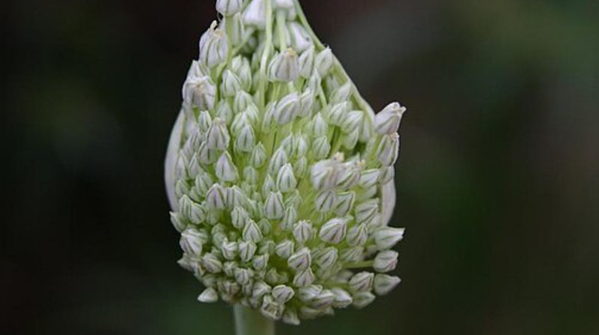
Garlic is well known for its pungent, sulfur-rich smell, which works as a natural repellent. You can plant garlic around your garden or place garlic cloves near doorways and windows. Hanging garlic braids is another traditional method. It is easy to grow throughout the year and serves as both a kitchen staple and an economical pest-control option.
5. Rosemary
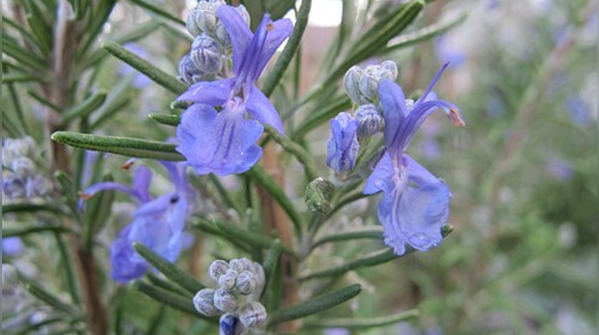
Rosemary has a strong, woody fragrance that naturally discourages lizards from entering your space. It grows well in pots and prefers temperatures above 10°C. You can also use rosemary in cooking or make simple sprays from its leaves. This herb not only helps in keeping lizards away but also enhances the aroma of your home.
6. Lavender
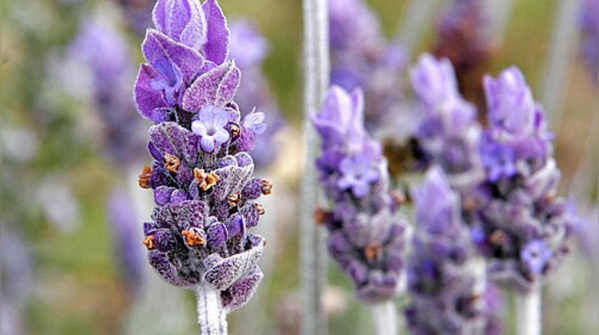
Lavender produces a rich floral scent that many people find calming, but lizards and insects generally dislike it. It can be planted in sunny areas or used as a diluted essential oil spray around the house. Originally from the Mediterranean region, lavender is relatively low-maintenance and adds a soothing touch to your indoor or outdoor décor.
7. Lemongrass
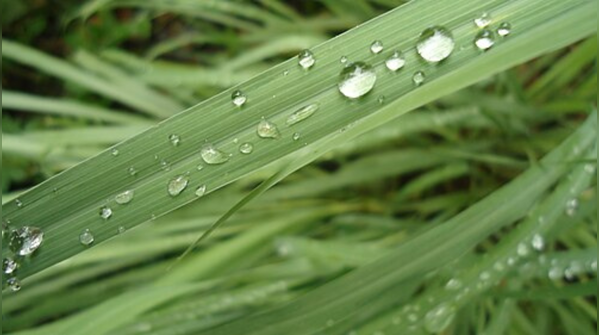
Lemongrass emits a strong citrus fragrance that acts as a natural deterrent for lizards. Planting it near entry points like doors, windows, or balconies can create an invisible protective barrier. It thrives in warm, humid conditions and is also commonly used in cooking, making it both practical and effective.
8. Marigold
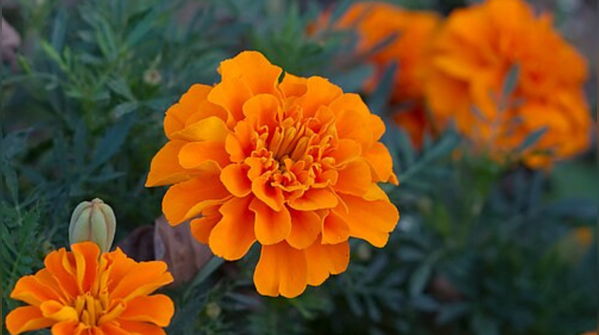
Marigolds are bright, vibrant flowers that contain pyrethrin, a natural compound known for repelling insects. Since lizards are often attracted to insects, reducing their food source helps keep them away as well. Marigolds can be planted along garden borders or placed on windowsills to add color while serving as a natural defense.