Going Out for 2 Days? Here’s Whether You Should Keep Your Fridge On or Turn It Off
Going Out for 2 Days? Here’s Whether You Should Keep Your Fridge On or Turn It Off
Experts say for short trips, keeping the refrigerator on is usually the safer and smarter option.
When families leave home for a weekend trip or short summer vacation, one common question often comes up: should the fridge be switched off or left running?
According to experts, if you are going out for just one or two days, there is usually no need to turn the refrigerator off. Keeping it running helps preserve food, avoids bad odours, and reduces unnecessary strain on the appliance.

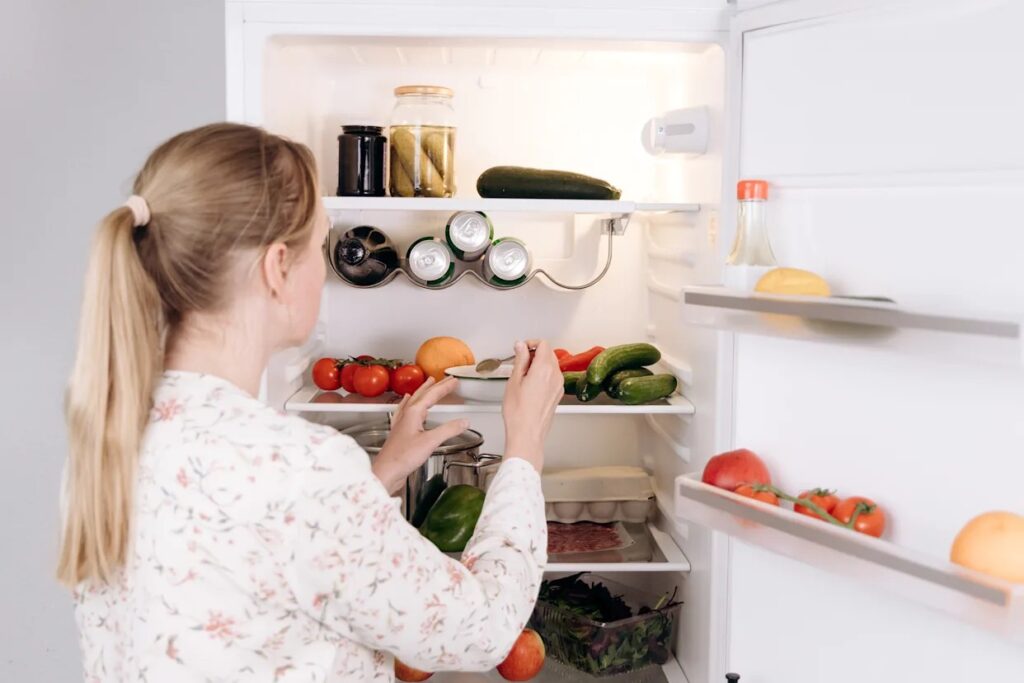
If your fridge contains milk, curd, vegetables, fruits or leftover cooked food, switching it off can quickly raise the internal temperature. This creates conditions where bacteria can grow faster, leading to spoiled food and foul smells by the time you return.
Experts also warn that repeatedly switching a fridge off and then back on may put stress on the compressor. When restarted, the machine has to work harder to cool the inside again, which can affect long-term efficiency.
Many people turn off refrigerators to save electricity. However, modern refrigerators are designed to be energy efficient. For a short absence of one or two days, the power savings are generally small. In some cases, restarting a warm fridge can consume extra energy as it works to bring temperatures down again.
If the fridge is nearly empty and has no perishable food items, switching it off may be considered. But before doing so, users should remove all food, clean shelves and trays, wipe moisture completely, and leave the door slightly open to prevent mould or musty smells.
Experts say switching off the fridge is more practical when leaving home for a week or longer.
They also shared simple tips to improve fridge performance:
- Allow hot food to cool before placing it inside. Putting warm dishes directly into the fridge increases internal temperature.
- Do not overfill shelves, as cold air needs space to circulate properly.
- Keep vegetables, dairy items and raw food in separate sections to avoid contamination.
- Try not to open the door repeatedly or leave it open for long periods.
- Maintain a temperature between 2°C and 5°C for safe storage and reduced bacterial growth.
In simple terms, for a short one or two-day trip, leaving the fridge on is usually the safest and most convenient choice. It protects stored food, avoids cleaning trouble later, and helps the appliance function normally.
Disclaimer: Refrigerator performance may vary by model, age, maintenance condition and power supply. Users should also follow manufacturer instructions for their specific appliance.