Pune’s Katraj Snake Park Is More Than Just Snakes — 10 Things Visitors Should Know
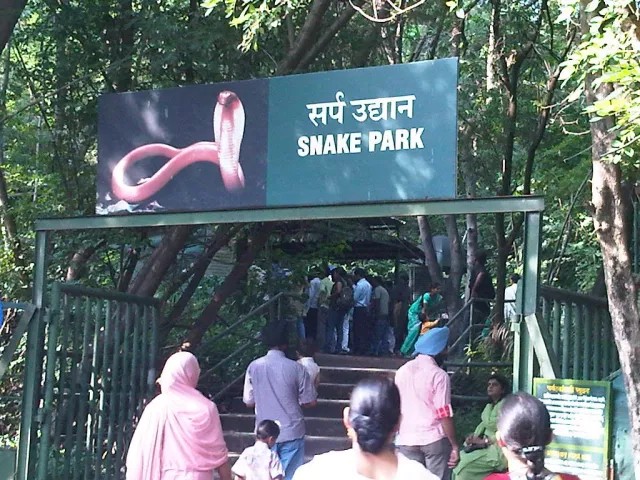
Pune’s Katraj Snake Park Is More Than Just Snakes — 10 Things Visitors Should Know
From a conservation mission to a vast zoo experience, this hidden gem offers more than most expect
Tucked inside Pune’s expansive Rajiv Gandhi Zoological Park, Katraj Snake Park is often misunderstood as just a reptile attraction. In reality, it is part of a much larger 130-acre zoo complex that includes mammals, birds, a rescue centre, and even a scenic lake, making it a much bigger experience than first-time visitors anticipate.

The park was originally established in the 1980s by wildlife expert Neelam Kumar Khaire with a strong focus on snake conservation and awareness. What began as a mission to change public perception about reptiles has now evolved into one of western India’s most significant wildlife spaces, while still continuing its educational efforts, especially during events like Nag Panchami.
One of the biggest surprises for visitors is the scale. The zoo is divided into multiple sections, including a snake park, animal orphanage, and full-fledged zoo. This means a quick visit is rarely possible. Exploring the entire complex can take three to four hours, while even the reptile section alone may take over an hour.

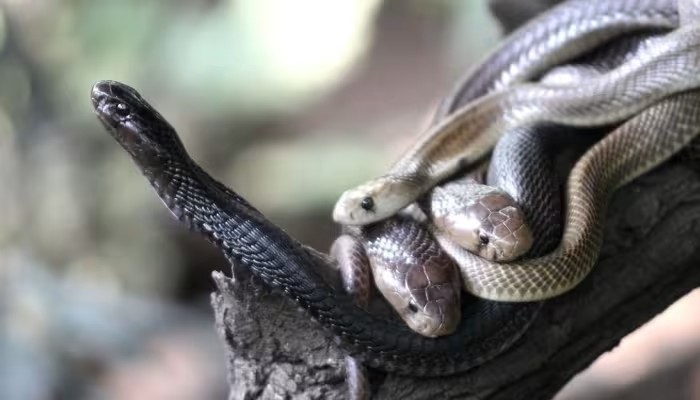
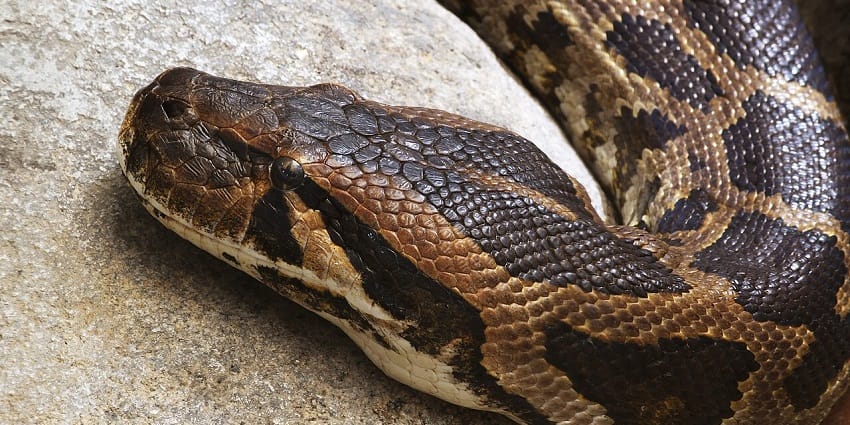
The snake collection itself is impressive, featuring more than 22 species and over 150 reptiles. These include king cobras, Indian rock pythons, and Russell’s vipers. One of the standout highlights has been a king cobra reportedly stretching over 13 feet, drawing attention from wildlife enthusiasts and students alike.
Despite its scale, the park remains budget-friendly. Entry tickets are priced affordably, making it accessible for families and students. Its combination of low cost and educational value makes it one of Pune’s most underrated attractions.
Visitors are often caught off guard by the amount of walking required. Even though facilities like battery-operated vehicles and wheelchair access are available, the large area can feel physically demanding, especially during summer. Comfortable footwear is strongly recommended.
Timing also plays a key role in the experience. While the park usually opens around 9:30 AM and closes between 5 PM and 5:30 PM depending on the season, winter and monsoon months are considered the best time to visit, as animals especially reptiles are more active in moderate temperatures.
One commonly overlooked detail is that the park remains closed every Wednesday. Many visitors miss this and end up wasting a trip, making it important to check timings in advance.
Unlike safari-style attractions, the focus here is more on education than entertainment. Animals are housed in secure enclosures, and the park emphasises awareness, behaviour, and conservation rather than spectacle. Informational displays and learning resources make it particularly valuable for students.
Another hidden highlight is the large lake within the zoo premises, spread across nearly 29 acres. It adds a scenic element to the visit and supports a variety of birds and wildlife, though many visitors tend to overlook it while focusing only on enclosures.
Weekends and holidays can get crowded, so those looking for a quieter experience are better off visiting on weekday mornings, when the park is less busy and easier to explore at a relaxed pace.
Overall, Katraj Snake Park is not just a reptile enclosure but a conservation-driven, educational destination that offers far more depth and scale than most people expect at first glance.