No FASTag On Windscreen? NHAI Warns Of Blacklisting For Violations
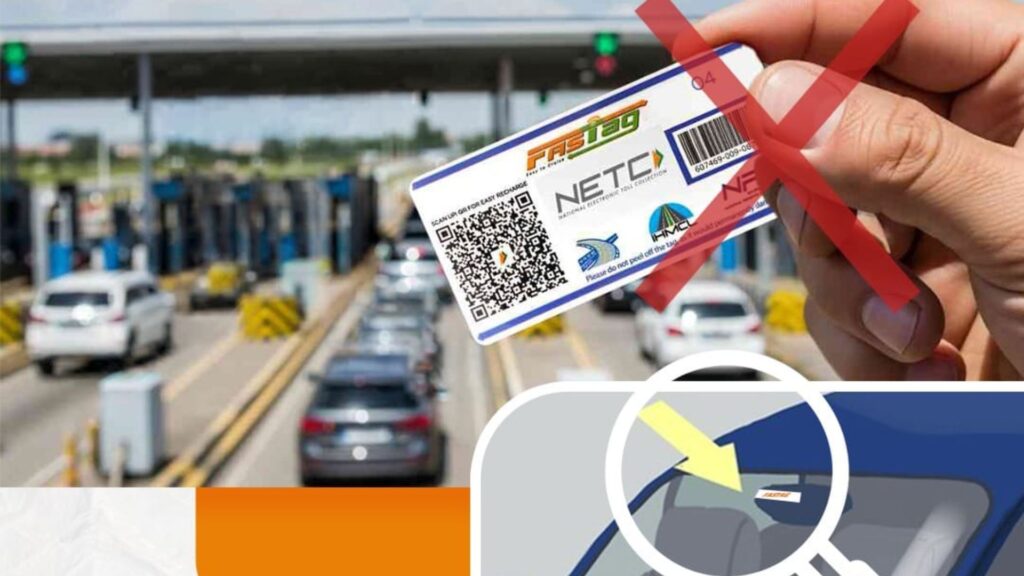
No FASTag On Windscreen? NHAI Warns Of Blacklisting For Violations
Authority tightens toll rules, urges proper FASTag placement to ensure smooth travel and prevent fraud
The National Highways Authority of India (NHAI) has issued a clear warning to motorists: FASTag must be properly fixed on the vehicle’s windscreen, failing which the tag could be blacklisted. The advisory comes as authorities push for smoother toll operations and stricter compliance with electronic toll collection norms.

FASTag, which uses Radio Frequency Identification (RFID) technology, enables automatic deduction of toll charges without stopping at plazas. However, NHAI has observed that some users are not sticking the FASTag on the windscreen and instead holding it in hand while crossing toll booths.
Officials say this practice disrupts seamless scanning and leads to unnecessary delays. When the tag is not properly affixed, RFID readers may fail to detect it quickly, causing congestion and slowing down traffic flow at toll plazas.

NHAI has emphasised that fixing the FASTag on the windscreen ensures hassle-free movement through toll gates. It also reduces the chances of misuse, as handheld tags can potentially be used across multiple vehicles, increasing the risk of fraudulent activities.
With India moving towards more advanced and barrier-free tolling systems on highways, authorities are now focusing on stricter enforcement of existing rules. Proper FASTag placement is being seen as essential for maintaining efficiency and transparency in toll collection.
Alongside this, NHAI has also alerted users about a rise in online scams related to FASTag services. Fake websites are reportedly offering annual pass facilities and mimicking official platforms to trick users.
Motorists have been advised to use only official platforms like the Rajmargyatra app for FASTag-related services. Authorities have also cautioned against clicking on unfamiliar or sponsored links while searching online, and stressed the importance of verifying website URLs before entering any personal or payment details.
Users are further warned never to share sensitive information such as OTPs, card details, or login credentials. Any suspicious website or unusual permission request should be treated as a red flag and exited immediately.
The advisory highlights a dual focus ensuring smoother highway travel while protecting users from digital fraud as India’s highway infrastructure continues to modernise.