Where Does India Store Its Gold: Does RBI Keep Large Gold Reserves In India Or Abroad?
Where Does India Store Its Gold: Does RBI Keep Large Gold Reserves In India Or Abroad?
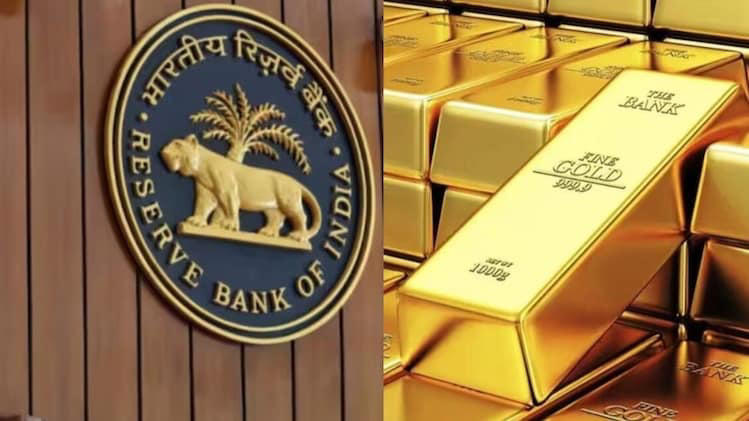
India’s gold reserves are stored both inside the country and in foreign vaults, with a significant portion held at the Bank of England in London. The Reserve Bank of India has steadily increased gold purchases in recent years to strengthen the country’s financial security.
Gold reserves are considered one of the strongest symbols of a country’s economic stability and financial strength. This is why central banks across the world maintain large quantities of gold as part of their reserve assets.

India too has been steadily increasing its gold reserves through the Reserve Bank of India (RBI). Over the last few years, the RBI has significantly expanded its gold holdings as part of its strategy to strengthen foreign exchange reserves and safeguard the economy during global uncertainties.
A major question often asked is where such a huge quantity of gold is actually stored.

Inside India, the RBI stores gold in highly secured vaults located at the Reserve Bank Building on Mint Road in Mumbai and at facilities in Nagpur. The gold is generally kept in the form of bars and bricks under strict security arrangements.
However, India does not keep all of its gold within the country. A substantial portion of the reserves is stored abroad, mainly at the Bank of England in London. Some gold is also reportedly held with the Bank for International Settlements in Switzerland.
Reports suggest that more than 410 tonnes of India’s gold reserves are stored in foreign vaults, while around 296 tonnes are kept domestically. The Bank of England is believed to hold the largest share of India’s overseas gold reserves.
Experts say there are several reasons behind storing gold abroad. One major factor is convenience during international financial transactions. Gold kept in foreign vaults can be quickly used as collateral or mortgaged during economic emergencies or liquidity crises.
Transporting large quantities of gold to India is also an expensive and highly complex process involving specialised logistics, security and insurance arrangements. A standard gold bar weighs around 12.5 kilograms, making large-scale transportation difficult and costly.

The RBI’s annual reports have repeatedly highlighted that maintaining part of the reserves abroad improves operational flexibility and supports global financial dealings.
India has also emerged as one of the world’s major gold-buying central banks in recent years.
Gold reserves play an important role in boosting investor confidence, supporting currency stability and acting as a safeguard during financial crises. As geopolitical and economic risks continue globally, central banks including the RBI are increasingly turning to gold as a reliable reserve asset.
Disclaimer: Gold reserve figures and storage locations are based on publicly available RBI data and reports.