Lohagad Fort: Why Maharashtra’s ‘Iron Fort’ Still Fascinates Travellers
Lohagad Fort: Why Maharashtra’s ‘Iron Fort’ Still Fascinates Travellers
Located near Lonavala, Lohagad Fort is one of Maharashtra’s most popular trekking destinations, known for its strong fortifications, rich Maratha history and breathtaking Sahyadri views.
Nestled in the Sahyadri ranges near Lonavala, Lohagad Fort continues to attract history lovers, trekkers and tourists with its imposing structure, scenic beauty and deep connection to Maharashtra’s past.

The historic hill fort stands at an altitude of nearly 1,033 metres and is famous for its massive stone walls, winding pathways and panoramic views of the surrounding valleys and Pawana Lake.
The name “Lohagad” comes from two Marathi words — ‘Loha’ meaning iron and ‘Gad’ meaning fort — giving it the title of the “Iron Fort.” The fort earned this name because of its exceptionally strong and secure structure, which made it difficult for enemies to capture.

Historical records mention that the fort is situated on a hill once known as ‘Gopagiri’ or ‘Gop’. From the top, visitors can witness sweeping views of the Sahyadri mountain ranges and nearby landscapes.
Lohagad Fort, nestled in the scenic hills of Maharashtra, India 🇮🇳, is a historic marvel that has stood the test of time for over two millennia. Situated close to the hill station Lonavala and 52km northwest of Pune, Lohagad rises to an elevation of 1033m above sea level. The… pic.twitter.com/6bRCAPgHOn
— ArchaeoHistories (@histories_arch) April 2, 2025
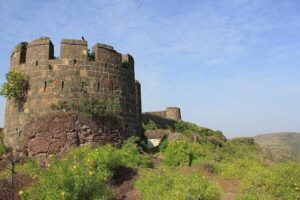
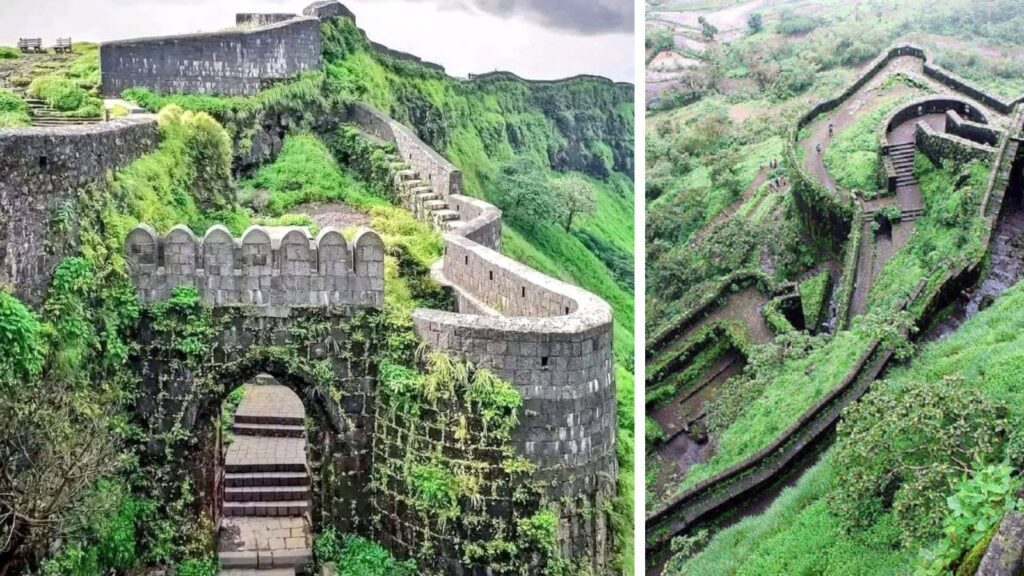
Lohagad Fort is especially known for its impenetrable fortifications and the serpentine design of its four grand gates, built in a way that strengthened security and defence. The fort’s strategic location once helped rulers monitor important trade routes and protect valuable treasures.
Over the centuries, Lohagad came under the rule of several dynasties and empires, including the Satavahanas, Chalukyas, Rashtrakutas, Yadavas, Bahamanis, Mughals, Adilshahi rulers and the Marathas.
History meets adventure at 1,033 meters! 🚩
— Maharashtra Tourism (@maha_tourism) April 20, 2026
Lohagad Fort is the perfect one-day escape from Mumbai/Pune. Between the ancient gates and the legendary Vinchu Kata, the views are unmatched.
📍 Lonavala, Maharashtra
Easy-Moderate Trek#Lohagad #Trekking #Maharashtra #TravelIndia pic.twitter.com/iXihdpWw3l
In 1675, Chhatrapati Shivaji Maharaj conquered the fort and incorporated it into the Maratha Empire. The fort later became an important military and strategic point due to its location and natural protection offered by the surrounding hills.
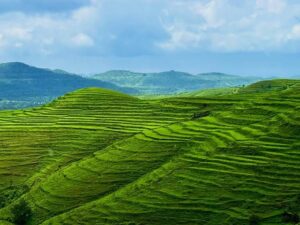
Today, Lohagad is considered one of the most visited monsoon and weekend trekking spots near Pune and Mumbai. During the rainy season, the fort turns lush green, with mist-covered pathways and waterfalls adding to its charm.
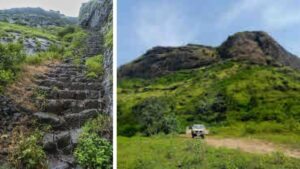
The trek to the fort is regarded as beginner-friendly, making it popular among families, solo travellers and first-time trekkers. The site is also known for its unique “Vinchu Kata” or scorpion-tail-shaped fortification, which offers stunning aerial views of the valley.
With a blend of history, architecture and natural beauty, Lohagad Fort remains one of Maharashtra’s most iconic heritage destinations for travellers seeking both adventure and a glimpse into the region’s glorious past.