Fake Customer Care Numbers Online Can Empty Your Bank Account: How To Stay Safe
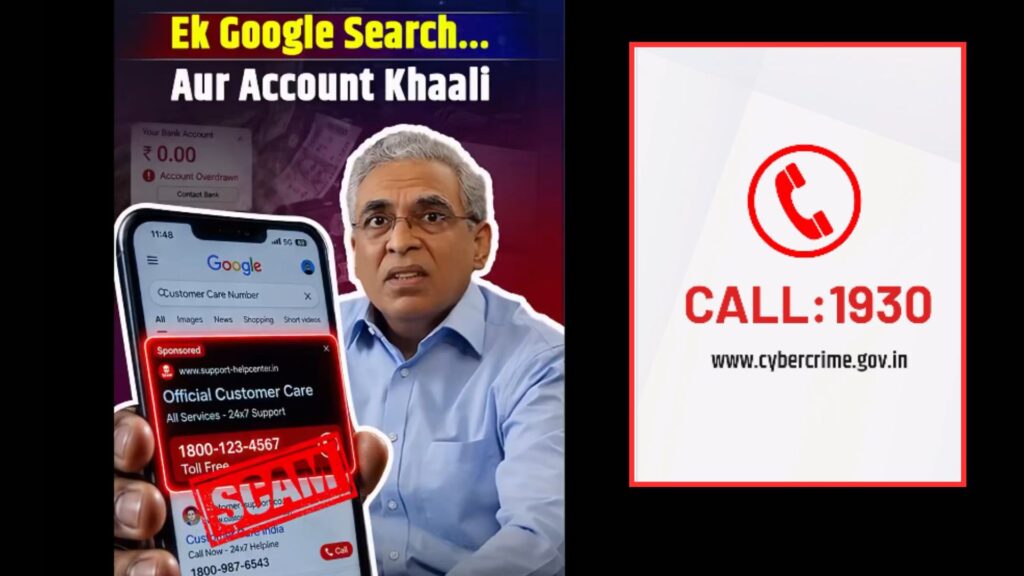
Fake Customer Care Numbers Online Can Empty Your Bank Account: How To Stay Safe
Cyber criminals are increasingly using fake customer care numbers, fraudulent websites and malicious apps to target unsuspecting users. A recent case highlights how a simple online search led to a loss of ₹12 lakh.
The internet has made everyday tasks easier, from booking services to tracking parcels. However, cyber criminals are finding new ways to exploit this convenience. One growing scam involves fake customer care numbers that appear in online search results and trick users into sharing sensitive information or installing harmful software.
A recent incident has highlighted the dangers of blindly trusting customer care numbers found online. According to the Indian Cyber Crime Coordination Centre (I4C), a retired Army officer from Chandigarh lost nearly ₹12 lakh after contacting a fake customer care number he found through an internet search.

The victim was looking to send a parcel and searched online for a courier company’s customer care number. After calling the number displayed in the search results, he was asked to pay a nominal amount for a home pickup service. Soon afterwards, he received an APK file through WhatsApp, supposedly for tracking the shipment.
Once the file was installed on his smartphone, fraudsters reportedly gained remote access to the device. Within a short period, money was withdrawn from his bank account, resulting in a loss of ₹12 lakh.
Cyber security experts warn that scammers often use search engine optimisation (SEO) techniques to push fake websites and fraudulent contact numbers higher in search results. Unsuspecting users may assume these numbers are genuine and end up sharing personal information or downloading malicious applications.
How To Protect Yourself
Experts advise users to exercise caution before contacting customer care numbers found through search engines.
Important safety tips include:
- Verify customer care numbers only through a company’s official website or verified mobile application.
- Do not trust phone numbers that appear in sponsored advertisements or unknown websites without verification.
- Never download or install APK files received through WhatsApp, SMS, email or other messaging platforms.
- Avoid granting remote access permissions to unknown applications.
- Be cautious when asked to make small payments as part of a verification or service process.
- Regularly update your smartphone’s security settings and banking applications.
If you suspect that you have fallen victim to a cyber fraud, report the incident immediately. Victims can file a complaint through the National Cyber Crime Reporting Portal at cybercrime.gov.in or call the national cybercrime helpline 1930.
Authorities say quick reporting can improve the chances of preventing further financial loss and may help investigators trace the fraudsters.
As digital transactions continue to grow, experts stress that awareness remains the strongest defence against cyber scams. Taking a few extra moments to verify information can help users avoid potentially devastating financial losses.
Disclaimer: Cyber fraud methods continue to evolve. Readers should always verify information through official channels and follow cybersecurity best practices while making online transactions.