Plastic Currency Notes Soon? RBI Revives Plan To Introduce Polymer Banknotes In India
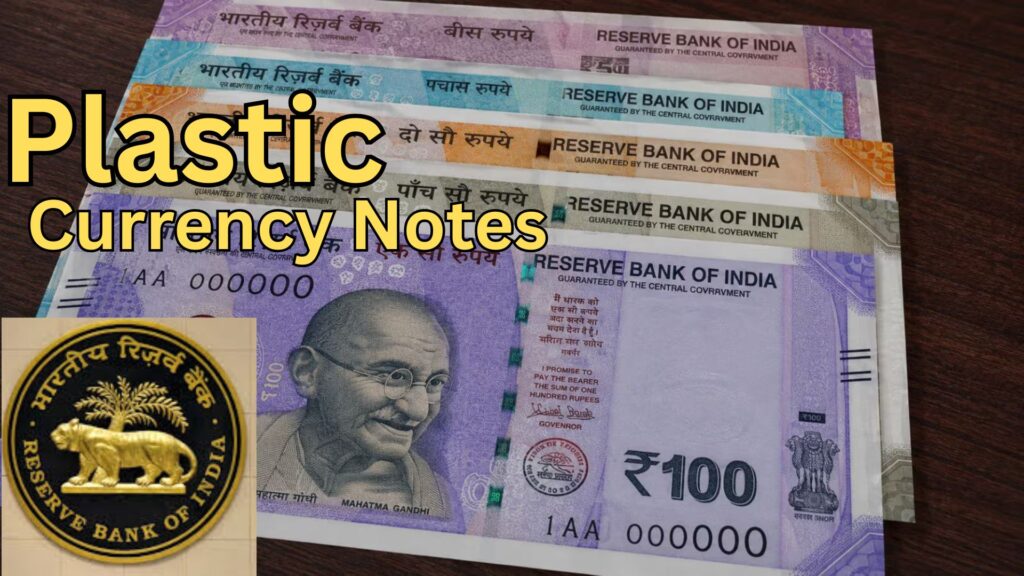
Plastic Currency Notes Soon? RBI Revives Plan To Introduce Polymer Banknotes In India
The Reserve Bank of India is considering a pilot project for polymer currency notes, citing longer durability, lower replacement costs and growing cash demand despite the rise of digital payments.
India may soon witness a major change in its currency system, with the Reserve Bank of India (RBI) reviving its long-pending proposal to introduce polymer or plastic banknotes. The move is being considered as the central bank looks for ways to reduce printing costs, improve the lifespan of currency notes and manage the growing demand for cash across the country.
According to reports, the proposal was discussed during recent RBI board meetings held in Patna and Mumbai. Sources indicate that a pilot project involving polymer banknotes could be announced in the near future.
Unlike traditional paper notes, polymer banknotes are made from a special plastic material that is more durable, moisture-resistant and less prone to wear and tear. These characteristics are considered particularly useful in India, where currency notes often circulate heavily and are exposed to varied climatic conditions.

One of the key reasons behind the renewed push is the rising cost of printing and replacing damaged notes. RBI data shows that expenditure on printing currency notes reached ₹6,372.8 crore in FY25, compared to ₹5,101.4 crore in the previous year. Although printing costs declined to ₹4,875 crore in FY26, the overall burden of replacing soiled and damaged notes remains significant.
The problem is especially visible in high-circulation denominations. During FY26, ₹500 notes and ₹100 notes accounted for the largest number of notes withdrawn from circulation, highlighting the constant replacement cycle faced by the banking system.
Another factor driving the proposal is the continued increase in cash usage. Despite the rapid growth of digital payment platforms such as UPI, currency in circulation touched a record ₹42.86 trillion as of May 15, reflecting sustained demand for physical cash.
Polymer notes are already widely used around the world. Countries such as Australia, Canada, the United Kingdom, Singapore, Malaysia, Indonesia and Thailand have adopted polymer currency due to its longer lifespan and enhanced security features. More than 60 countries currently use polymer banknotes either fully or partially.
India had earlier attempted to introduce polymer notes in 2012, when the government approved a field trial involving one billion ₹10 notes in selected cities. However, the project was eventually shelved because of technological and operational challenges.
Officials now believe those challenges have largely been resolved. Advances in technology are expected to allow ATMs and cash-handling systems to identify and process polymer notes efficiently, removing one of the major hurdles that existed a decade ago.
Experts say polymer notes may cost more to produce initially, but their longer lifespan could significantly reduce replacement expenses over time. The shift could also help improve the quality and cleanliness of notes in circulation while lowering the overall maintenance burden on the currency management system.
If approved, the pilot project would mark the first major step towards a possible transition to polymer currency in India, potentially ushering in a new era for the country’s banknotes.