India Launches E85 Fuel In Major Push For Flex-Fuel Vehicles; Pune Among First Cities
India Launches E85 Fuel In Major Push For Flex-Fuel Vehicles; Pune Among First Cities
The government has launched E85 fuel across select cities as part of its strategy to reduce crude oil imports, boost ethanol use and support cleaner transportation.
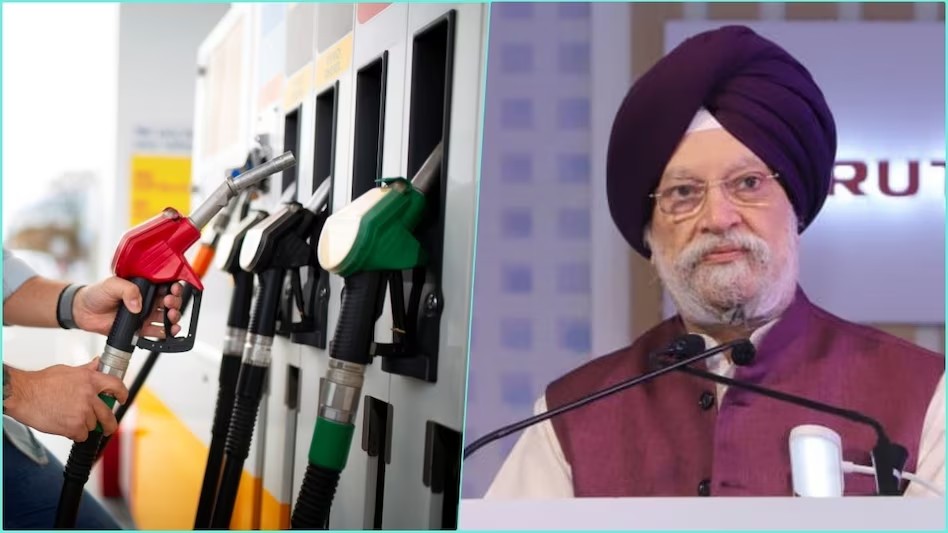
India has officially launched E85 fuel, a high-ethanol blended petrol designed for flex-fuel vehicles, marking a significant step in the country’s transition towards alternative and cleaner fuels. The launch took place on World Environment Day 2026, with Union Petroleum and Natural Gas Minister Hardeep Singh Puri unveiling the fuel at a retail outlet in New Delhi.
The first phase of the rollout covers 48 public sector fuel stations across cities including Delhi-NCR, Mumbai, Pune and Nagpur. Oil marketing companies plan to expand the network to around 500 outlets by December 2026 and nearly 5,000 outlets by December 2027.

E85 fuel contains 80-85 per cent ethanol and 14-19 per cent petrol and is specifically designed for flex-fuel vehicles, which can operate on ethanol blends ranging from E20 to E100. Officials clarified that E85 is meant only for specially designed flex-fuel vehicles and should not be used in regular petrol vehicles.

The rollout comes as India intensifies efforts to reduce dependence on imported crude oil. The country currently imports nearly 90 per cent of its oil requirements, making it vulnerable to global supply disruptions and price fluctuations. The government sees ethanol blending as a key strategy to improve energy security while reducing emissions.
Speaking at the launch, Puri highlighted the rapid growth of ethanol blending in India. Ethanol blending has increased from 1.53 per cent in 2014 to 20 per cent today, with the national target achieved five years ahead of schedule. According to the government, this has helped save more than ₹1.84 lakh crore in foreign exchange and reduced crude oil imports by nearly 302 lakh metric tonnes.
The minister also stressed the benefits for farmers, saying the ethanol programme has transformed them from “Annadatas” to “Urjadatas” by creating a new source of income through ethanol production.
The government estimates that if 50 per cent of new two-wheelers and four-wheelers shift to flex-fuel technology, demand for more than 312 crore litres of ethanol could be generated annually. Such a transition could result in nearly ₹12,403 crore flowing directly to farmers, foreign exchange savings of about ₹15,151 crore, and a reduction of 66.4 lakh metric tonnes of carbon dioxide emissions every year.
Officials also pointed out that there has been no reported case of engine failure or vehicle breakdown linked to ethanol blending since E20 fuel became the standard across India. They added that E20-compatible vehicles often deliver improved acceleration and better ride quality, particularly in urban driving conditions.
With the launch of E85 fuel, India is now moving from pilot projects to a structured national flex-fuel ecosystem, aiming to raise overall ethanol blending levels to nearly 26 per cent by 2030-31.
Disclaimer: This article is for informational purposes only. Vehicle owners should use only the fuel recommended by their vehicle manufacturer.