Reasons To Visit Maratha hill station Mahabaleshwar : Things to Do, Places to Visit & More
Reasons To Visit Maratha hill station Mahabaleshwar : Things to Do, Places to Visit & More
A misty Maratha hill station where history, strawberries, and breathtaking viewpoints meet
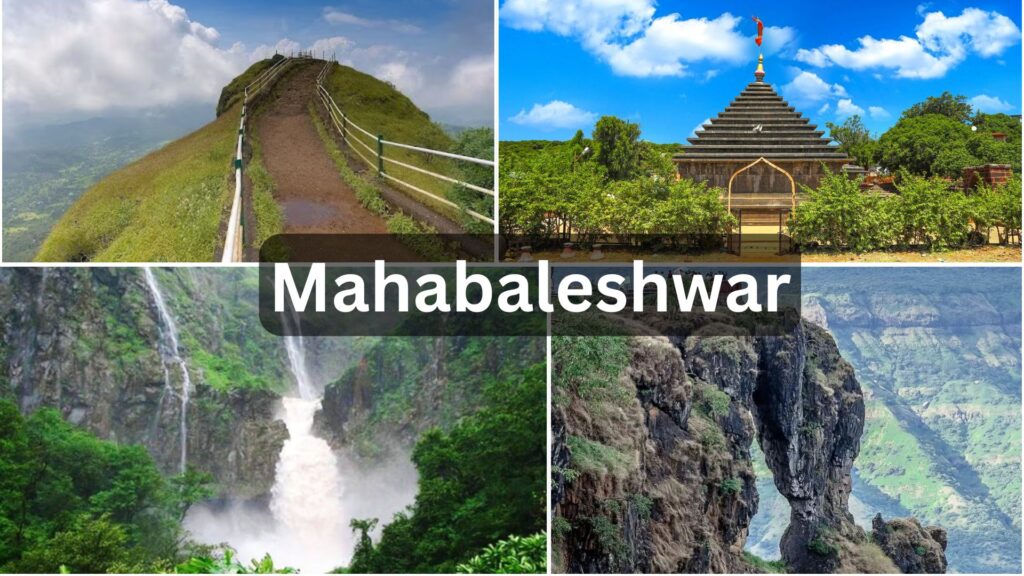
Tucked away in the Sahyadri ranges, Mahabaleshwar has earned its reputation as Maharashtra’s most loved hill station for good reason. Cool weather, sweeping valley views, and red-soil farms that produce close to 85 percent of India’s strawberries all come together here. Add centuries of Maratha and colonial history into the mix, and this small hill town turns out to have far more depth than its postcard views suggest.
Getting to Know the Town
Often called the Queen of Hill Stations, Mahabaleshwar lies cradled between five hills of the Sahyadri range at an elevation of around 1,372 metres, within Maharashtra’s Satara district. Locals divide the town into three informal zones, Malcolm Peth, Old Mahabaleshwar, and the stretch near Shindola village. Its biggest draw for travellers is location: close enough to both Mumbai and Pune for an easy weekend escape, yet elevated and cool enough to feel like a different world entirely.
Faith, Conquest, and a Colonial Hill Station
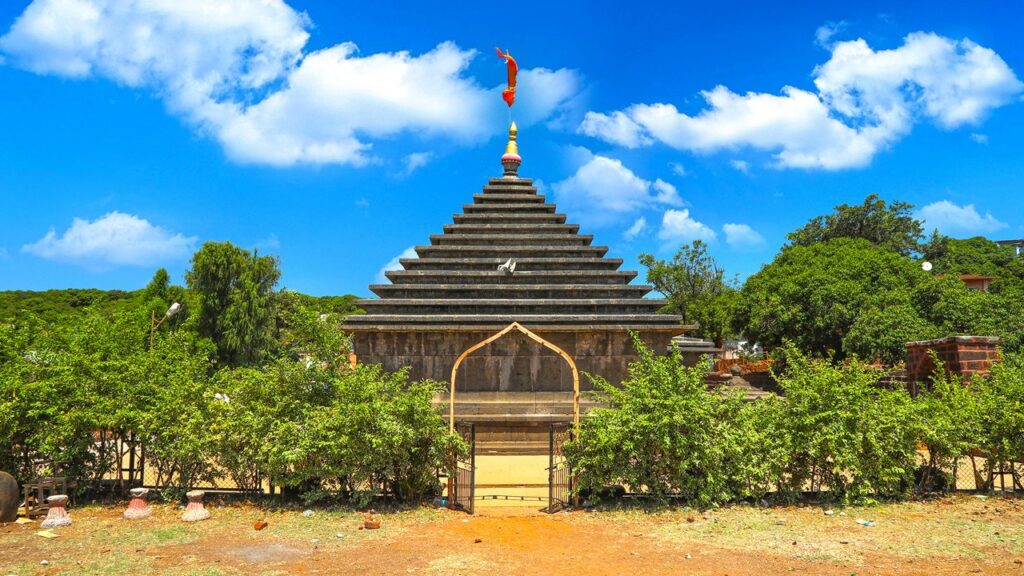
The town’s name traces back to Sanskrit, combining Maha for great, Bal for power, and Ishwar for God, a direct reference to Lord Shiva. Long before any colonial map marked this place, a Yadava ruler is said to have built a temple and water tank at the Krishna River’s source here in the 13th century. The region then passed into the hands of the More clan, until 1656, when Chhatrapati Shivaji Maharaj’s forces defeated ruler Chandrarao More and absorbed the territory into the growing Maratha kingdom.

The British arrived later, with Sir Charles Malet recorded as the first known Briton to set foot in the area. It was Sir John Malcolm, then Governor of Bombay, who is credited with founding Mahabaleshwar as a hill station after constructing a sanatorium here, eventually turning it into the official summer capital of the Bombay Presidency.
Not far from town stands Pratapgad Fort, also built under Shivaji in 1656, and the setting for one of the defining episodes of Maratha history. On 10 November 1659, Shivaji agreed to a truce meeting here with Bijapur general Afzal Khan. Khan tried to stab him during the encounter, but Shivaji, who had worn armour beneath his clothing as a precaution, struck first and killed him. Maratha soldiers hidden nearby then ambushed the disoriented Adilshahi army, delivering what is considered the first major military win of the emerging Maratha Empire.
Things to Do in Mahabaleshwar
With more than thirty viewpoints scattered across the region, many named after the British officers who once surveyed them, point-hopping is practically a default activity here, each stop offering its own angle on the Sahyadri range.
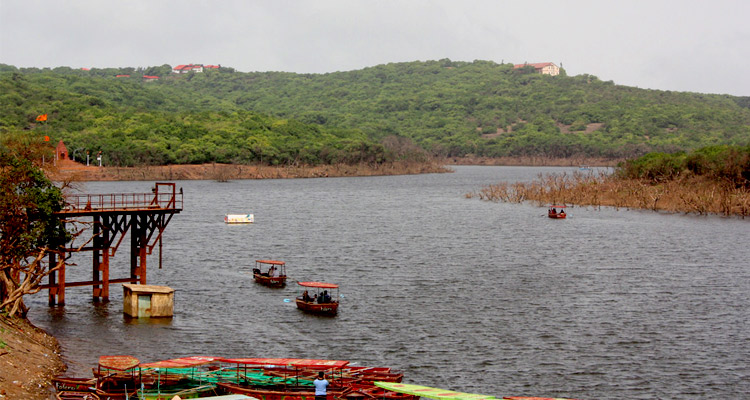
At Venna Lake, boating is the go-to way to unwind, particularly in the early morning or late evening when the water is calm and the surrounding valley is filled with birdsong rather than crowds.
For those wanting to move a little more, trekking is the region’s signature outdoor activity. The trails here are forgiving rather than punishing, winding through dense foliage and pleasant weather that make for an enjoyable hike without demanding serious fitness.
Rainy days or simply curious travellers can head to the Wax Museum, home to more than thirty lifelike statues of notable figures from India and abroad.
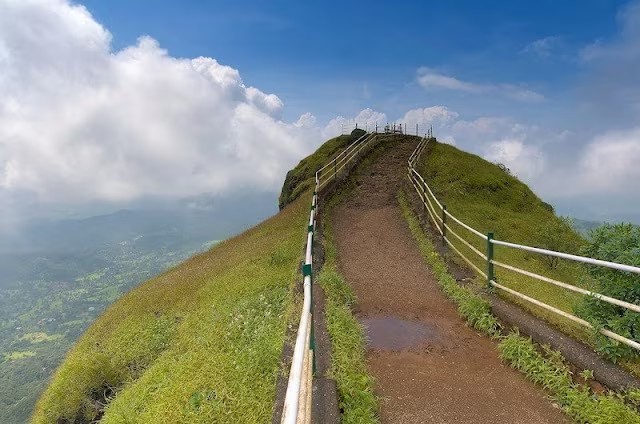
Where to Go: Mahabaleshwar’s Must-Visit Spots
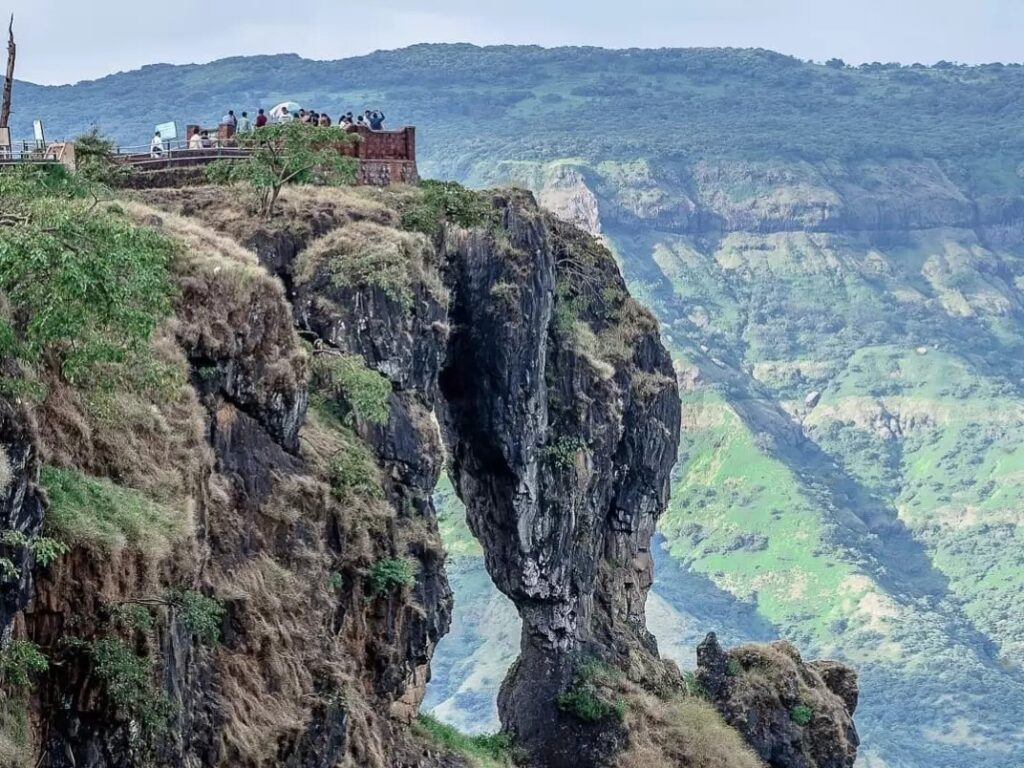
A granite outcrop shaped uncannily like an elephant’s head, Elephant Point sits at roughly 4,500 feet and remains one of the most photographed locations in the area, thanks to its uninterrupted Sahyadri views.
Pratapgad Fort, beyond its historical weight, is worth visiting simply for its compact bastions and the orange flag that still flies above it, marking the site where Shivaji’s encounter with Afzal Khan changed the course of regional history.
Spanning about 28 acres, Venna Lake doubles as both a boating spot and a peaceful place to watch the sun go down over the water.
Technically located in neighbouring Panchgani, Mapro Garden is a magnet for families, built around a strawberry-themed café, a small play area, and an in-house jam and chocolate-making setup.
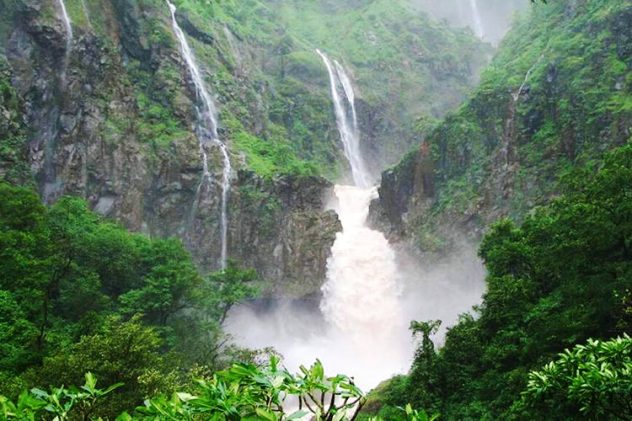
Three waterfalls stand out from the rest. Lingmala Waterfall sits near the Lingmala forest bungalow and carries a particularly calm, unhurried feel. Dhobi Waterfall is the quieter, lesser-known of the three, hidden inside a valley before its waters eventually join the Koyna River. Chinaman’s Falls, formed where two converging streams meet at the head of the Venna valley, gets its name from the Chinese convicts who once tended the gardens here under British rule.
Known also as Suicide Point, Arthur’s Seat overlooks the Brahma-Narayana valley and the Savitri River, and borrows its name from the volcanic hill of the same name in Edinburgh, Scotland.
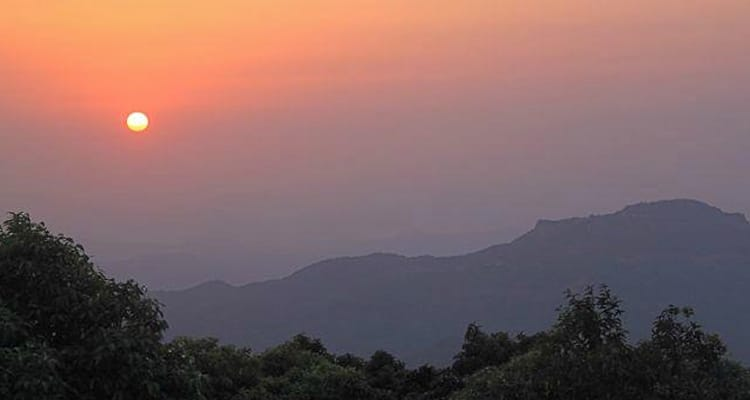
For an end-of-day view, Sunset Point, also called Bombay Point, delivers one of the most talked-about dusk vistas in the region.
At the centre of it all sits the Lord Mahabaleshwar Temple, home to a 500-year-old self-formed Shiva lingam. Local legend holds that Maratha king Shivaji once had his mother Jijabai weighed in gold here, donating the equivalent wealth to charity.
Finally, Parsi Point offers a wide, breezy view over the Krishna Valley and the backwaters of the Dhom Dam, a spot best enjoyed simply for its calm rather than any particular landmark.
Choosing the Right Season
Winter, spanning November to February, is widely regarded as the ideal window to visit, with temperatures between 10 and 32 degrees Celsius and clear skies suited to long days outdoors. Summer, from March to June, runs only moderately warm at 15 to 35 degrees Celsius, still offering welcome relief from the heat elsewhere in Maharashtra. Then comes the monsoon, July through October, when the hills turn a deep, saturated green, perfect for travellers who do not mind a little rain in exchange for dramatic, mist-covered views.
Planning the Journey
Mahabaleshwar connects easily to both Mumbai and Pune via well-maintained state highways. The drive from Pune covers about 120 kilometres and usually takes close to three hours, making it a comfortable weekend trip for the city’s residents. From Mumbai, the distance stretches to roughly 260 kilometres, generally a five to six hour drive depending on traffic through the Western Ghats. Satara, around 45 kilometres away, is the nearest railway station, while Pune’s airport remains the most convenient air link for travellers arriving from further afield.