Beyond Gajar Ka Halwa: 13 Traditional Indian Mithais Made from Vegetables
Beyond Gajar Ka Halwa: 13 Traditional Indian Mithais Made from Vegetables
While vegetables are most often used in savoury dishes, they have long held a special place in India’s traditional desserts. Across the country, ingredients such as carrots, bottle gourd, pumpkin, beetroot, cucumber, onions, garlic and even raw papaya are transformed into rich mithais that are closely linked to regional cuisines, festivals and family celebrations.
Here are some of India’s most unique vegetable-based sweets and the regions where they are most popular.
1. Parwal Mithai – Bihar and Uttar Pradesh
A festive delicacy from Bihar, also popular in Uttar Pradesh, Parwal Mithai is made by peeling and cooking pointed gourd (parwal) in sugar syrup before stuffing it with a mixture of khoya, pistachios, almonds and cardamom. It is commonly served at weddings and festive gatherings.

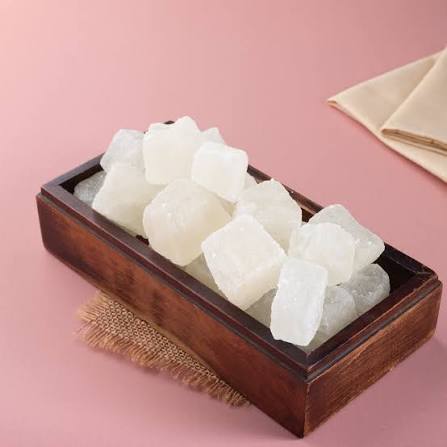
2. Petha – Agra, Uttar Pradesh
One of Agra’s most famous sweets, Petha is prepared using ash gourd (winter melon). The vegetable is processed and cooked in sugar syrup to create soft, translucent cubes. Popular varieties include kesar, paan, chocolate and angoori petha.
3. Lauki Ka Halwa – North India
A popular homemade dessert across Uttar Pradesh, Delhi, Punjab and Haryana, Lauki Ka Halwa is made by slow-cooking grated bottle gourd with milk, ghee, sugar and cardamom until it reaches a creamy consistency. It is often prepared during festivals and fasting periods.
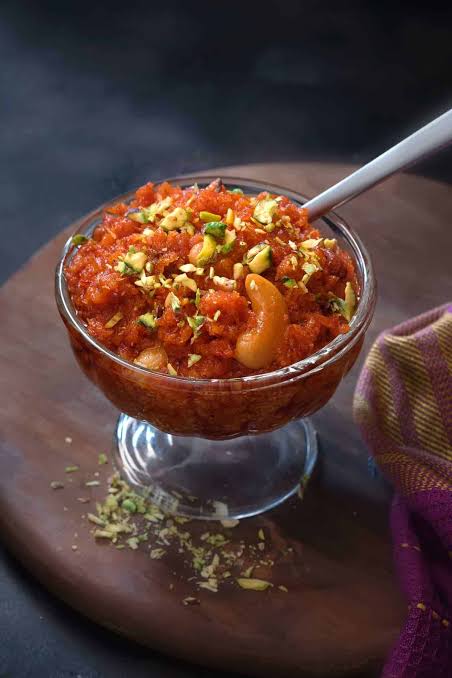
4. Gajar Ka Halwa – Punjab
Originally associated with Punjab, Gajar Ka Halwa has become one of India’s best-loved winter desserts. Fresh red carrots are cooked with milk, ghee and sugar and garnished with dry fruits before serving.
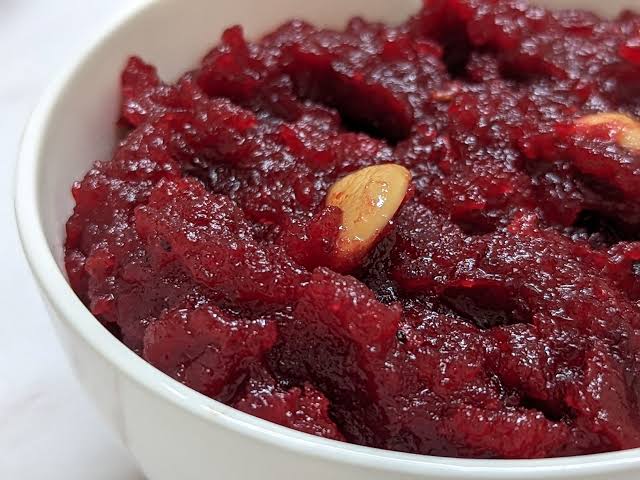
5. Beetroot Halwa – Karnataka, Maharashtra and North India
Known for its vibrant colour and natural sweetness, Beetroot Halwa is prepared using grated beetroot, milk, sugar, ghee and nuts. It is popular in Karnataka, Maharashtra and several northern states.
6. Mooli Ka Halwa – Rajasthan
A lesser-known traditional dessert, Mooli Ka Halwa is made by slow-cooking grated radish with milk, sugar and ghee. The cooking process softens the vegetable’s strong flavour, resulting in a rich and unique sweet.
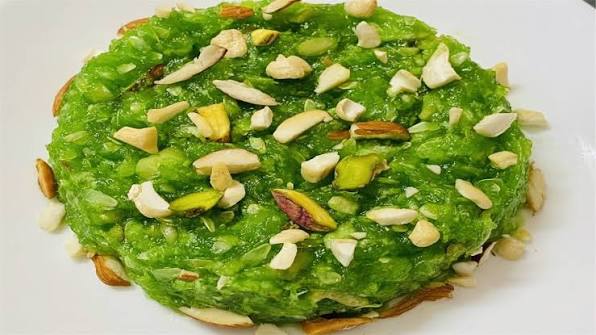
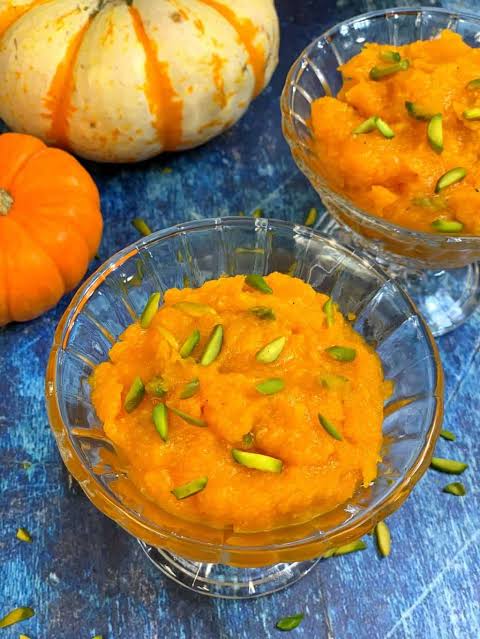
7. Kaddu Ka Halwa – Uttar Pradesh, Rajasthan and Gujarat
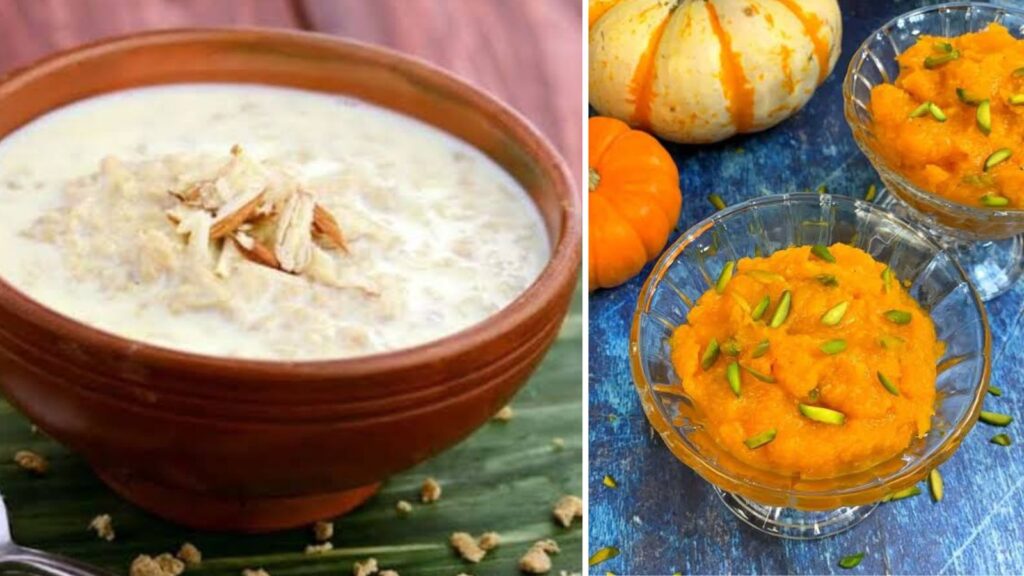
Pumpkin Halwa, also called Kaddu Ka Halwa, is a festive favourite in several states. The natural sweetness of pumpkin gives the dessert its smooth texture and delicate flavour.
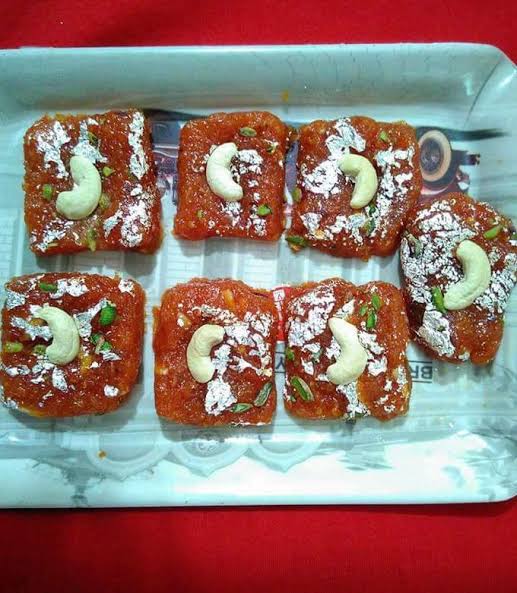
8. Tamatar Ki Barfi – Uttar Pradesh
Prepared using ripe tomatoes, khoya, sugar and ghee, Tamatar Ki Barfi offers a distinctive blend of sweet and tangy flavours. It is believed to have originated in Uttar Pradesh.
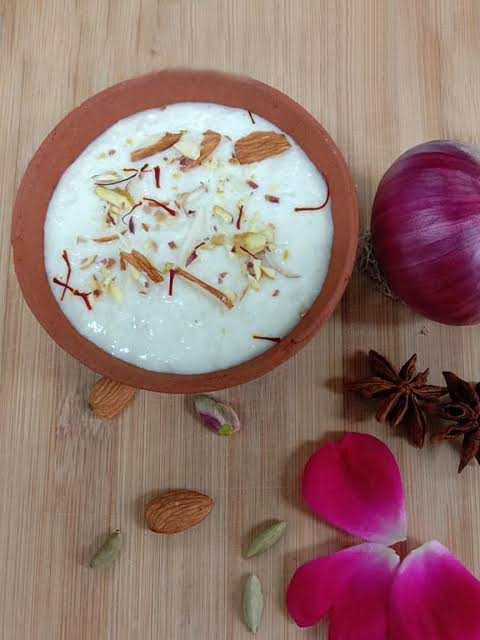
9. Pyaaz Ki Kheer – Rajasthan
Among Rajasthan’s most unusual traditional desserts, Pyaaz Ki Kheer is made by repeatedly boiling onions to remove their sharp taste before cooking them with milk, sugar, saffron and dry fruits. The result is a rich, creamy dessert with a surprisingly mild flavour.
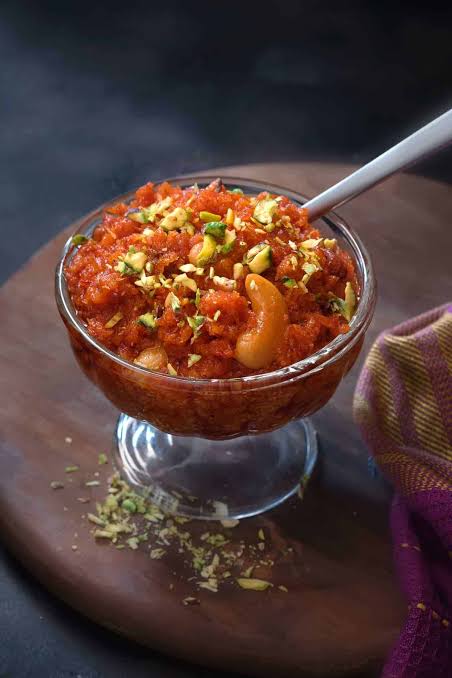
10. Lehsun Ki Kheer – Rajasthan
Another rare Rajasthani speciality, Lehsun Ki Kheer is prepared by boiling garlic cloves several times before simmering them with milk, sugar, cardamom and nuts. It is especially popular during winter.
11. Cucumber Halwa (Soutekai Halwa) – Karnataka
A traditional dessert from coastal Karnataka, this halwa is made using yellow cucumber, jaggery, coconut and ghee. It is commonly prepared during festivals and temple celebrations.
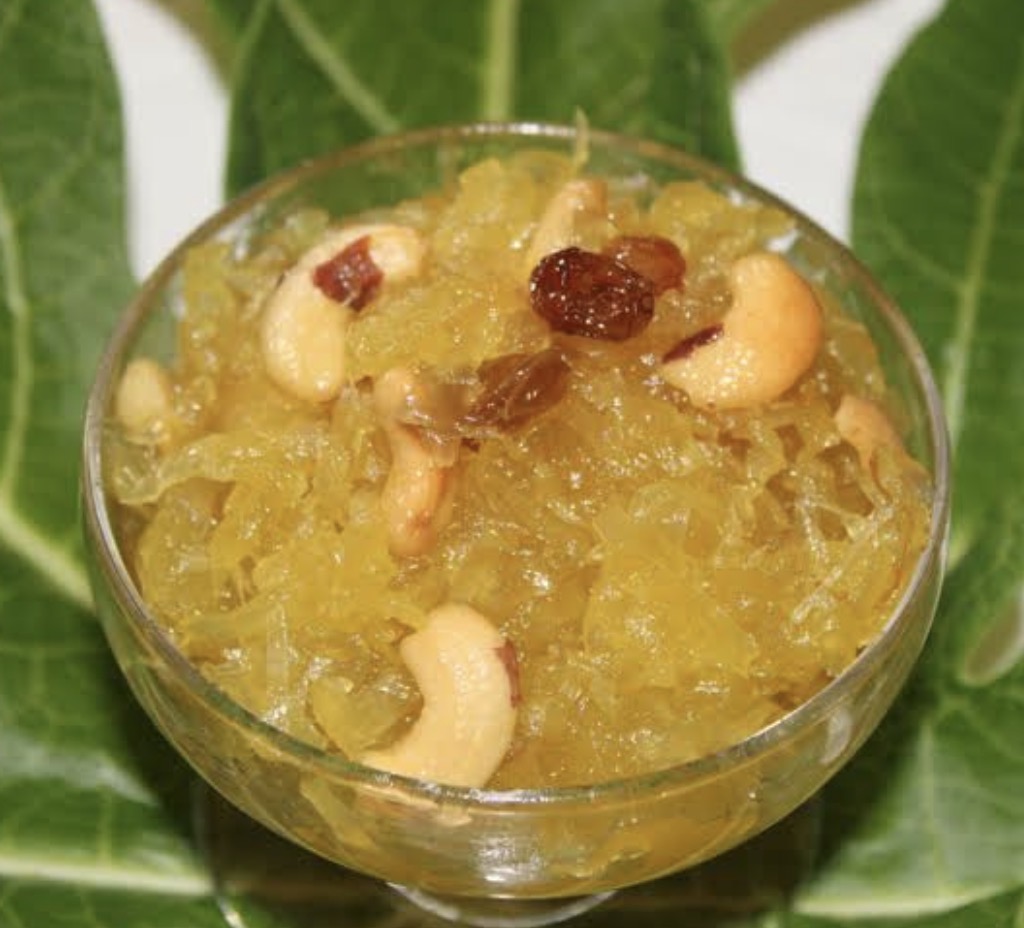
12. Sweet Potato Halwa (Shakarkandi Halwa) – North India
A favourite during fasting seasons, Sweet Potato Halwa is made by cooking boiled sweet potatoes with ghee, milk and sugar before garnishing with dry fruits.
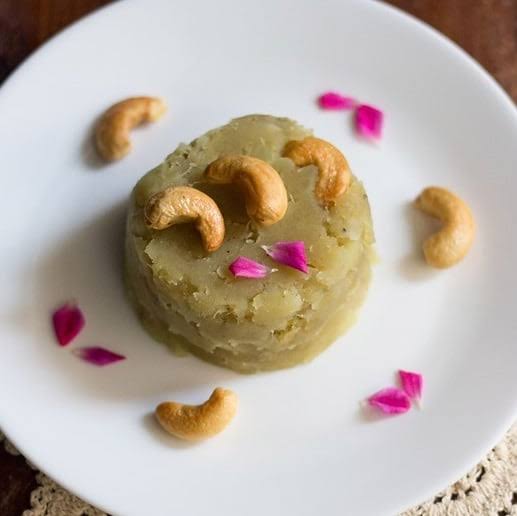
13. Raw Papaya Halwa – Gujarat and Rajasthan
This traditional dessert combines grated raw papaya with milk, sugar and ghee to create a soft, melt-in-the-mouth sweet that is both nutritious and flavourful.
India’s regional cuisines continue to showcase remarkable culinary creativity, turning everyday vegetables into delicious mithais that have been enjoyed for generations. These traditional desserts highlight the country’s rich food heritage and prove that vegetables can be just as delightful in sweets as they are in savoury dishes.