Did You Know? Maharashtra’s Largest District Isn’t Pune or Mumbai
Did You Know? Maharashtra's Largest District Isn't Pune or Mumbai
Maharashtra is home to 36 districts, each with its own unique history, culture, and geography. While Mumbai is known as the state’s financial capital, Pune is recognised as its educational hub, and Nagpur serves as the winter capital, Ahilyanagar has a distinction of its own. It is the largest district in Maharashtra by area, covering 17,048 square kilometres.
Formerly known as Ahmednagar, the district was officially renamed Ahilyanagar in 2024 to honour the legendary Maratha queen Ahilyabai Holkar, who is remembered for her visionary leadership, social reforms, and efforts to preserve India’s cultural heritage.
A Rich Historical Legacy
The history of Ahilyanagar dates back to 1490, when Ahmad Nizam Shah I founded the city of Ahmednagar and established the Ahmadnagar Sultanate. Over the centuries, the region came under the rule of the Nizam Shahis, Mughals, Marathas, and the British, each leaving behind a lasting cultural and architectural legacy.


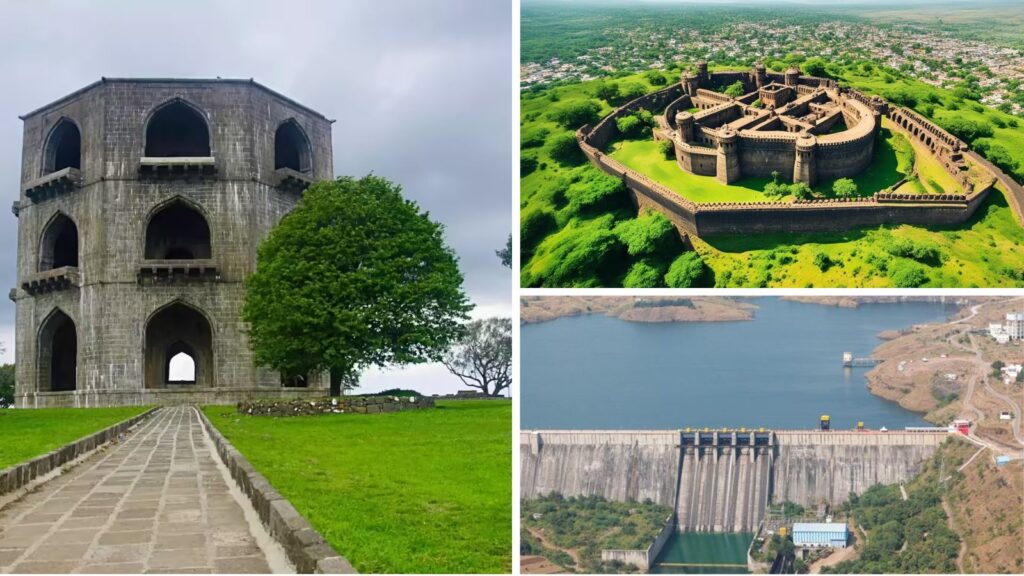
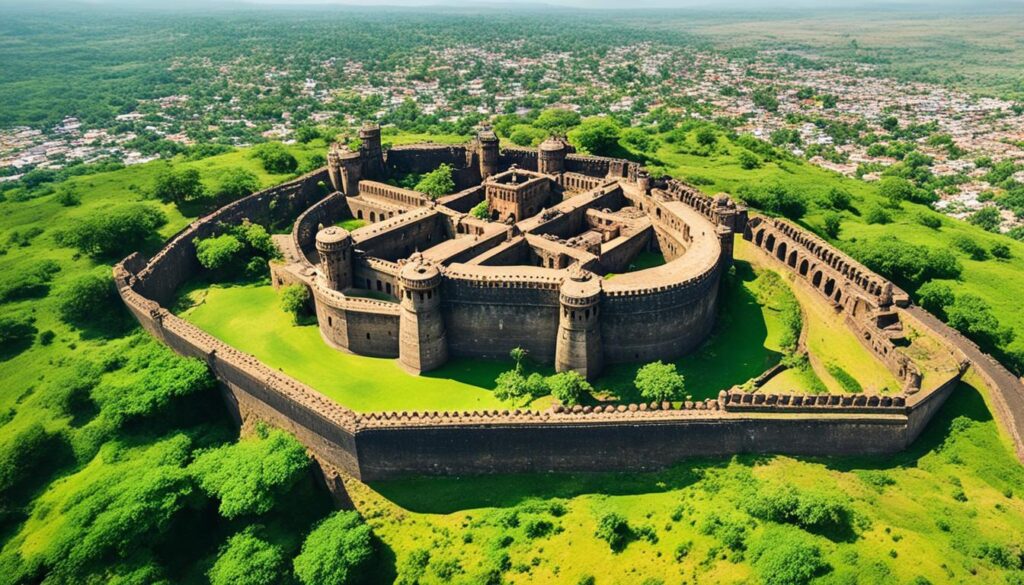
One of the district’s most prominent landmarks is the historic Ahmednagar Fort, regarded as one of India’s finest examples of medieval military architecture. The fort also played an important role during India’s freedom struggle, where leaders such as Mahatma Gandhi, Jawaharlal Nehru, Sardar Vallabhbhai Patel, and Maulana Abul Kalam Azad were imprisoned during the Quit India Movement. It was here that Nehru wrote much of his famous book, The Discovery of India.
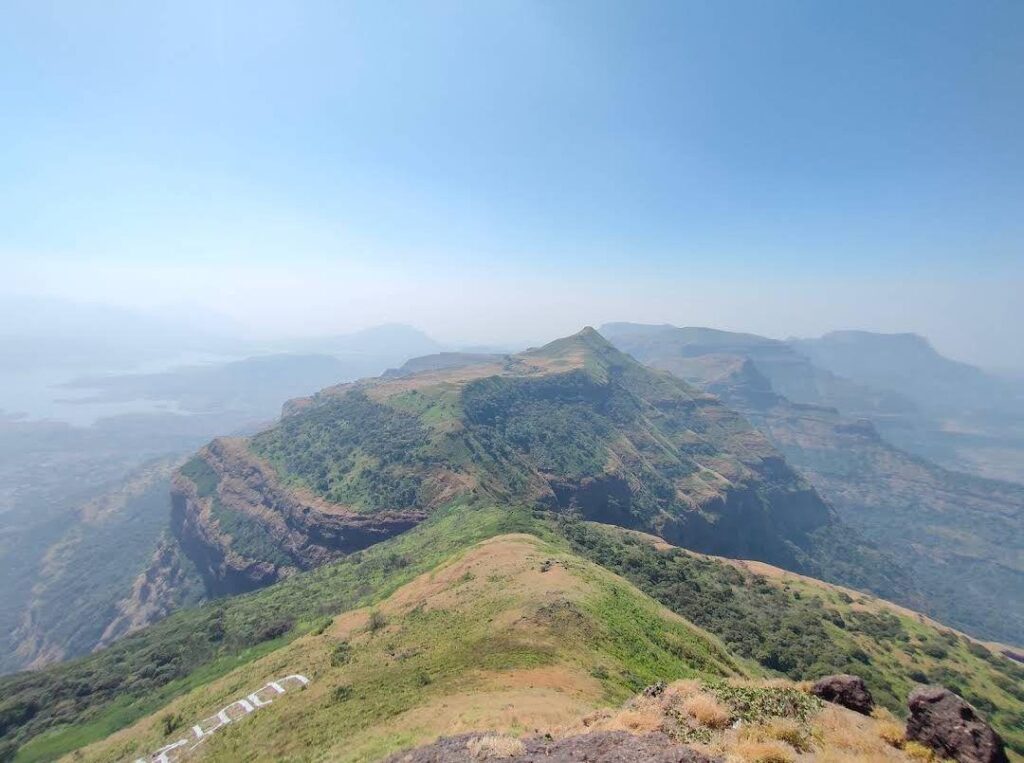
The district is also home to several historic forts, including Harishchandragad Fort, known for its ancient temples, caves, and the famous Konkan Kada cliff, and Ratangad Fort, believed to be more than 2,000 years old. Other forts such as Pemgiri, Avandha, and Bitangad further showcase the region’s historical importance.
Administrative and Economic Importance
Ahilyanagar is divided into 14 talukas: Ahilyanagar, Akole, Jamkhed, Karjat, Kopargaon, Nagar, Nevasa, Parner, Pathardi, Rahata, Rahuri, Sangamner, Shevgaon, and Shrigonda. Major towns including Shirdi, Sangamner, Kopargaon, and Rahuri serve as important centres for trade, education, healthcare, and administration.
Agriculture remains the backbone of the district’s economy. Farmers cultivate sugarcane, onions, wheat, bajra, cotton, and pulses, while dairy farming and sugar industries also contribute significantly to local livelihoods.
Pilgrimage and Tourism
Ahilyanagar is best known as the home of Shirdi, one of India’s most visited pilgrimage destinations, where millions of devotees visit the Shri Sai Baba Temple every year.
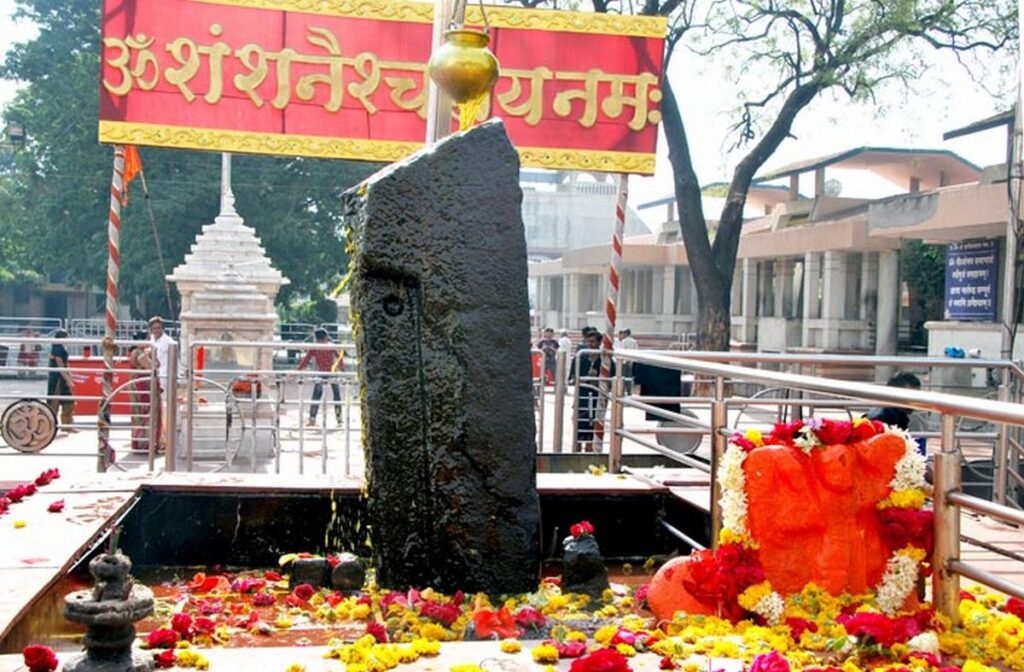
Another major spiritual destination is Shani Shingnapur, famous for its temple dedicated to Lord Shani and its long-standing tradition of homes without conventional doors.
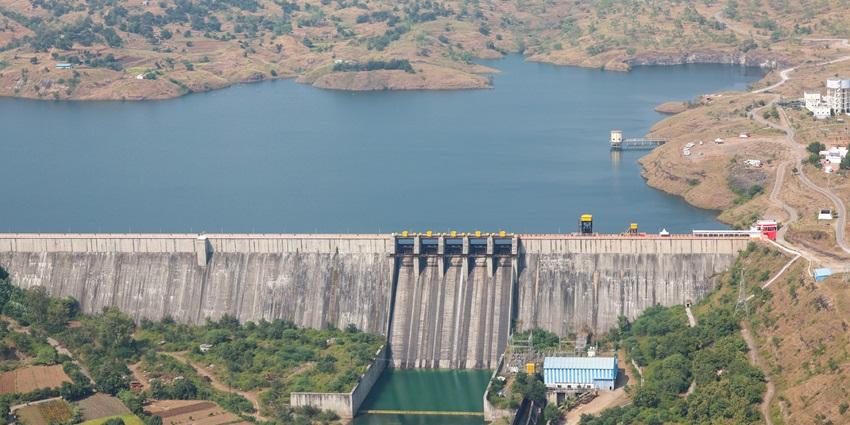
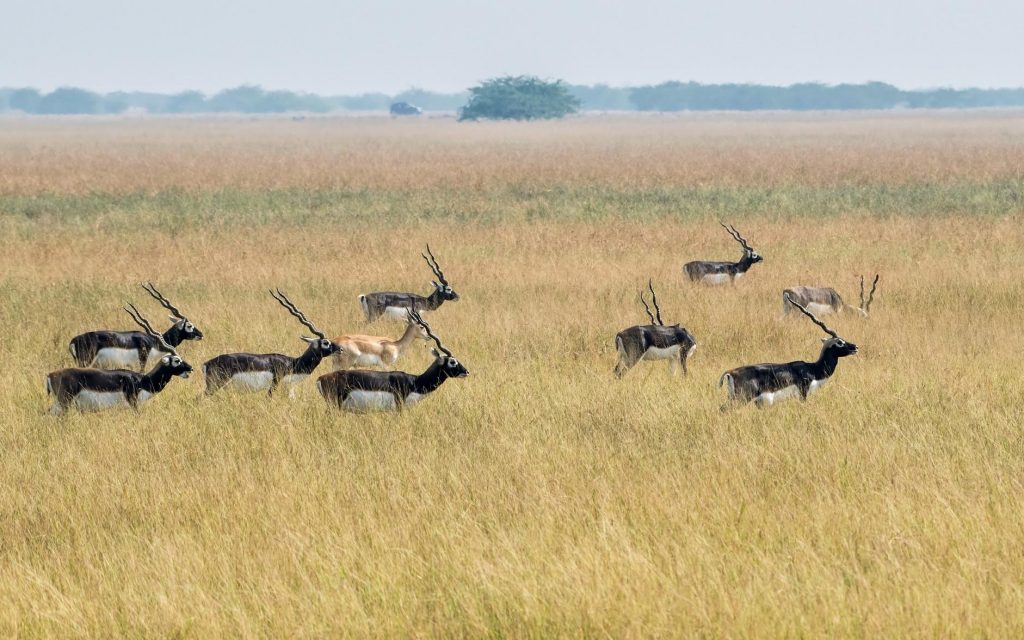
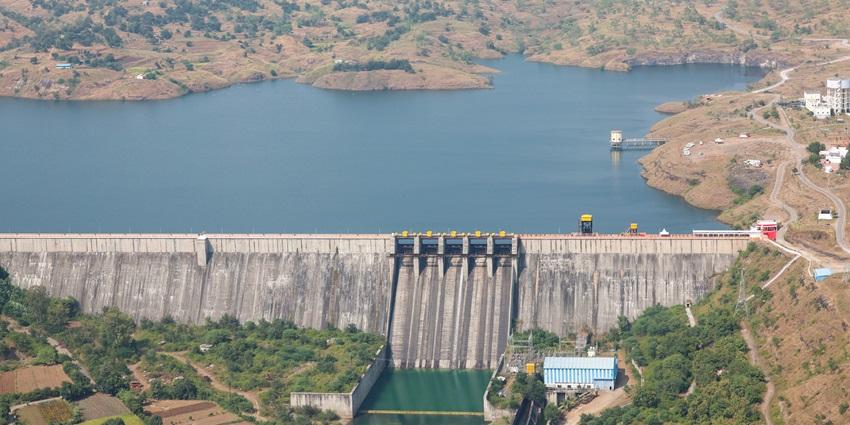
Nature lovers are drawn to Kalsubai, Maharashtra’s highest peak at 1,646 metres, as well as Bhandardara, known for Arthur Lake, Wilson Dam, Randha Falls, and its scenic surroundings. Wildlife enthusiasts can also visit the Rehekuri Blackbuck Sanctuary, one of the few protected habitats dedicated to conserving the Indian blackbuck.
With its rich history, iconic forts, renowned pilgrimage centres, scenic landscapes, strong agricultural economy, and vast geographical spread, Ahilyanagar is much more than Maharashtra’s largest district. It remains one of the state’s most historically, culturally, and geographically significant regions.