Why Some Bikes Stall During Monsoon: Water Contamination or Ethanol, Who Is the Culprit?
Why Some Bikes Stall During Monsoon: Water Contamination or Ethanol, Who Is the Culprit?
Mechanics have reported a rise in two-wheeler breakdowns during the rainy season, but experts say ethanol-blended petrol itself is not damaging vehicles. Water entering the fuel system and poor maintenance are the main reasons behind most monsoon-related engine problems.
By Vidhi Lalla
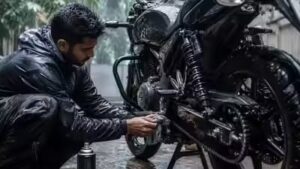
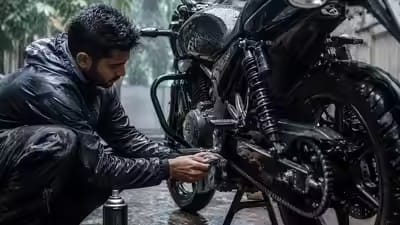
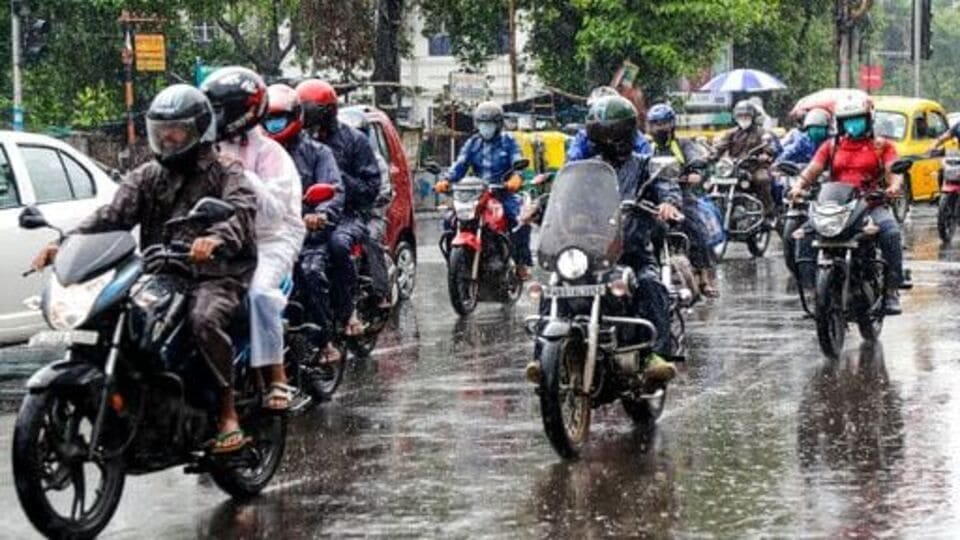
Pune: As the monsoon intensifies across Maharashtra, many two-wheeler owners have reported sudden engine stalling, misfiring and spark plug failures. Mechanics say complaints have increased significantly during heavy rains, especially from riders whose bikes are parked outdoors or frequently used in wet conditions.

According to vehicle repair professionals, one common reason is water mixing with ethanol-blended petrol. Ethanol naturally absorbs moisture more easily than conventional petrol. If rainwater enters the fuel tank through a loose or damaged fuel cap, or if a motorcycle remains exposed to heavy rain for long periods, the water content in the fuel can increase. When this contaminated fuel reaches the engine, it may lead to spark plug failure, engine misfires or sudden shutdowns.

Garage owners say the problem is particularly noticeable in some older motorcycles. A vehicle breaking down on deserted roads at night can also create safety concerns, especially for women and daily commuters.
However, experts from the Automotive Research Association of India (ARAI) have clarified that there is no evidence of widespread vehicle damage caused by E20 ethanol-blended petrol itself.
Speaking at a press conference, ARAI Director Dr. Reji Mathai said extensive testing had been carried out before introducing E20 fuel. The studies included eight to ten-year-old two-wheelers, four-wheelers and BS-IV vehicles, which were tested over distances of 40,000 to 50,000 kilometres before approval.
According to ARAI, authorised service centres have not reported any significant increase in serious complaints directly linked to E20 fuel. If vehicle owners experience problems, they are advised to get their vehicles inspected at authorised dealerships rather than relying on unverified claims circulating on social media.
Dr. Mathai noted that E20 fuel may reduce mileage by around 2 to 6 per cent, but it does not significantly affect engine performance or durability in compatible vehicles. Manufacturers have already made the necessary modifications in newer models to support ethanol-blended fuel.
He also cautioned vehicle owners against using unauthorised ethanol conversion kits, as they have not yet received government approval.
Experts say most monsoon-related breakdowns are often caused by a combination of water contamination, ageing components, worn spark plugs, clogged air filters and inadequate maintenance, rather than ethanol alone.
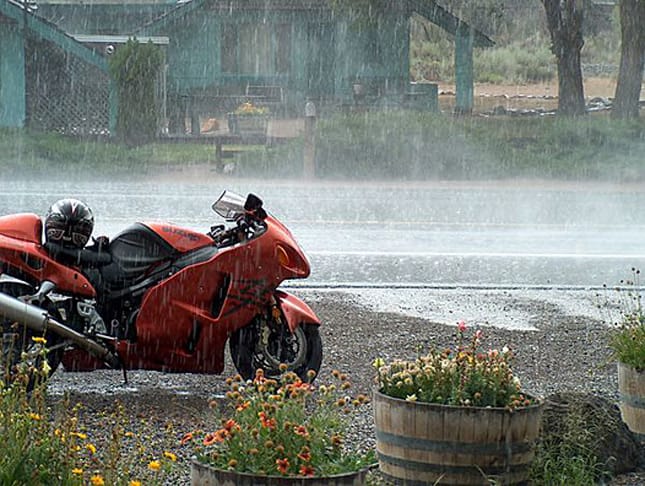
Precautions for Two-Wheeler Owners During Monsoon
- Park your vehicle under a roof or protective cover whenever possible.
- Ensure the fuel tank cap seals properly and replace it if it becomes loose or damaged.
- Avoid leaving the fuel tank nearly empty during heavy rains, as condensation can form more easily.
- Service the vehicle regularly and inspect spark plugs and air filters before the monsoon.
- If the bike starts misfiring or stalls repeatedly, get it checked immediately at an authorised service centre.
- Avoid using unauthorised fuel conversion kits or aftermarket modifications.
While ethanol-blended petrol has become a topic of public debate, automotive experts emphasise that proper vehicle maintenance and preventing water from entering the fuel system remain the most effective ways to avoid monsoon-related breakdowns.