Creating a Statement With Jewellery: Wearing Multiple Rings Is Often More About Identity Than Attention
Creating a Statement With Jewellery: Wearing Multiple Rings Is Often More About Identity Than Attention
From family heirlooms to travel souvenirs and milestone gifts, psychologists say rings often represent personal identity, memories and values rather than simply a desire to attract attention.
By Vidhi Lalla
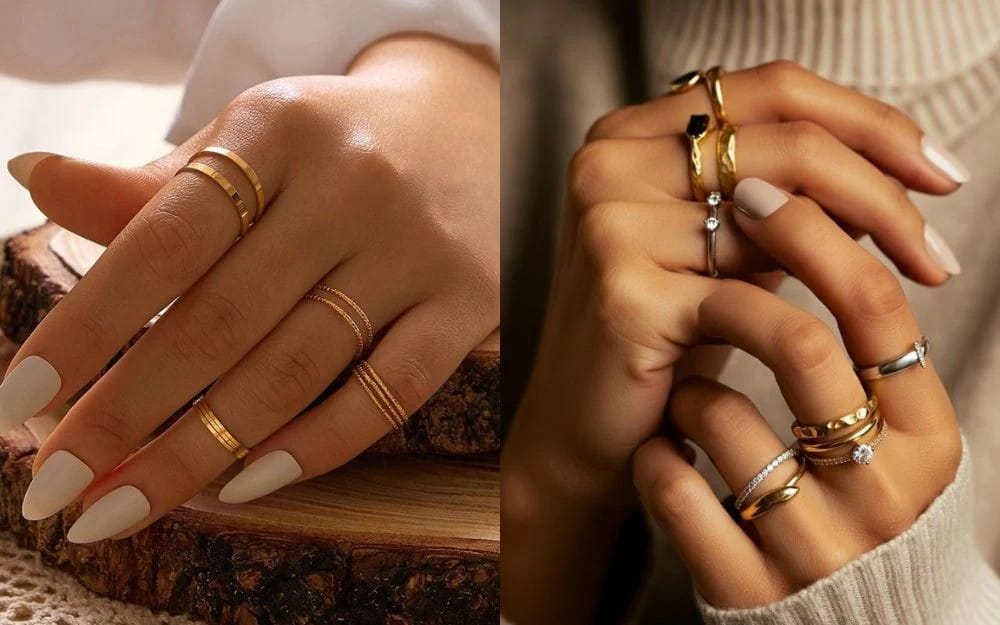
Pune: People who wear several rings are often assumed to be following fashion trends or trying to stand out. However, psychology suggests there may be a deeper reason behind the choice. Experts say jewellery, particularly rings, frequently serves as a form of self-expression, carrying emotional significance that reflects a person’s identity, relationships and life experiences.

According to psychologists, clothing and accessories are often used to communicate personality and preserve meaningful memories. While some people simply enjoy jewellery for its craftsmanship or style, others choose rings because they symbolize important milestones, family traditions, achievements or personal beliefs.

One explanation comes from the Extended Self Theory, developed by consumer psychologist Russell Belk. The theory suggests that people often view certain possessions as extensions of themselves. A ring inherited from a grandparent or collected during an important life event can become closely linked to a person’s identity. Removing it may feel like leaving behind a part of their personal story.
Another psychological concept, Symbolic Self-Completion Theory, proposes that people use meaningful symbols to reinforce aspects of their identity. Rings may represent creativity, commitment, independence, spirituality, family heritage or personal success. Rather than being decorative objects, they can act as visible reminders of deeply held values.
Research on attachment to possessions also suggests that people form strong emotional bonds with meaningful objects. A ring gifted by a loved one, purchased after a major achievement or inherited through generations may continue to be worn for years because of the memories it carries, regardless of changing fashion trends.
Psychologists also point to Autobiographical Memory, which explains how objects connected with important life events help people recall personal experiences. A graduation ring may remind someone of years of hard work, while a family heirloom or a travel souvenir can bring back memories of loved ones or special moments.
The Mere Exposure Effect, introduced by psychologist Robert Zajonc, offers another explanation. People naturally become attached to objects they encounter repeatedly. Wearing the same rings every day can make them part of a familiar routine, creating a sense of comfort and continuity.
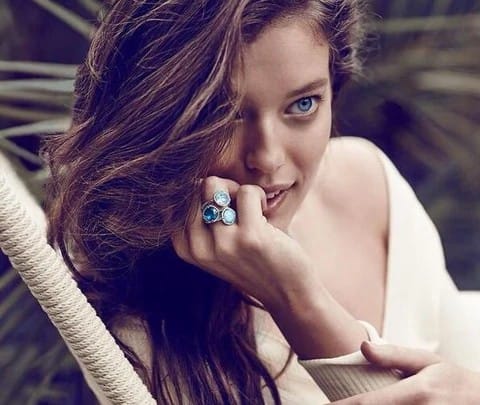
Experts also note that appearance plays an important role in self-expression. Just as hairstyles, clothing and tattoos communicate aspects of personality, jewellery can quietly reflect an individual’s character. Someone may prefer bold statement rings as a sign of creativity, while another may choose simple bands that reflect minimalism or elegance. Neither style reveals an entire personality, but each can express something meaningful without words.
In many cases, each ring carries a story, represents a cherished memory, or serves as a quiet reminder of the person’s identity, values and life journey.
Jewellery designers share a similar perspective. They say women have long used jewellery to tell their personal stories. Lockets once carried photographs or locks of hair, engraved rings preserved hidden messages, and mourning jewellery helped express grief in deeply personal ways. Today, heirloom pieces, charm bracelets collected during travels, or layered necklaces passed through generations continue to represent different chapters of life.
Many people also redesign inherited jewellery to suit their current style while preserving its sentimental value. In this way, jewellery evolves with the wearer, reflecting changing life experiences without losing its emotional significance.
Create A Statement With Jewellery
Jewellery experts say creating a statement is not about wearing more pieces but wearing them with purpose. Here are a few simple styling tips:
- Choose one signature piece: Let one bold ring, necklace or pair of earrings become the focal point instead of wearing many eye-catching accessories together.
- Mix with meaning: Combine heirloom jewellery with modern designs to create a style that reflects your personality and life journey.
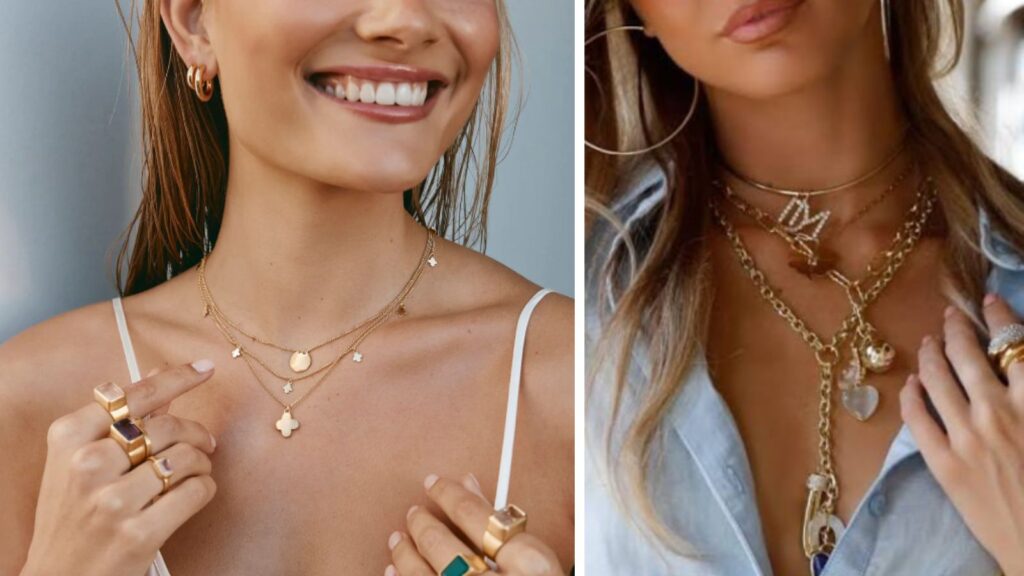
- Layer thoughtfully: Layer delicate rings or necklaces in different sizes and textures without making the look feel cluttered.
- Balance your outfit: If your jewellery is bold, keep clothing simple so the accessories stand out naturally.
- Stick to a colour theme: Mixing gold, silver and gemstones can look elegant when the colours complement each other.
- Dress for the occasion: Minimal jewellery works well for offices, while layered or statement pieces can enhance festive and evening wear.
- Prioritise comfort: Choose pieces you can wear confidently throughout the day. Comfortable jewellery naturally enhances your style.
- Let your jewellery tell your story: Wear pieces that celebrate milestones, family traditions, travels or achievements. Jewellery with personal meaning often creates the strongest impression.
Fashion experts say the most memorable jewellery is not always the most expensive, it is the jewellery that reflects confidence, individuality and the wearer’s personal story.