Monsoon Car Flood Damage? One Wrong Move Can Get Your Insurance Claim Rejected
Monsoon Car Flood Damage? One Wrong Move Can Get Your Insurance Claim Rejected
Experts say a comprehensive motor insurance policy can cover flood damage, but restarting a waterlogged vehicle or making unauthorised repairs may result in claim rejection. Knowing what to do immediately after flooding can save vehicle owners from costly repairs.
By Vidhi Lalla
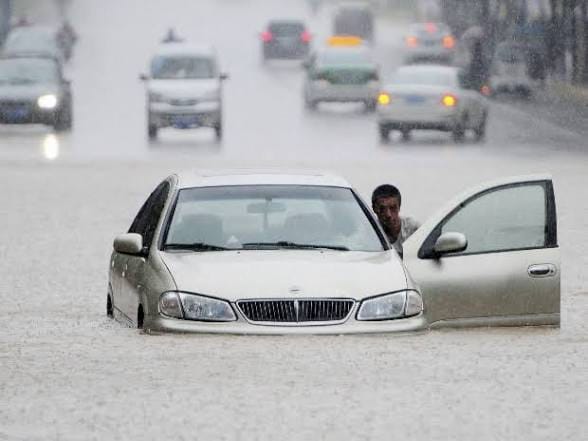
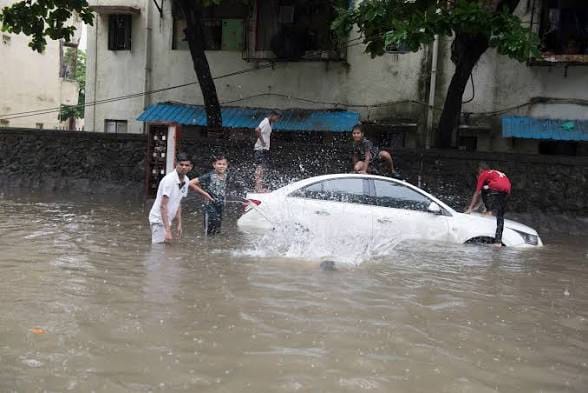
Pune: With heavy monsoon showers causing waterlogging across several Indian cities, vehicle owners are once again facing the risk of flood-related damage. While many motorists believe their insurance policy will automatically cover such losses, experts say a single mistake after the vehicle is submerged can lead to claim rejection and leave owners with repair bills worth lakhs of rupees.
According to insurance experts, only a comprehensive motor insurance policy or a standalone own-damage policy covers flood-related damage to your vehicle. A third-party insurance policy does not provide compensation for damage caused to your own vehicle due to floods or heavy rainfall.

Don’t Restart a Flooded Vehicle
One of the biggest reasons flood-related insurance claims are rejected is “consequential damage.” This refers to damage caused by the owner’s actions after the initial flooding rather than by the flood itself.
If a vehicle stalls or remains submerged in water, do not attempt to start or restart the engine. Water may enter the engine cylinders, and restarting it can cause hydrostatic lock (hydrolocking), a condition in which water prevents normal engine movement and can bend or break internal engine components.
Since this damage occurs after the flood due to restarting the engine, insurers may classify it as avoidable and reject that portion of the claim.
What Should You Do Instead?
Experts recommend switching off the ignition immediately if the vehicle stalls in floodwater. If it is safe to do so, disconnect the battery and arrange for the vehicle to be towed instead of attempting to drive it.
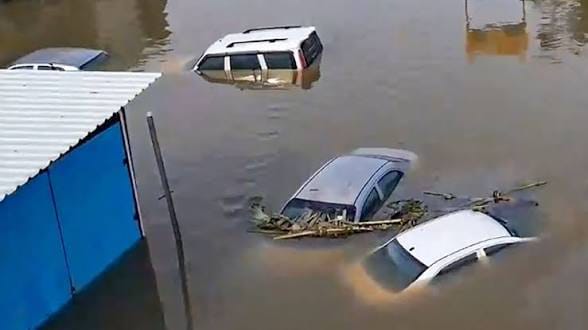
Before moving the vehicle, take clear photographs and videos showing the water level, registration number, surrounding area and visible damage. Also note the date, time and exact location of the incident, and keep towing bills and other records safely for claim processing.
Vehicle owners should inform their insurance company as soon as possible through the customer care helpline, mobile app or email. Obtain a claim reference number and follow the insurer’s instructions carefully.
Experts also advise using the insurer’s authorised towing service or roadside assistance wherever possible. Avoid dismantling or repairing the vehicle until the insurance surveyor has inspected it or the insurer has formally approved repairs, as unauthorised work may complicate the claim.
With many parts of India experiencing flooding during the monsoon, following the correct procedure immediately after water damage can significantly improve the chances of a smooth insurance claim settlement while preventing avoidable financial losses.
FAQs
1. Does every car insurance policy cover flood damage?
No. Flood damage is generally covered only under a comprehensive motor insurance policy or a standalone own-damage policy. Third-party insurance does not cover damage to your own vehicle.
2. What is the biggest mistake people make after their car is flooded?
Trying to start or restart the engine. This can cause hydrostatic lock (hydrolocking), leading to severe engine damage that insurers may classify as consequential damage and reject.
3. What should I do immediately if my car gets submerged in water?
Switch off the ignition, do not restart the vehicle, arrange for towing, photograph the damage, and inform your insurance company immediately.
4. Can I repair my vehicle before the insurance surveyor arrives?
It is advisable not to repair or dismantle the vehicle until the insurer’s surveyor has inspected it or the insurer has authorised repairs.
5. Why is documenting the incident important?
Photos, videos, towing receipts and workshop records help establish the extent of damage and support your insurance claim.
6. How should I transport a flooded vehicle?
Use the insurer’s authorised towing service or a recognised roadside assistance provider whenever possible instead of driving the vehicle.
7. What is consequential damage in motor insurance?
It refers to additional damage caused after the initial incident due to the owner’s actions, such as restarting a waterlogged engine. Such damage is often excluded from standard comprehensive policies.
8. Can floodwater damage parts other than the engine?
Yes. Floodwater can also affect electrical systems, wiring, brakes, transmission, upholstery and electronic components, depending on the water level and duration of submersion.
Disclaimer: Motor insurance coverage varies depending on the policy terms, exclusions and insurer. Vehicle owners should carefully read their policy documents and consult their insurer for claim-specific guidance.