Fear of Dogs Needs Empathy: It’s Not Hatred Always; Past Experiences Often Shape Reactions
Fear of Dogs Needs Empathy: It's Not Hatred Always; Past Experiences Often Shape Reactions
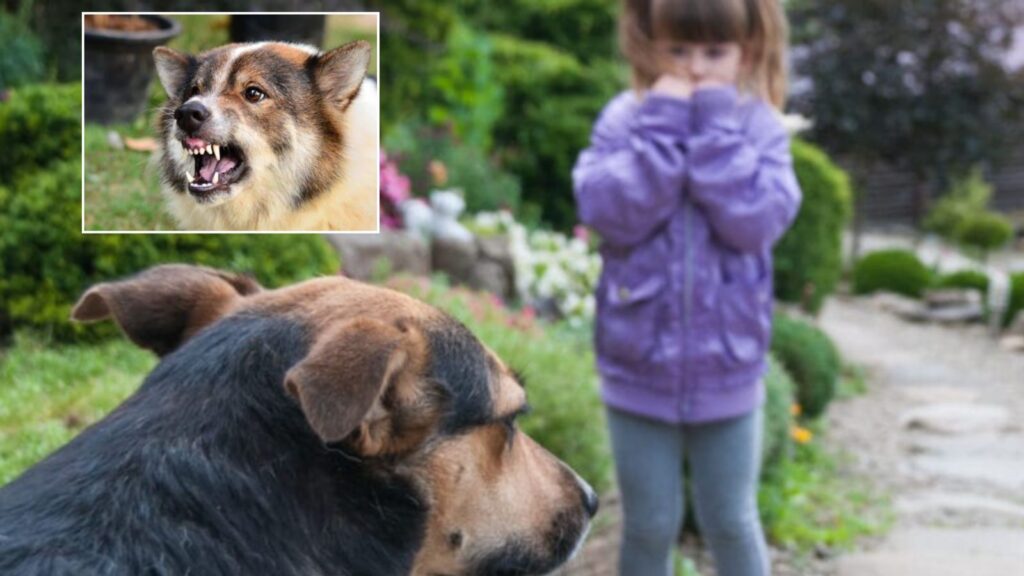
Experts explain that fear of dogs can stem from childhood experiences, learned behaviour or anxiety rather than dislike for animals, highlighting the need for empathy from both pet owners and the public.
Many people assume that someone who is afraid of dogs dislikes or hates animals. However, psychologists say this is often far from the truth. Fear of dogs can develop because of past experiences, learned behaviour or anxiety, even in people who appreciate animals.

According to psychologists, classical conditioning is one of the most common reasons behind such fears. A person who was bitten, chased or frightened by a dog during childhood may unconsciously associate dogs with danger. Even years later, seeing a friendly dog can trigger anxiety because the brain continues to connect similar situations with earlier frightening experiences.
Another explanation comes from social learning theory, which suggests that fears can be learned by observing others. Children who regularly see parents or caregivers reacting fearfully around dogs may gradually develop the same response, despite never having a negative encounter themselves.

Experts also point to preparedness theory, which proposes that humans are naturally wired to detect potential threats. Although dogs are domesticated animals, some people may instinctively remain more alert around larger breeds or unfamiliar animals, especially after a negative experience.
Individual differences also influence how people respond. Research on risk perception shows that while one person may comfortably approach an unfamiliar dog with the owner’s permission, another may perceive the same situation as risky based on previous experiences, personality or confidence.
Psychologists further explain that anxiety sensitivity can intensify fear. A racing heart, sweating or trembling when a dog approaches may convince a person that they are in danger, creating a cycle in which anxiety reinforces itself.
Avoidance can make the problem worse over time. Behavioural psychologists say people often experience immediate relief by avoiding dogs, which unintentionally strengthens the fear. Because they miss opportunities to experience safe interactions, the anxiety may persist or even increase.
Mental health professionals often use gradual, supervised exposure techniques to help people overcome such phobias.
Experts emphasise that being afraid of dogs is not the same as hating dogs. In many cases, the fear reflects a psychological response shaped by experience rather than a negative attitude toward animals.
Note for Dog Lovers
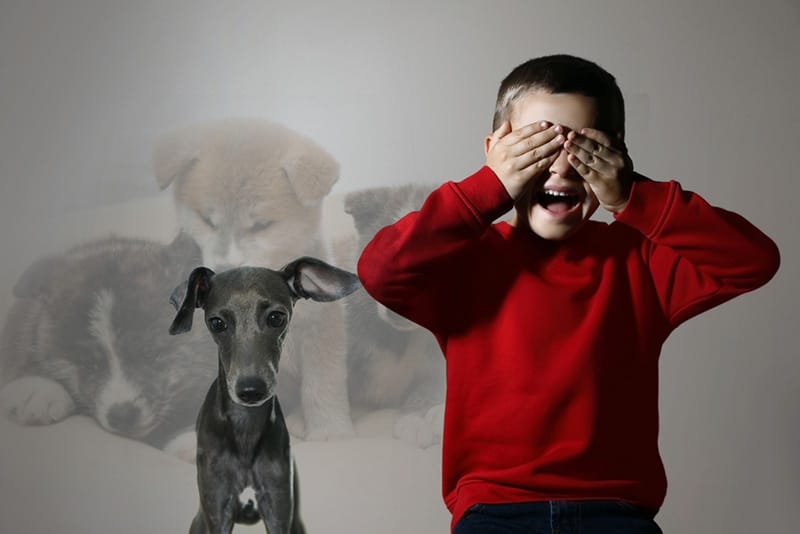
Dog owners and animal lovers can help create safer and more comfortable public spaces by showing empathy toward people who are afraid of dogs.
- Avoid assuming that a fearful person dislikes or hates dogs. Their reaction may be linked to trauma, anxiety or a past unpleasant experience.
- Keep your dog on a leash in public places and maintain reasonable control, even if your pet is friendly.
- Do not encourage your dog to approach strangers without permission. Many people need personal space to feel safe.
- Teach children to ask before petting someone else’s dog, and respect anyone who chooses not to interact.
- If someone appears anxious, calmly move your dog away instead of insisting that the dog is harmless.
- Respecting another person’s fear is as important as expecting others to respect your love for pets. Small acts of consideration can reduce stress and promote safer interactions for everyone.
Disclaimer: Persistent or severe fear of dogs that interferes with daily life may benefit from professional guidance from a qualified mental health practitioner.