Think Twice Before Cooking Acidic Foods in Aluminum Foil: Here’s Why Experts Advise Caution
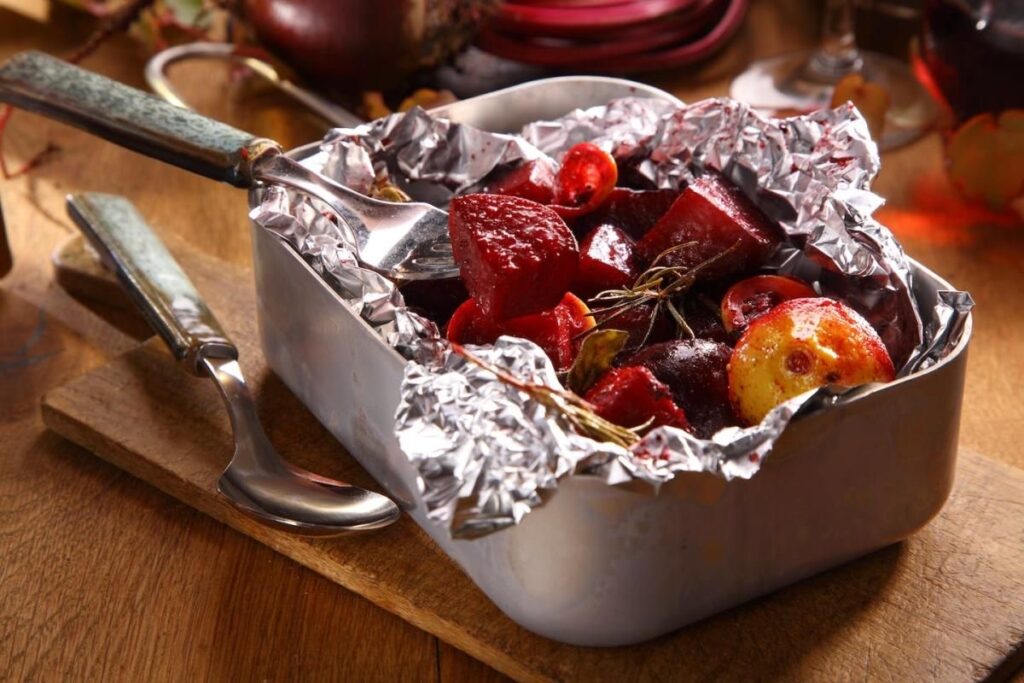
Think Twice Before Cooking Acidic Foods in Aluminum Foil: Here's Why Experts Advise Caution
13 July, 2026: Aluminum foil is a staple in most kitchens, valued for its convenience in baking, grilling, roasting, and storing food. However, health experts say that while it is generally safe for everyday use, the type of food being cooked can make a difference.
Research suggests that small amounts of aluminum may leach into food when it is cooked in aluminum foil at high temperatures. This is more likely to happen with acidic foods such as tomatoes, citrus fruits, vinegar-based recipes, and heavily spiced dishes. Salty foods can also increase the amount of aluminum transferred during cooking.

Aluminum is naturally found in food, water, and some medicines, and healthy kidneys can usually remove small amounts from the body. Because of this, experts consider occasional use of aluminum foil to be safe for most people. However, limiting unnecessary exposure is recommended, especially when cooking certain types of food.

The amount of aluminum that transfers into food depends on several factors, including cooking temperature, duration, and the ingredients used. Foods cooked for long periods at high heat while tightly wrapped in foil are more likely to absorb aluminum than foods that are simply covered with foil.
For acidic recipes, experts recommend using glass, ceramic, or stainless steel cookware instead of aluminum foil. When baking, parchment paper can serve as a protective barrier between food and foil. For storing leftovers, airtight glass or food-grade plastic containers are generally considered a better choice, particularly for acidic foods.
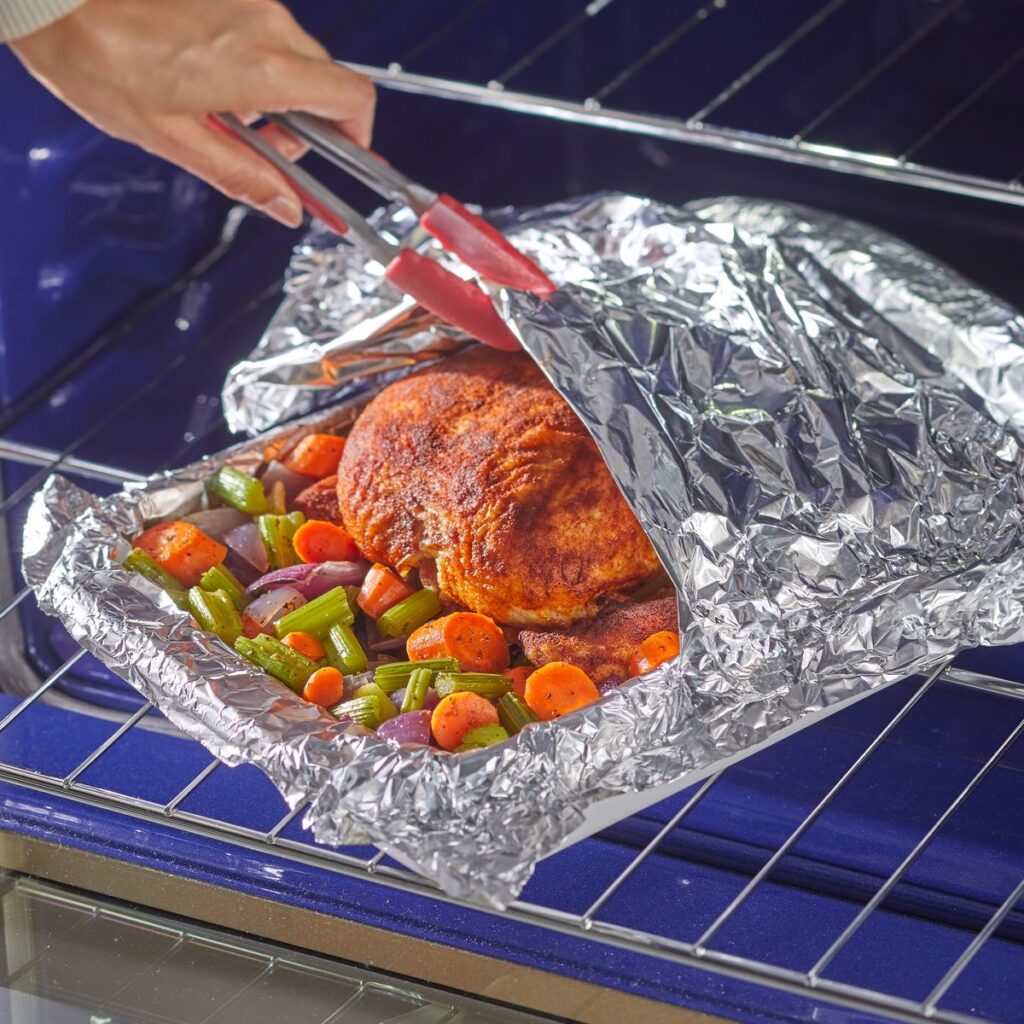
Experts stress that there is no need to eliminate aluminum foil from the kitchen altogether. It remains a practical and effective option for grilling, roasting, and covering dishes where direct contact with acidic ingredients is limited. The key is to use it in moderation and choose alternative cookware when preparing highly acidic meals.
By understanding how aluminum foil interacts with different foods, home cooks can continue to enjoy its convenience while taking simple steps to reduce unnecessary aluminum exposure.