Who Inherits a Married Hindu Woman’s Property If She Dies Without a Will? Law Gives Priority to Husband’s Heirs
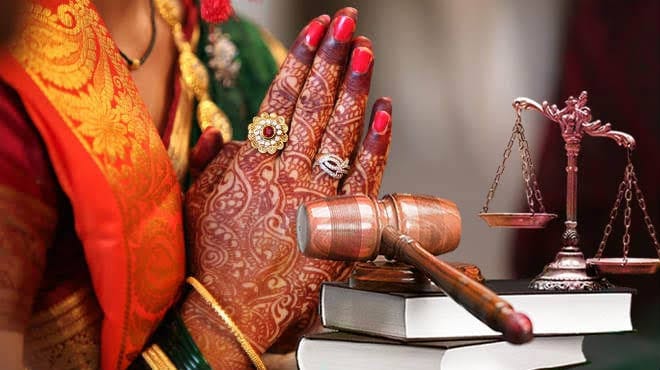
Who Inherits a Married Hindu Woman's Property If She Dies Without a Will? Law Gives Priority to Husband's Heirs
Under the Hindu Succession Act, inheritance depends not only on whether a woman has children or a husband but also on how she acquired the property. Legal experts say preparing a will remains the safest way to ensure assets go to the intended beneficiaries.
By Vidhi Lalla
Pune: As more women become financially independent, own homes, build businesses and make investments, questions about inheritance rights have become increasingly important. A lesser-known provision of the Hindu Succession Act, 1956, however, often surprises families by determining that a married Hindu woman’s property may pass to her husband’s legal heirs instead of her own parents if she dies without leaving a will.

Under Section 15 of the Hindu Succession Act, the order of succession for a Hindu woman who dies intestate (without a will) differs significantly from that of a Hindu man.

If a married Hindu woman dies leaving behind her husband or children, they receive the first right over her property. However, if she has neither a surviving husband nor children, the legal position depends on how she acquired the property.
For property purchased or earned by the woman through her own income, the law gives preference to the husband’s legal heirs after the husband and children. Only if such heirs are not available do the woman’s parents become eligible to inherit.
The rules are different for property inherited from her parents. In such cases, if the woman dies without a husband or children, the property returns to her father’s legal heirs, and the husband’s family has no claim over those assets.
Similarly, if the property was inherited from her husband or father-in-law, it will pass to the husband’s legal heirs if there are no surviving husband or children.
The law stands in contrast to the inheritance rules applicable to Hindu men. When a Hindu man dies without a will, his Class I heirs, including his widow, children and mother, inherit his property first. This difference has drawn criticism from legal experts, who argue that the law does not adequately recognise the evolving role of daughters in supporting their parents.
The Law Commission of India, in its 207th Report (2008), highlighted this disparity and recommended giving greater priority to a woman’s parental family over her husband’s heirs in certain situations. However, the recommendation has not yet been incorporated into law, and the issue continues to attract legal debate.
How inheritance works
| Type of property | If there is no husband or child |
|---|---|
| Self-acquired property | Husband’s legal heirs receive priority before the woman’s parents |
| Property inherited from parents | Returns to the father’s legal heirs |
| Property inherited from husband or father-in-law | Goes to the husband’s legal heirs |
Legal experts advise that women—particularly those who are single, widowed, divorced or financially supporting their parents—should prepare a legally valid will to ensure their assets are distributed according to their wishes and to avoid future family disputes.
The issue has gained renewed attention as changing family structures, increasing female property ownership and greater financial independence have prompted calls for reforms that better reflect modern social realities.
Disclaimer: The above provisions apply to succession governed by the Hindu Succession Act, 1956 and may not apply to individuals governed by other personal laws. Inheritance outcomes can also vary depending on specific facts and court rulings.