Can Pain Become Your Greatest Teacher? Here’s How It Can Fuel Personal Growth and Productivity
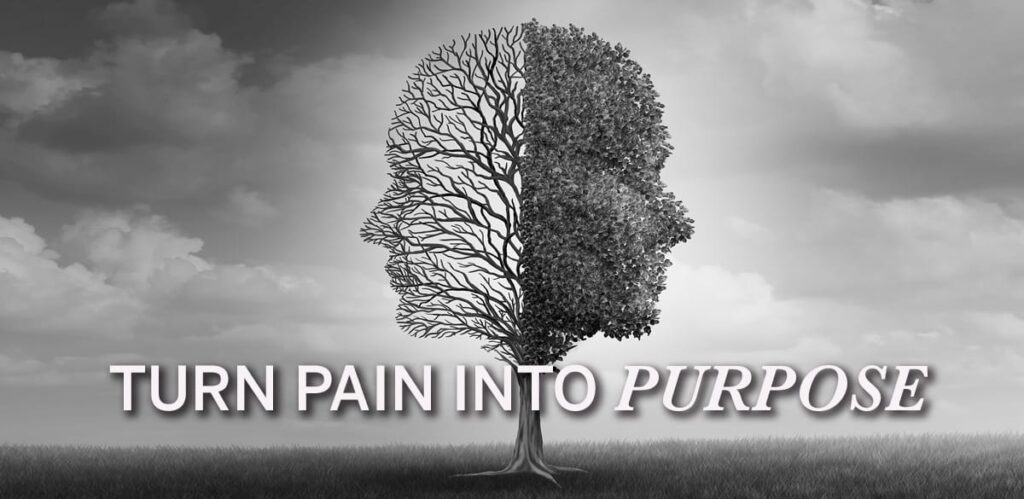
Can Pain Become Your Greatest Teacher? Here's How It Can Fuel Personal Growth and Productivity
Psychologists say emotional pain does not always have to hold people back. When understood and managed well, it can become a powerful tool for resilience, better decision-making and personal growth.
By Vidhi Lalla
Pune: Most people spend their lives chasing happiness while trying to avoid sadness. Whether it follows failure, heartbreak, rejection or loss, emotional pain is often viewed as something to suppress or escape. However, psychologists say painful emotions are not merely obstacles—they can also provide valuable insights into what truly matters and what needs attention.

According to mental health experts, every emotion serves a purpose. Just as physical pain alerts the body to an injury, emotional pain can signal unmet needs, unrealistic expectations, unresolved conflicts or emotional exhaustion. Recognising these signals instead of ignoring them can help people make healthier choices and recover more effectively.

Studies on Acceptance and Commitment Therapy (ACT) have found that accepting difficult emotions instead of constantly resisting them improves psychological flexibility. This enables individuals to take meaningful action even during emotionally challenging periods. Research also suggests that some people experience post-traumatic growth, developing greater resilience, stronger relationships, deeper self-awareness and a renewed sense of purpose after overcoming adversity.
Experts caution that emotional pain should not be glorified or romanticised. Instead, the focus should be on understanding it, learning from it and responding constructively rather than reacting impulsively.
Tips to Turn Pain Into Productivity
Psychologists recommend several practical strategies that can help transform emotional setbacks into opportunities for growth:
- Acknowledge your emotions. Naming feelings such as disappointment, grief or frustration reduces emotional overwhelm and increases self-awareness.
- Reflect before reacting. Ask yourself what the experience is teaching you about your goals, relationships or personal boundaries.
- Channel emotions into purposeful action. Learn a new skill, complete pending work, exercise or pursue a meaningful project instead of dwelling on setbacks.
- Follow a consistent routine. Small daily habits like walking, journaling, meditation or focused work create emotional stability.
- Focus on what you can control. Accept circumstances beyond your control while taking positive action where possible.
- Use setbacks as feedback. Every challenge can reveal strengths, weaknesses and areas for improvement.
- Stay connected. Talking to trusted friends, family members or mental health professionals often provides clarity and emotional support.
- Practise self-compassion. Treat yourself with the same kindness you would offer someone else facing similar circumstances.
Mental health professionals emphasise that productivity is not about ignoring emotional pain. Instead, it involves using difficult experiences as motivation for personal development while continuing to move towards meaningful goals.
Many successful entrepreneurs, artists, athletes and leaders have described setbacks as turning points that reshaped their priorities and strengthened their determination. The difference often lies not in avoiding pain but in choosing how to respond to it.
Rather than asking, “Why is this happening to me?”, psychologists encourage people to ask, “What can I learn from this experience?” This simple shift in perspective can help transform emotional struggles into opportunities for resilience, self-discovery and long-term growth.
Key takeaway:
Pain does not always have to slow people down. When understood, accepted and channelled wisely, it can become a powerful driver of resilience, creativity, productivity and personal transformation.
Disclaimer: This article is intended for general awareness and should not be considered a substitute for professional medical or mental health advice. Individuals experiencing persistent emotional distress should seek guidance from a qualified mental health professional.