Why Is Pune Receiving Muddy Tap Water? Here’s What Is Causing The City’s Water Supply Problem
Why Is Pune Receiving Muddy Tap Water? Here's What Is Causing The City's Water Supply Problem
Pune, July 17, 2026:
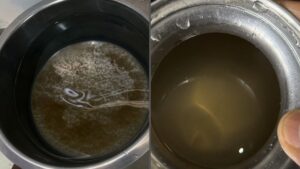
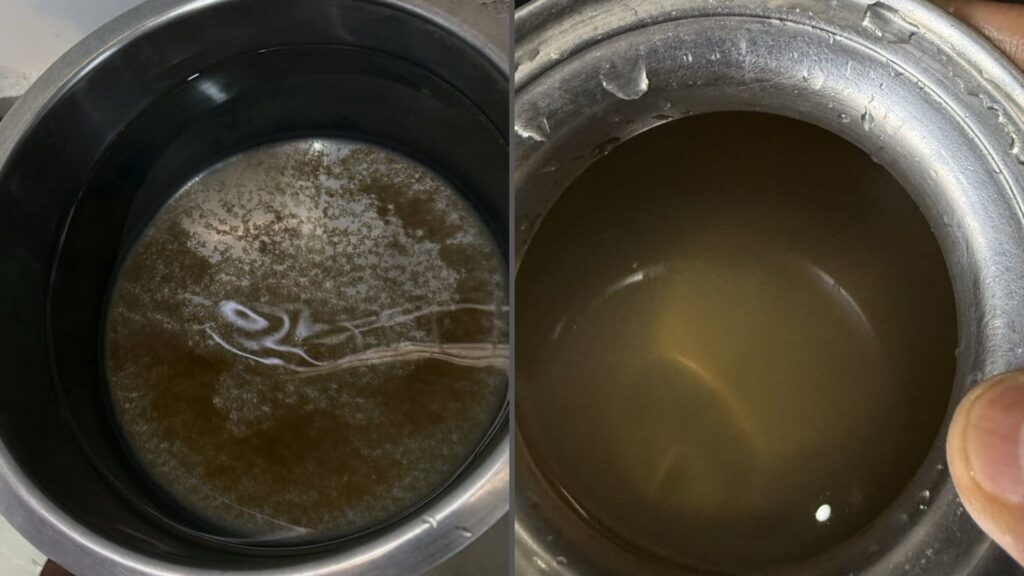
Residents across several parts of Pune have been receiving muddy tap water for the past four to five days, raising concerns over water quality. While the Pune Municipal Corporation (PMC) has been taking measures to reduce turbidity through its water treatment process, officials say the problem originates much earlier—in the raw water being drawn from the Khadakwasla dam system.
According to PMC Water Supply Department Head Nandkishor Jagtap, the raw water reaching the city’s treatment plants contains an unusually high amount of soil and silt, making purification significantly more challenging.

Soil Erosion in Catchment Areas Behind Rising Turbidity
Environmental experts attribute the increasing turbidity to severe soil erosion in the dam catchment areas of Khadakwasla, Panshet, Varasgaon, and Temghar. They say rapid hill excavation, expanding construction activity, shrinking forest cover, and changing rainfall patterns have led to large quantities of soil being washed into the reservoirs.

Although rainfall has increased in recent years, its distribution has become more erratic. This year, delayed monsoon showers meant that protective grass cover, which normally prevents soil erosion, had not developed on the hillsides before heavy rains arrived.
When intense rainfall of 200–400 mm within 24 hours hit parts of the catchment, massive amounts of loose soil were washed into the reservoirs, increasing the sediment content in the water supplied to Pune.
Early Closure of Khadakwasla Dam Release Added to the Problem
Officials also pointed to an operational factor that worsened the situation.
Typically, after the onset of the monsoon, water is released from Khadakwasla Dam continuously for three to four days, helping flush accumulated silt downstream. However, this year the water release was stopped within just 24 hours, preventing the natural flushing process from being completed.
As a result, silt-laden water continued to reach the PMC’s water treatment plants, increasing the turbidity of the city’s water supply.
Experts Warn of Long-Term Environmental Impact
Large-scale construction on the hills, shrinking forest cover, delayed rainfall, and the absence of protective grass during the first showers have caused excessive soil erosion. The soil is being washed directly into the dams, which is a serious warning sign for the future.
PMC Says It Was Prepared, But Sediment Levels Are Unusually High
PMC Water Supply Department Head Nandkishor Jagtap said the civic body routinely prepares for increased turbidity during the monsoon, as sediment levels have been rising over the past few years.
However, he noted that the amount of soil entering the reservoirs this season is significantly higher than usual, making water treatment more difficult despite existing precautions.