Single Scratch on Non-Stick Pan May Release 9,100 Microplastic Particles Into Food: Study
Single Scratch on Non-Stick Pan May Release 9,100 Microplastic Particles Into Food: Study
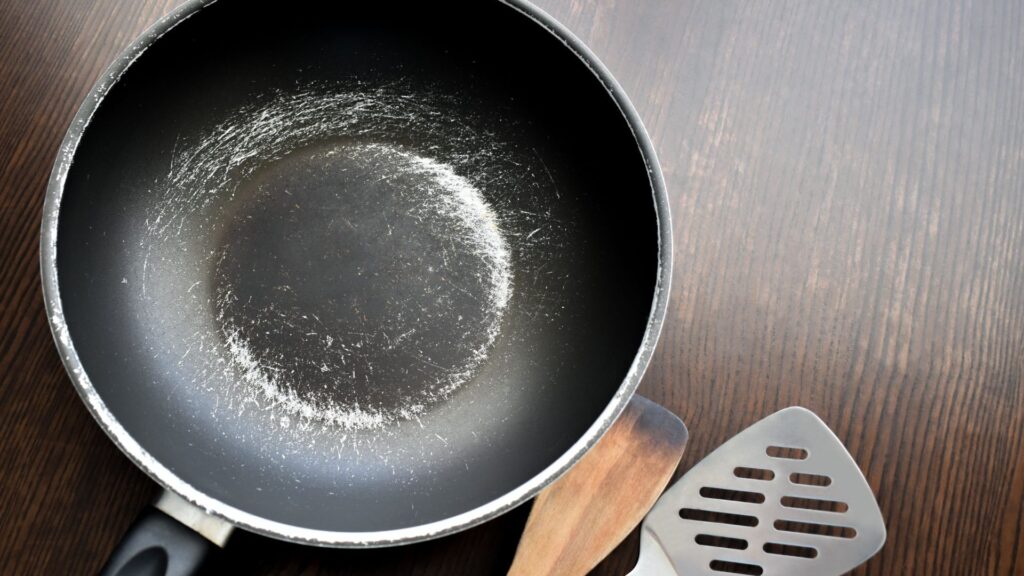
17 July, 2026: A scratched non-stick pan may be exposing people to more than just uneven cooking. Researchers have found that even a single scratch on the surface of a non-stick pan can release around 9,100 microplastic particles into food, raising concerns about the continued use of damaged cookware.
According to the study, a small crack in the non-stick coating can shed thousands of microscopic plastic particles during cooking. If the coating is extensively worn, chipped, or peeling, the number of particles released may increase significantly. Most non-stick cookware is coated with PTFE (polytetrafluoroethylene), commonly known by the brand name Teflon, which can deteriorate over time due to metal utensils, high heat, or regular wear and tear.
Researchers said these tiny plastic particles can mix with food while cooking. Although the long-term health effects of ingesting microplastics are still being studied, previous research has suggested possible links to inflammation and potential impacts on the digestive and immune systems.

Experts recommend checking non-stick cookware regularly for signs of damage such as scratches, peeling, or chipping. To help extend the life of non-stick pans, they advise using wooden, silicone, or nylon utensils, avoiding excessive heat, and cleaning the cookware with soft sponges instead of abrasive scrubbers.
While using a pan with minor surface scratches occasionally is unlikely to pose an immediate health risk, researchers suggest replacing cookware once the non-stick coating begins to deteriorate significantly to minimise unnecessary exposure to microplastics.