Court Marriage vs Registered Marriage in India: Process, Rules and Legal Differences
Court Marriage vs Registered Marriage in India: Process, Rules and Legal Differences
17 July, 2026: Marriage is not only a social and emotional bond but also a legal relationship. However, many people often assume that court marriage and registered marriage are the same. While both are legally recognised in India, they differ in terms of the process, governing laws and purpose. Knowing the difference can help couples choose the right option and avoid legal confusion later.
What is a Court Marriage?
A court marriage is a civil marriage conducted under the Special Marriage Act, 1954. It allows two adults to marry regardless of their religion, caste or community without performing any religious rituals.

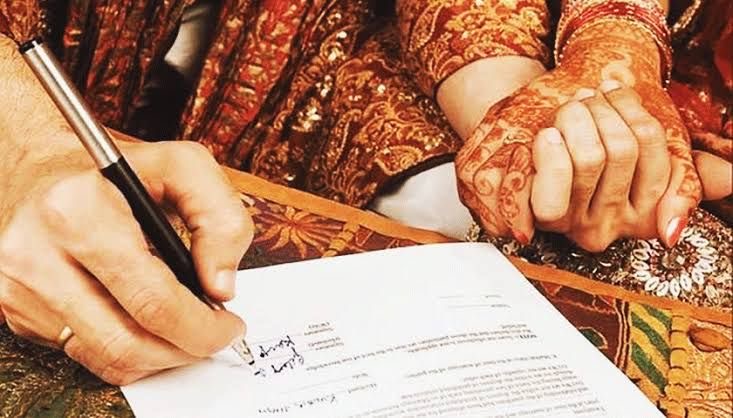
In a court marriage, the couple submits an application before the Marriage Registrar. After the mandatory notice period, the marriage is solemnised in the presence of the Marriage Officer and witnesses. Once the legal formalities are completed, the couple is issued a marriage certificate, making the marriage legally valid.
Court marriages are often preferred by interfaith and inter-caste couples, as well as those who wish to marry through a purely legal process.
What is a Registered Marriage?
A registered marriage refers to the legal registration of a marriage that has already taken place according to religious or traditional customs. For example, couples married under Hindu, Muslim, Christian or other personal laws can later register their marriage with the concerned authority.
Unlike court marriage, the wedding ceremony is conducted first, and the registration is completed afterward. The registration provides an official marriage certificate, which serves as legal proof of marriage.
This certificate is often required for passports, visas, bank nominations, insurance claims, property matters and other legal or government-related work.
Court Marriage vs Registered Marriage
The biggest difference is that court marriage is the marriage itself, performed under civil law, while registered marriage is the legal recording of a marriage that has already been solemnised through religious or customary ceremonies.
Court marriages are governed by the Special Marriage Act, 1954, whereas registered marriages are governed by the relevant personal laws and state marriage registration rules.
Eligibility and Documents
For both court marriage and marriage registration, the groom must be at least 21 years old, while the bride must be 18 years old. Couples are generally required to submit identity proof, address proof, passport-sized photographs and documents of witnesses. The required paperwork may vary depending on the state.
Why Knowing the Difference Matters
Although both court marriage and registered marriage provide legal recognition to a couple’s union, the procedures and legal framework are different. Understanding these differences can help couples complete the correct process, obtain valid legal documents and avoid unnecessary complications in the future.