Passport Wrapped in Aluminum Foil? Here’s the Truth Behind the Viral Travel Hack
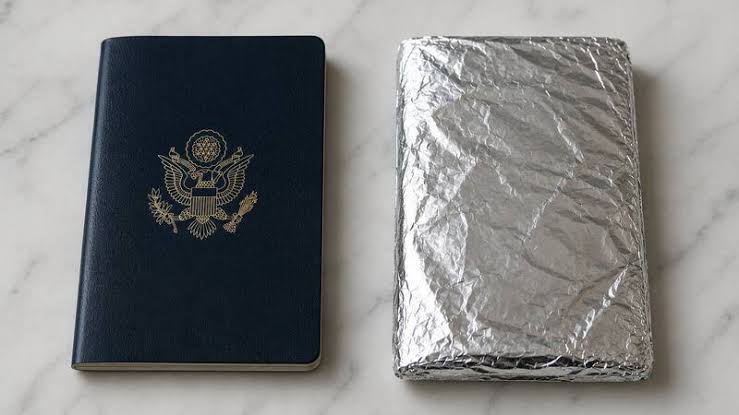
Passport Wrapped in Aluminum Foil? Here’s the Truth Behind the Viral Travel Hack
21 July, 2026: Travelers around the world are embracing an unusual travel hack—wrapping their passports in aluminum foil before boarding a flight. The trend, which has gained traction on social media, is driven by concerns about digital security and the possibility of unauthorized scanning of passport data. But is this simple trick really effective, or is it just another internet myth?
Why Are People Using Aluminum Foil?
Many modern passports, including India’s e-passports, contain an RFID (Radio Frequency Identification) chip that stores personal information such as the holder’s name, passport number, photograph, and other biometric details. Some travelers worry that these chips could be read by unauthorized devices, potentially exposing sensitive information.


Supporters of the aluminum foil hack believe the metal acts as a barrier, blocking radio signals from reaching the RFID chip. The idea is based on the principle of a Faraday cage, a conductive enclosure that can interfere with electromagnetic signals.
How Real Is the Risk?
Although RFID-related concerns often circulate online, cybersecurity experts say the actual risk of someone stealing passport data through wireless scanning is very low.
Electronic passports are protected by encryption and security features that prevent easy access to stored information. In most cases, the chip can only be read from a very short distance and typically requires the passport to be opened and its machine-readable zone to be scanned before the chip becomes accessible.
Does Wrapping a Passport in Foil Work?
Technically, wrapping a passport completely in aluminum foil can reduce or block RFID signals. However, experts note that this is not a practical solution for everyday travel.
Many passport covers and travel wallets are already designed with built-in RFID-blocking materials, offering the same protection in a more durable and convenient form. Aluminum foil can tear easily and may become inconvenient when passengers need to repeatedly show their passports during airport procedures.
Smarter Ways to Protect Your Passport
Instead of relying on aluminum foil, travelers can take a few simple precautions to keep their passports secure:
- Use an RFID-blocking passport holder or travel wallet.
- Keep the passport in a secure compartment of your bag.
- Avoid posting clear photos of your passport online.
- Store digital copies of important travel documents in a secure location.
- Report a lost or stolen passport immediately to the relevant authorities.
Wrapping a passport in aluminum foil is based on a scientific principle, but for most travelers, it offers little additional benefit. Modern e-passports are already equipped with multiple security measures that make unauthorized scanning extremely difficult.
While the foil hack is unlikely to cause any harm, using a quality RFID-blocking passport holder and following basic travel safety practices remains a more practical and reliable way to protect your personal information during your journey.