Guruji Dakshina May Rise by 30% Ahead of Shravan and Ganesh Festival; Religious Rituals Set to Become Costlier
Guruji Dakshina May Rise by 30% Ahead of Shravan and Ganesh Festival; Religious Rituals Set to Become Costlier
Higher fuel prices, rising travel expenses and costlier puja materials are prompting priests to revise dakshina rates, increasing the cost of household religious ceremonies.
Households planning religious ceremonies during the upcoming Shravan month and Ganesh festival may have to set aside a larger budget this year. Priests who conduct household pujas and rituals are expected to increase their dakshina by around 30%, citing rising inflation, higher transportation costs and the increasing price of essential puja materials.

Priests say the revision has become necessary as the cost of travelling to multiple homes every day has increased significantly due to higher fuel prices. Many also point out that their livelihood depends primarily on conducting religious ceremonies, making it difficult to absorb the additional expenses without revising service charges.
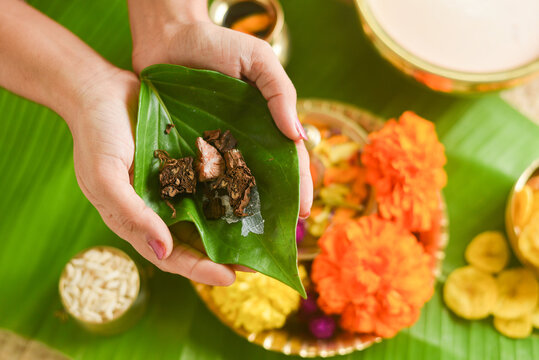
Apart from travel costs, the prices of several items used during religious rituals have also risen. Essential materials such as ghee, edible oil, camphor, incense sticks, dhoop, samidha (sacrificial wood), flowers, fruits, coconuts, betel leaves, dry fruits and other offerings have become more expensive over the past few years. These higher input costs have increased the overall expense of performing traditional ceremonies.

The timing of the proposed increase is significant, as Shravan is considered one of the most auspicious months in the Hindu calendar. Many families perform Satyanarayan Puja, Rudrabhishek, Mangalagaur, Mahalakshmi Puja, Vastu Shanti, Griha Pravesh and other religious rituals during this period. Demand for priests also rises further during Ganesh Chaturthi, when households organise Ganesh idol installation, daily aartis and visarjan ceremonies.
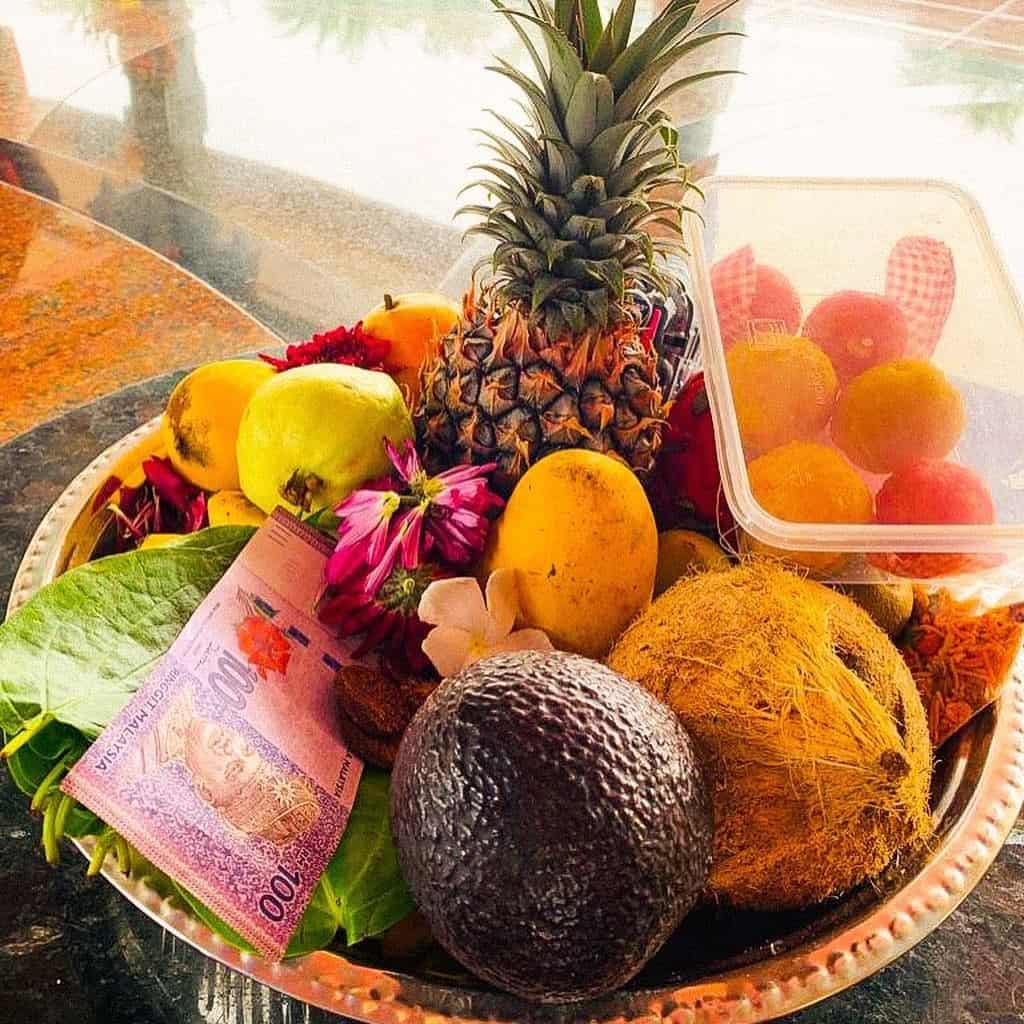
Traditionally, dakshina is a voluntary offering made to a priest in recognition of the religious service performed. While many priests have suggested revising the standard amount to keep pace with inflation, the final dakshina generally continues to depend on factors such as the type of ritual, duration of the ceremony, travel distance and the family’s financial capacity.
Some members of the priest community, however, have expressed a different view, saying religious services should remain affordable and any revision should be implemented with flexibility rather than through a uniform rate increase. They believe families facing financial constraints should not be discouraged from performing religious rituals because of higher costs.
Financial planners also advise families to account for these seasonal expenses in advance, especially during the festive months when spending on decorations, gifts, food, travel and religious ceremonies tends to increase simultaneously.
With Shravan and Ganesh festival approaching, households planning pujas may benefit from discussing the expected expenses with priests beforehand and preparing a budget that includes dakshina, puja materials and other related costs.
FAQs
1. Why are priests increasing dakshina this year?
Priests cite rising fuel prices, higher travel expenses and the increasing cost of puja materials as the primary reasons for revising dakshina.
2. Is there a fixed dakshina amount for all religious ceremonies?
No. Dakshina is generally not fixed and varies depending on the type of ritual, time involved, travel distance, local customs and the family’s preference.
Disclaimer: Dakshina amounts and puja charges may vary across regions, traditions and individual priests. Families are advised to confirm the expected charges before scheduling a religious ceremony.