10 Hydrating Fruits That Can Help Reduce the Risk of UTIs During Monsoon

10 Hydrating Fruits That Can Help Reduce the Risk of UTIs During Monsoon
23 July, 2026: The monsoon season offers relief from scorching summer temperatures, but it also creates conditions that can increase the risk of urinary tract infections (UTIs). High humidity, sweating, reduced water intake, and wearing damp clothes for long periods can promote bacterial growth. Although fruits cannot treat or completely prevent a UTI, including hydrating and nutrient-rich fruits in your daily diet can support urinary health, improve immunity, and help keep the body well-hydrated.
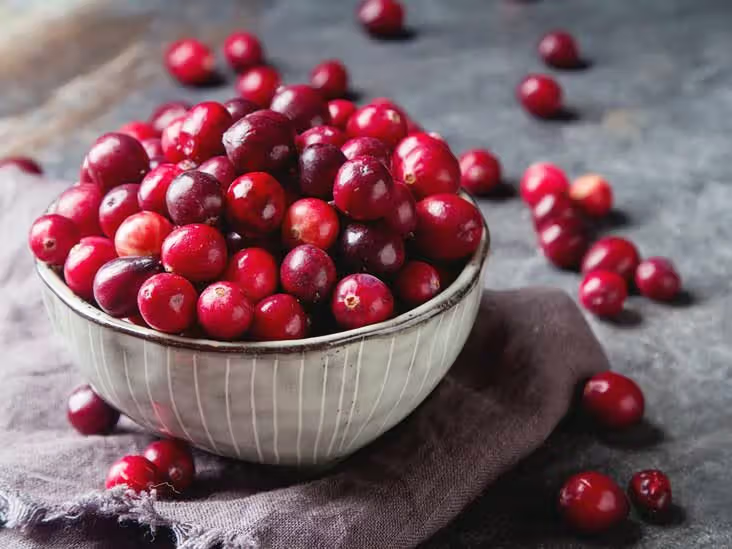
Cranberries are among the most well-known fruits for urinary health. They contain natural compounds called proanthocyanidins, which may reduce the ability of certain bacteria, particularly E. coli, to stick to the urinary tract lining. If you opt for cranberry juice, choose an unsweetened variety to avoid excess sugar.

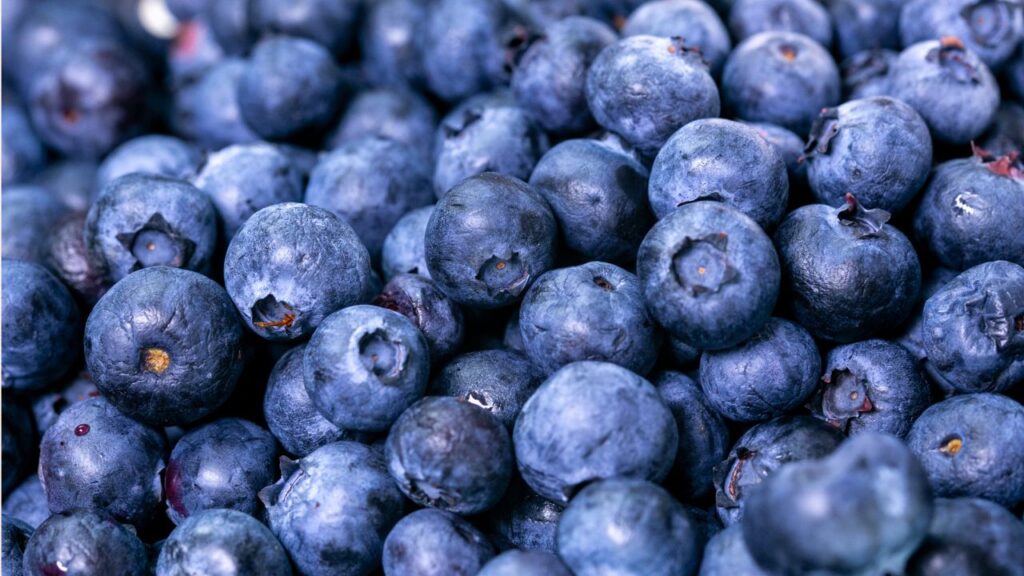
Blueberries are rich in antioxidants, vitamin C, and plant compounds that support the immune system and help protect the body against inflammation. They are also a nutritious snack that contributes to overall health.


Watermelon is one of the best fruits to eat during the rainy season because it contains over 90% water. Its high water content helps maintain hydration, increases urine production, and may assist in flushing bacteria from the urinary tract.
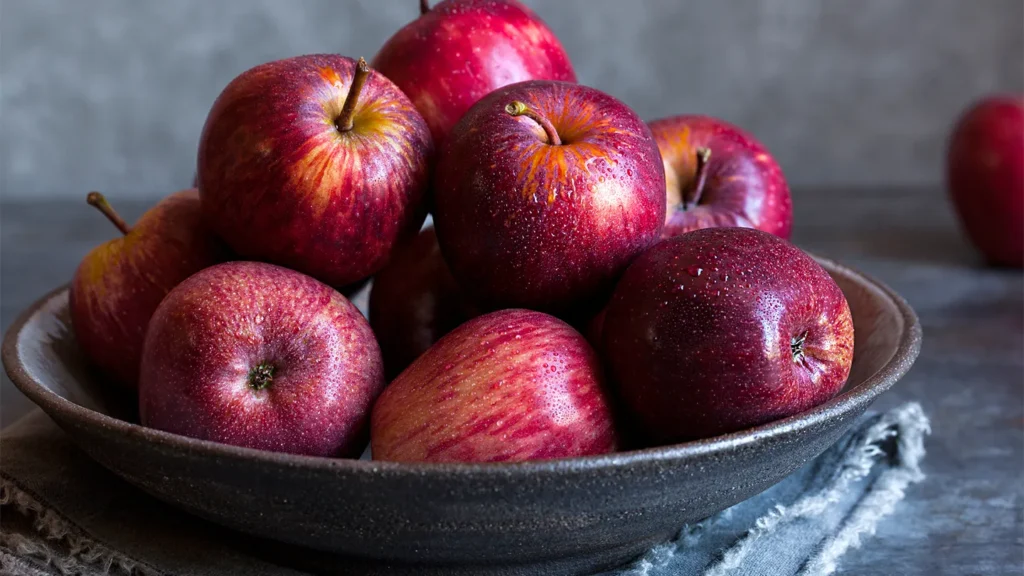
Apples are packed with fibre, vitamin C, and antioxidants such as quercetin. They support gut health and strengthen the immune system, helping the body fight infections more effectively.
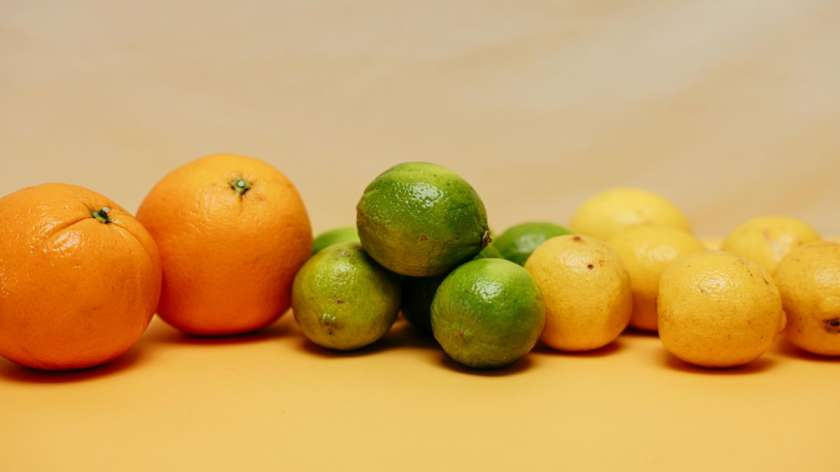
Oranges, sweet lime (mosambi), and lemons are excellent sources of vitamin C, which plays a vital role in maintaining immunity. These citrus fruits also contribute to daily fluid intake, making them ideal during the monsoon.
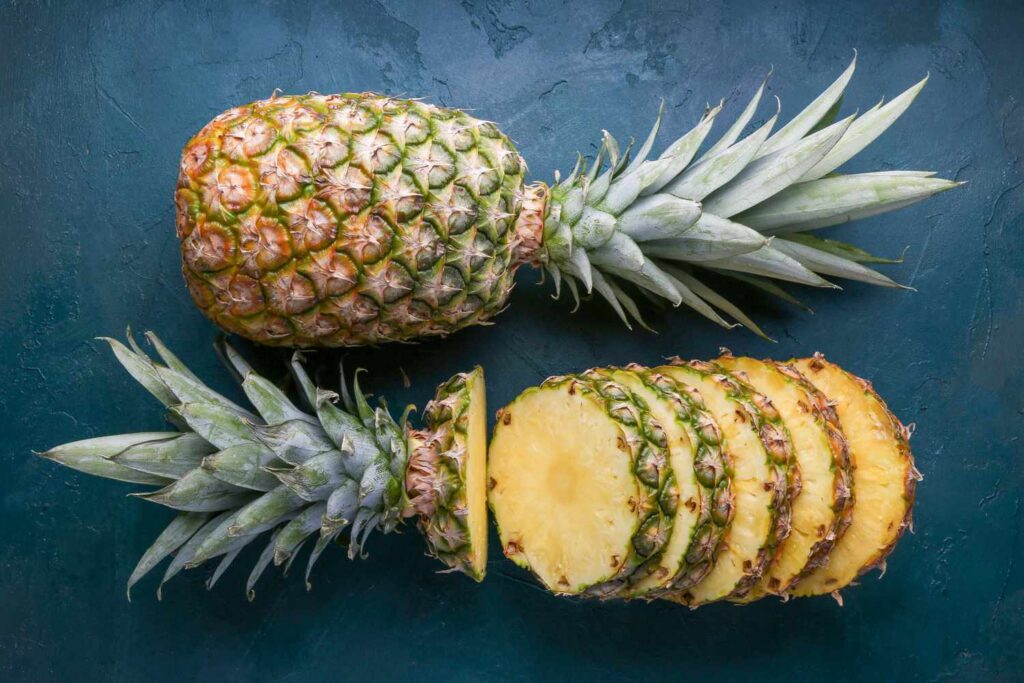
Pineapple contains bromelain, an enzyme known for its anti-inflammatory properties. While it does not prevent UTIs, pineapple can be a healthy addition to a balanced diet that supports overall wellness.
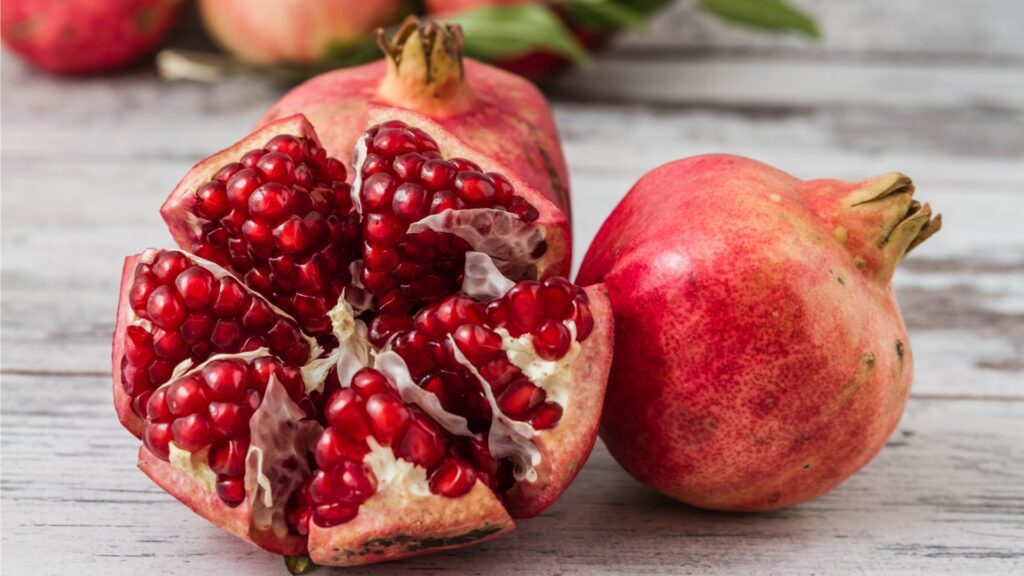
Pomegranate is loaded with antioxidants, vitamins, and polyphenols that help reduce oxidative stress and support immune health. Its high water content also contributes to hydration.
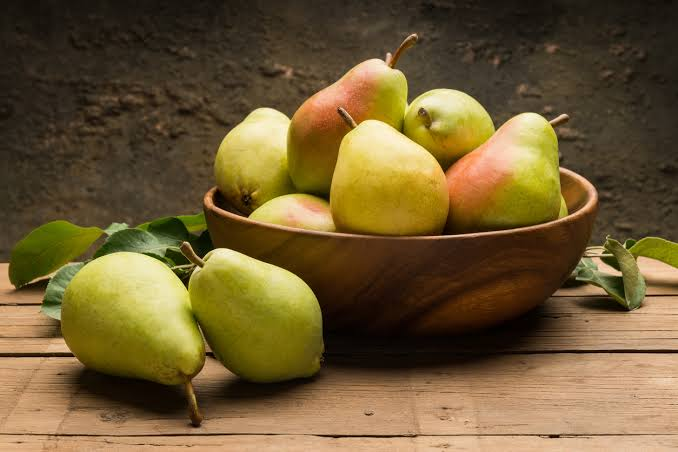
Pears are another water-rich fruit that provides fibre and essential nutrients. Eating pears can help maintain hydration while supporting healthy digestion.

Kiwi is an excellent source of vitamin C, vitamin E, and dietary fibre. These nutrients strengthen the immune system and promote overall health, making kiwi a good fruit to include in your monsoon diet.

Papaya contains vitamin A, vitamin C, and digestive enzymes that support gut health and immunity. A healthy digestive system plays an important role in maintaining the body’s natural defence against infections.
Along with eating these fruits, drinking plenty of water remains one of the most effective ways to support urinary health. Avoid holding urine for long periods, change out of wet clothes as soon as possible, wear breathable cotton underwear, and maintain good personal hygiene to reduce the risk of infections.