Success Isn’t About Working Harder: These 10 Psychology-Backed Mindset Shifts Can Help You Move Forward
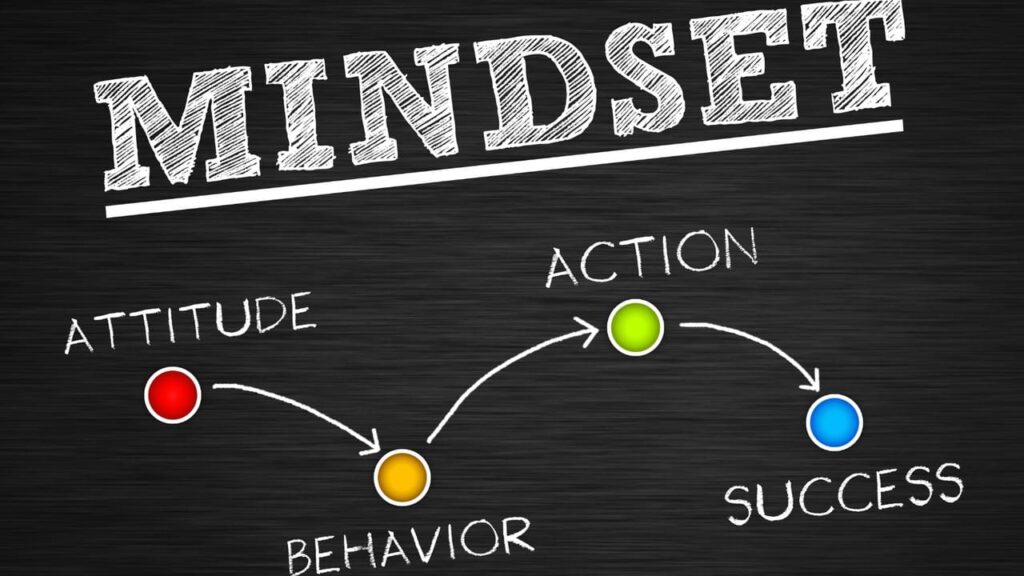
Success Isn't About Working Harder: These 10 Psychology-Backed Mindset Shifts Can Help You Move Forward
Trying to please everyone, fearing mistakes and seeking constant approval may actually hold you back. Mental health experts say lasting success often comes from changing these common habits rather than working longer hours.
By Vidhi Lalla
Pune: From childhood, most people are taught to be polite, avoid mistakes, help everyone and worry about what others think. While these values have their place, psychologists say following them blindly can sometimes become an obstacle to personal growth, emotional well-being and professional success.

Modern psychology increasingly emphasises healthy boundaries, self-awareness, emotional resilience and purposeful decision-making. Rather than constantly trying to meet everyone else’s expectations, experts encourage people to focus on habits that improve mental strength and long-term happiness.

Here are ten mindset shifts that can help people lead a more balanced and fulfilling life.
1. Stop trying to please everyone
No matter how kind or helpful a person is, it is impossible to satisfy everyone. Constantly seeking approval often leads to stress, burnout and loss of self-confidence. Instead, experts advise making decisions based on personal values rather than the fear of criticism.
2. Don’t say yes to every opportunity
Every opportunity comes with a cost—usually your time, energy or attention. Successful people often grow not because they accept everything, but because they choose opportunities that align with their goals and decline distractions that do not.
3. Treat mistakes as lessons, not failures
Fear of failure prevents many people from taking risks. Research in behavioural psychology suggests that learning from mistakes builds confidence, creativity and problem-solving skills. Progress comes through experimentation, not perfection.
4. You don’t need to respond to every criticism
Not every opinion deserves a reaction. Some criticism is constructive, while some is intended only to provoke. Learning when to ignore negativity helps preserve emotional energy and improves mental well-being.
5. Being busy is not the same as being productive
A packed schedule does not always mean meaningful progress. Productivity experts recommend focusing on high-impact tasks instead of measuring success by the number of hours spent working. Prioritising important work often produces better results than staying constantly occupied.
6. Not every relationship is meant to last forever
Some relationships enrich our lives, while others simply teach valuable lessons. Mental health professionals say maintaining relationships that consistently cause emotional distress can negatively affect self-esteem and psychological health. Setting healthy boundaries is often an act of self-respect.
7. Value your own judgment over public opinion
Many dreams remain unrealised because of the fear of “What will people say?” In reality, those opinions rarely determine one’s future. Confidence grows when decisions are guided by personal purpose rather than social approval.
8. You don’t have to appear strong all the time
Expressing emotions, asking for help or admitting vulnerability does not indicate weakness. Studies have shown that emotional openness can improve resilience, strengthen relationships and reduce stress. Suppressing emotions for long periods may increase the risk of anxiety and emotional exhaustion.
9. Accept that not everything is under your control
Life is full of uncertainty. Trying to control every outcome often creates unnecessary anxiety. Practising acceptance allows people to focus on situations they can influence while letting go of those beyond their control.
10. Stop comparing your journey with others
Everyone moves through life at a different pace. Comparing achievements with others often damages confidence and creates unrealistic expectations. A healthier benchmark is personal improvement—becoming a little better than yesterday.
A simple example often shared by counsellors involves a young professional who constantly tried to satisfy everyone around him. He worked extra hours, fulfilled every request from friends and family, and rarely said “no”. Over time, he became mentally exhausted. After learning to set boundaries and prioritise his own well-being, he noticed improvements in his focus, relationships and emotional health within a few months.
Psychologists note that success is not always about doing more. Sometimes it comes from letting go of unhelpful beliefs, building healthier habits and developing emotional resilience. True success, they say, is measured not only by achievements but also by inner peace, confidence and the ability to make thoughtful decisions.
Disclaimer: This article is for informational purposes only and is based on general psychological principles. It should not be considered a substitute for professional mental health advice, diagnosis or treatment. If emotional distress persists, consult a qualified mental health professional.