A Spoonful of Sweetness for Your Scalp? Scientists Discover Stevia’s Surprising Role in Boosting Hair Growth Treatments
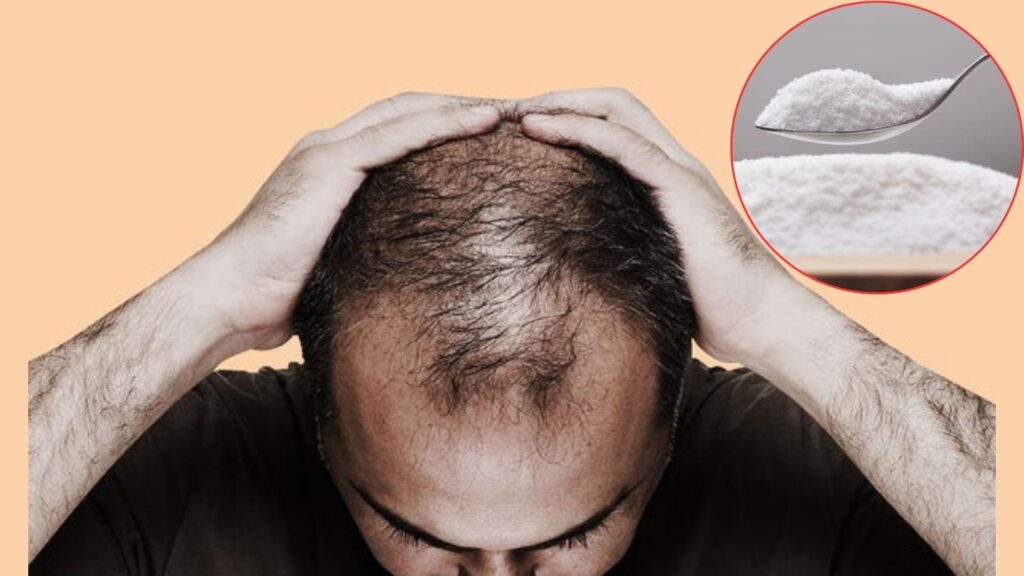
A Spoonful of Sweetness for Your Scalp? Scientists Discover Stevia’s Surprising Role in Boosting Hair Growth Treatments
What if the secret to thicker, healthier hair was hiding in your kitchen cupboard instead of a high-tech lab? The humble stevia plant, best known for sweetening your coffee without the calories, is now drawing attention from scientists for an entirely different reason — it might help regrow hair. New research from Australia suggests that stevioside, a natural compound found in stevia, could make one of the most widely used hair-loss treatments far more effective.
Hair loss affects millions of men and women worldwide, with androgenetic alopecia — commonly known as pattern baldness — being the most common form. For decades, minoxidil has been one of the only FDA-approved treatments that offer some hope of regrowth. However, while effective for some, its performance has always been limited by one major problem: it doesn’t absorb easily through the skin.
Think of minoxidil like a powerful engine stuck in neutral — full of potential but unable to move forward efficiently. Researchers have been trying to find a way to help the drug penetrate the scalp better, and now it seems stevia might be the key.

The Sweet Science Behind It
In a study published in Advanced Healthcare Materials, scientists developed a dissolvable patch that combines minoxidil with stevioside. This innovative patch was tested on mice suffering from baldness, and the results were remarkable — it not only revived dormant hair follicles but also stimulated new hair growth.
Dr. Lifeng Kang from the University of Sydney, who co-led the research, explained that the findings could open up “a new, natural path toward safer and more effective hair-loss treatments.” The discovery could help minoxidil users see results faster while reducing side effects associated with overuse.
Why Minoxidil Needs a Helping Hand
Although minoxidil has been a staple in hair regrowth for years, its limitations have been frustrating for many users. Here’s why:
Low absorption – Minoxidil doesn’t easily pass through the skin due to poor water solubility.
Delayed results – It can take several months before users notice visible improvements.
Inconsistent effects – Results vary greatly from person to person.
Side effects – Frequent application can cause irritation or dryness on the scalp.
Natural enhancer – Stevioside may help improve absorption, allowing for better results with smaller doses.
By improving how well minoxidil penetrates the scalp, stevioside could help shorten treatment time and make the results more reliable — something that current users have been hoping for.
While this study was conducted on mice, the early findings are promising. By pairing a time-tested treatment like minoxidil with a natural, plant-based booster, researchers may have found a safer, more effective way to tackle hair loss. If further studies confirm these results in humans, this sweet little plant could change how we approach baldness forever.
The idea that a natural sweetener could also be a hair growth hero might sound like science fiction, but research says otherwise. Stevioside’s ability to enhance drug absorption could transform how treatments like minoxidil work — potentially delivering faster, more consistent results. Though it’s still early days, the blend of nature and science here offers a hopeful outlook for anyone who’s been watching their hairline retreat. After all, who knew that something meant to sweeten your tea could also help sweeten the deal for your scalp?
Disclaimer: This article is based on findings and information from a study. The conclusions, interpretations, and opinions expressed are drawn from the study’s data and should not be considered as definitive or universally applicable.