Brown Eggs vs. White Eggs: Is There Really a Better Choice? Here’s What You Should Know

Brown Eggs vs. White Eggs: Is There Really a Better Choice? Here’s What You Should Know
When it comes to everyday kitchen staples, eggs easily top the list. They’re affordable, versatile, and incredibly nutritious. From quick breakfasts to rich bakes and hearty dinners, eggs make their way into nearly every cuisine around the world. But despite their common presence, one question seems to pop up again and again: are brown eggs actually better for you than white ones?
You’ve probably noticed how brown eggs are often portrayed as the healthier or more “natural” option. They’re the ones chefs crack into on cooking shows, and they’re usually priced a little higher in stores. But is there any truth behind that price tag and perception? Or is it just a marketing trick playing on our assumptions?
Let’s break it all down — the myths, the facts, and what really matters when you’re choosing between brown and white eggs.

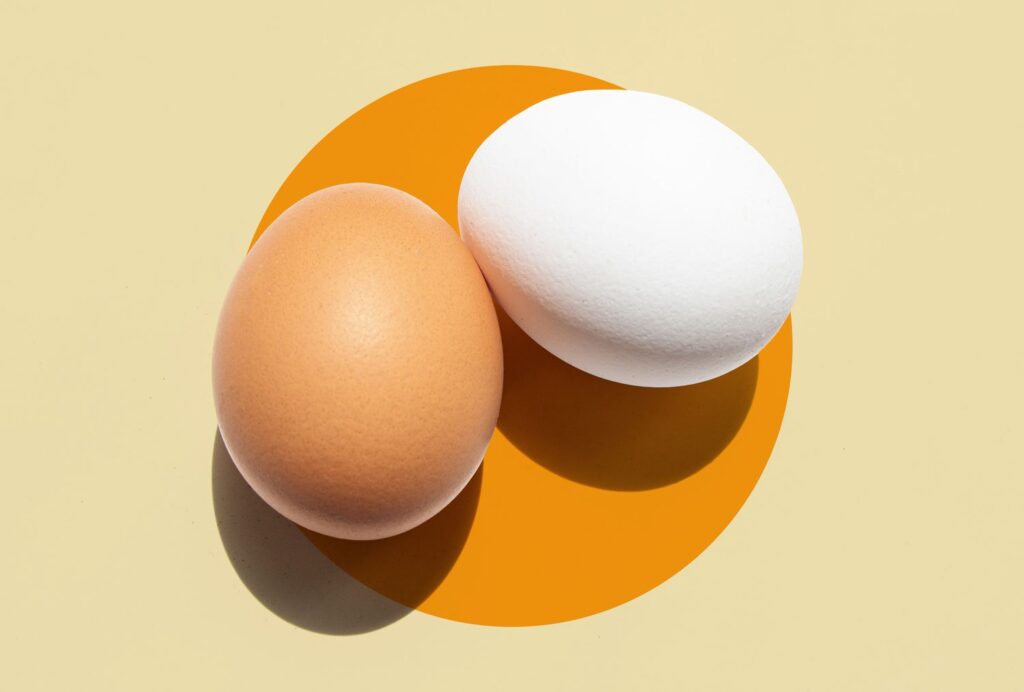
Why are some eggs brown and others white?
The color of an eggshell has nothing to do with its nutritional value. Instead, it all comes down to genetics. The breed of the hen determines the color of the egg it lays. Hens with white feathers and pale earlobes typically lay white eggs. On the other hand, those with reddish-brown feathers and darker earlobes usually lay brown eggs. The brown tint comes from natural pigments, mainly protoporphyrin, that are added during the last stage of the egg-forming process.
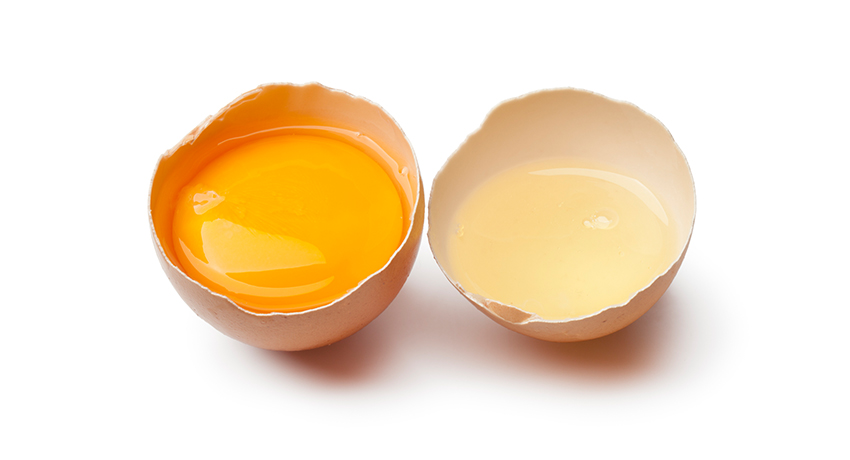
Interestingly, if you were to crack open both types, you’d find that the inner shell lining looks the same: a pearly white. That’s because the pigment only coats the outer shell. So while the appearance may vary, the makeup beneath remains consistent.
Nutritional differences: Fact or fiction?
The truth is, brown and white eggs are nearly identical in nutritional content. When you compare eggs of the same size and freshness, there’s little to no difference in the levels of protein, fat, vitamins, or minerals. Some studies have noted that brown eggs might be very slightly heavier — about one gram more on average — but that’s not enough to make a meaningful nutritional impact.
In a few controlled experiments, there were minor fluctuations in the content of certain nutrients like vitamin A, vitamin E, or fatty acids, but these differences were influenced by the hen’s diet and environment, not the shell color itself. What hens are fed, how they’re raised, and even whether they’re molting can affect the egg’s internal makeup.
Taste and texture: Do brown eggs really taste better?
You might’ve heard that brown eggs have a richer flavor, or that they’re better for certain recipes. However, scientific taste tests haven’t shown any consistent differences in flavor between brown and white eggs. In most cases, people can’t tell them apart in blind tests.
What actually influences taste and texture far more than shell color is how the hen was raised and what it ate. For instance, hens that are fed diets rich in flaxseeds or fish oils produce eggs with more omega-3 fatty acids. Similarly, if a hen spends time outdoors, especially in natural sunlight, its eggs often contain higher levels of vitamin D.
Freshness also plays a major role. Fresh eggs tend to have a firmer white (albumen) and a more pronounced flavor, making them ideal for poaching or frying. As eggs age, even in the fridge, they gradually lose some of that quality. Again, none of this has anything to do with shell color — it’s all about timing and storage.
How the hen lives matters more than the egg color
Perhaps the biggest factor in egg quality is the way the hen is raised. Terms like “free-range,” “pasture-raised,” “organic,” or “cage-free” offer insight into the hen’s lifestyle. These labels often suggest that the birds had access to better food, outdoor environments, and overall welfare.
Hens that live in low-stress, healthier environments tend to lay better-quality eggs, both in terms of nutrient density and flavor. Eggs labeled as “Omega-3 enriched” or “vitamin D fortified” often owe these enhancements to a specially tailored hen diet — not the color of the eggshell.
So, which should you choose: brown or white?
When it comes down to it, the best egg isn’t defined by its shell. Whether it’s brown or white, both provide excellent sources of high-quality protein, essential vitamins like A, D, E, and B12, as well as choline and antioxidants that support brain and eye health. Both types can fuel your muscles, support your wellness, and make a great addition to a balanced diet.
What really matters is how fresh the egg is, what the hen was fed, and how it was raised. Eggs from pasture-raised or free-range hens tend to offer a little more in terms of nutrient profile, especially when they have access to sunlight and a more varied, natural diet. If you’re trying to get more omega-3s or vitamins from your eggs, look for enriched varieties — just don’t expect that value to come from the color alone.
Price can be a factor too. Brown eggs often cost more, but that’s usually due to the type of hen or the farming methods used, not because they’re inherently better for you. Always take a moment to check the label and consider the source.
Eggs are a nutritional powerhouse — no matter what color the shell is. While brown eggs might look more “farm fresh” and white eggs more commercial, the truth lies beneath the surface. Color is just a cosmetic detail determined by the hen’s breed. Instead of judging by appearance, focus on freshness, farming practices, hen diet, and labeling transparency. Ultimately, choosing the best eggs means choosing those that align with your values — whether that’s better nutrition, animal welfare, or simply taste and affordability.
Disclaimer: The information in this article is intended for general knowledge and should not replace professional medical or nutritional advice. Always consult a healthcare provider or registered dietitian if you have specific dietary needs, allergies, or health concerns related to egg consumption.