Buying A Home On Loan? Avoid These Costly Risks Before It’s Too Late
Buying A Home On Loan? Avoid These Costly Risks Before It’s Too Late
Rising property prices, heavy EMIs, and changing tax rules make financial planning more important than emotions
Food, clothing, and shelter are considered the three basic needs of human life. While food and clothing are still within reach for most families, owning a home has become increasingly difficult. With rising inflation and major shifts in the real estate sector, buying a house is no longer just a dream but a serious financial responsibility that can affect a family’s future for decades.
Today, builders are moving away from affordable housing and focusing more on luxury projects. Homes priced up to ₹45 lakh are usually considered “affordable housing,” but developers earn only 10–12 percent profit from such projects. In comparison, luxury housing brings profits of 25–30 percent. Because of this, most builders now prefer expensive projects. The biggest impact of this shift is being felt by the middle class and first-time home buyers.
One worrying trend is that in many families, the home loan EMI has reached almost 60 percent of their monthly income. This is financially dangerous. When such a large portion of income goes into loan repayment, even a small emergency can disturb the entire household budget. That is why checking your real financial capacity before buying a house is extremely important.

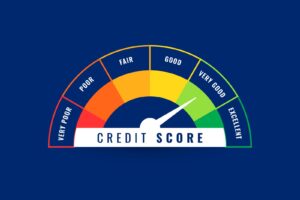
Home buying should never be an emotional decision. It must be a calculated one. Before applying for a home loan, you must first check whether you are actually eligible. Banks and financial institutions look at four main things: your monthly income, existing EMIs, regular expenses, and your CIBIL score. A good CIBIL score and stable income increase your chances of loan approval and better interest rates.
Another major area of confusion today is taxation, especially after the introduction of the new tax regime. Under the new tax system, income up to ₹12 lakh has been made tax-free. Because of this, many taxpayers are shifting from the old tax regime to the new one. But this shift comes with a big drawback: most home loan tax benefits are not available in the new tax regime.
This is where many home buyers make costly mistakes.
Under the Income Tax Act, Section 24(b) allows tax deduction on the interest paid on a home loan. This deduction falls under the head “Income from House Property.” But its application changes based on whether the house is self-occupied or rented, and which tax regime you choose.
If you live in the house yourself and follow the new tax regime, you do not get the benefit of interest deduction under Section 24(b). In simple words, even though you are paying interest on your home loan, you cannot claim tax relief on it if you have chosen the new tax system.
However, if the house is given on rent, the situation changes. In that case, you can claim tax deduction on the interest amount only up to the rental income you earn. You cannot show a loss beyond that.
For example, suppose:
- Your yearly home loan interest is ₹5 lakh
- Your annual rental income is ₹4 lakh
Then you can claim a deduction of only ₹4 lakh. The remaining ₹1 lakh cannot be adjusted against your salary income, nor can it be carried forward to future years. This is a major limitation that many buyers are not aware of.
This means if you are buying a house purely for self-use and you are under the new tax regime, the home loan will not give you the tax relief that people traditionally expected. The entire EMI burden will be on your income without any tax support.
That is why financial planning is now more important than ever. You must ask yourself:
- Can I afford this EMI if my income drops?
- What happens if interest rates increase?
- Do I have emergency savings?
- Am I choosing the right tax regime?
- Is the house an emotional purchase or a practical one?
Buying a home is not just about fulfilling a dream. It is a long-term financial commitment that lasts 15 to 25 years. A wrong decision can put continuous pressure on your income, lifestyle, and mental peace.
Instead of rushing into home ownership, it is wiser to balance emotions with financial logic. Understand your repayment capacity, loan structure, tax rules, and future responsibilities. Only when all these factors are clear should you take the final step.
A house should give you security, not stress.
Disclaimer: This article is for general information only. Home loan eligibility, tax benefits, and financial planning depend on individual income, loan terms, and government policies. Readers are advised to consult a financial advisor or tax expert before making any major property or loan-related decisions.