CNG And PNG Prices To Drop From January 1 As PNGRB Revamps Gas Tariff System
CNG And PNG Prices To Drop From January 1 As PNGRB Revamps Gas Tariff System
Unified tariff reform aims to cut transport costs, reduce regional price gaps, and make clean fuel affordable nationwide
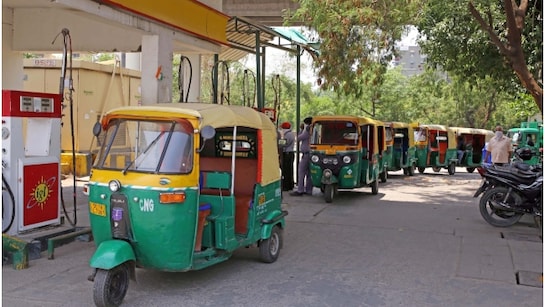
Consumers using CNG vehicles and domestic PNG connections across India are set to get relief from January 1, with prices expected to fall following a major overhaul of the natural gas tariff structure by the Petroleum and Natural Gas Regulatory Board (PNGRB). The move is part of the government’s broader push to promote clean fuel adoption and bring uniformity in gas pricing across states.
Under the new tariff rationalisation, PNGRB has simplified the natural gas transportation system by reducing the number of tariff zones from three to two. Earlier, transportation charges increased with distance, making CNG and PNG costlier in far-off states. Now, the country will be divided into just two zones — up to 300 km and beyond 300 km — significantly lowering transport costs for distant regions.
According to estimates, the City Gas Distribution (CGD) sector is expected to save around ₹1,000 crore annually due to this change. This saving is likely to be passed on to consumers, resulting in a reduction of CNG prices by about ₹1.25 to ₹2.50 per kg and PNG prices by nearly ₹0.90 to ₹1.80 per standard cubic metre.

PNGRB member A.K. Tiwari said the revised tariff structure is designed to balance the interests of consumers and gas operators while encouraging wider use of natural gas. He noted that the board has “rationalised the tariff system” to ensure that benefits reach end users, particularly CNG vehicle owners and households using PNG.
The new framework is closely aligned with the Centre’s vision of “One Nation, One Grid, One Tariff”, which seeks to eliminate wide variations in gas prices across states. By cutting transportation charges — especially for regions located more than 300 km away from gas sources — the policy aims to remove long-standing regional disparities.
Officials believe cheaper CNG and PNG will motivate more consumers to shift away from petrol and diesel, helping reduce air pollution and dependence on imported fuels. Natural gas is seen as a transition fuel in India’s clean energy roadmap, and the CGD sector is expected to play a key role in expanding its footprint.
PNGRB has clarified that it will closely monitor the implementation of the revised tariff to ensure that cost benefits are actually passed on to consumers. With nearly 40 city gas distribution networks operating across over 300 districts, the impact of the price cut is expected to be felt widely by vehicle owners and households alike.
As the new tariff comes into effect from January 1, consumers can expect more uniform pricing, lower fuel bills, and easier access to cleaner energy, marking a significant shift in India’s natural gas policy landscape.