Deposit Insurance in India: What It Covers, ₹5 Lakh Limit Explained, Risks of Bank Failures, and How to Protect Your Savings

Deposit Insurance in India: What It Covers, ₹5 Lakh Limit Explained, Risks of Bank Failures, and How to Protect Your Savings
Understanding Deposit Insurance in India: Key Facts and Insights
Financial security is a major concern for depositors, especially when banks face financial distress. Deposit insurance acts as a safeguard, ensuring that a portion of your savings remains protected. This article clarifies the scope of deposit insurance in India, its limitations, and recent trends in bank failures.
What is Deposit Insurance, and When Does DICGC Make Payments?
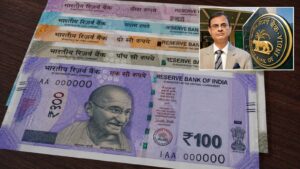
The Deposit Insurance and Credit Guarantee Corporation (DICGC), a subsidiary of the Reserve Bank of India (RBI), provides insurance coverage of up to ₹5 lakh per depositor, per bank. If a bank is liquidated, reconstructed, merged, or placed under RBI’s restrictions, DICGC steps in to compensate depositors.
- Liquidation: DICGC pays the insured amount to the liquidator within two months of receiving the claim list.
- Reconstruction or Merger: DICGC covers the difference between what the depositor receives and the ₹5 lakh insurance limit.
- Withdrawal Restrictions: If the RBI imposes withdrawal limits, insured amounts are paid directly to depositors.
What Does Deposit Insurance Cover?
Deposit insurance applies to various account types, including:

 Savings accounts Fixed deposits Recurring deposits Current accounts Foreign currency accounts of non-residents (FCNR, NRO, NRE)
However, certain deposits are not covered, such as:
 Deposits of foreign governments or central/state governments Inter-bank deposits Deposits received outside India Certain funds exempted by the RBI
Is ₹5 Lakh Insurance Coverage Sufficient?
While ₹5 lakh provides a safety net, it may not be enough for individuals with significant savings meant for retirement, education, or emergencies. Although the RBI reassures the stability of major banks, cooperative banks have faced moratoriums and withdrawal restrictions in recent years. To mitigate risk, depositors should consider:
 Spreading funds across multiple banks Holding accounts in different ownership categories (e.g., personal, joint, business)
Can DICGC Deny or Delay Claims?
Yes, claim settlements can be delayed or denied in specific cases:
- If a bank fails to provide a complete depositors’ list within 45 days
- If deposits fall outside the DICGC Act’s coverage (e.g., inter-bank deposits, government deposits)
- If there are errors or missing details in the claim information
Are Deposits Above ₹5 Lakh Insured?
The maximum insurance coverage per person, per bank is ₹5 lakh. However, you can increase your coverage by:
Depositing funds in multiple banks Holding different account types (e.g., personal, business, trust) Using joint accounts with different primary holders (e.g., a couple with separate joint accounts)
Are Bank Failures Increasing in India?
While large commercial banks remain stable, some banks have struggled in recent years:
- YES Bank (2020): Faced a liquidity crisis due to bad loans, requiring a rescue led by the State Bank of India.
- Punjab & Maharashtra Cooperative Bank (PMC Bank): Collapsed due to fraudulent lending, causing financial losses for depositors.
Following the PMC Bank crisis, the RBI increased deposit insurance from ₹1 lakh to ₹5 lakh in 2020 to enhance depositor protection.
Deposit insurance offers crucial financial protection, but its ₹5 lakh limit may not be sufficient for all depositors. Diversification across banks and account types can help maximize coverage. While RBI interventions have stabilized the banking sector, recent failures highlight the need for depositors to stay informed and plan wisely.