Exchanging Old Gold Jewellery? Income Tax Rules May Surprise You
Exchanging Old Gold Jewellery? Income Tax Rules May Surprise You
Many Indians exchange old jewellery for new designs without cash transactions, but tax experts warn that such exchanges can still attract capital gains tax under Income Tax rules.
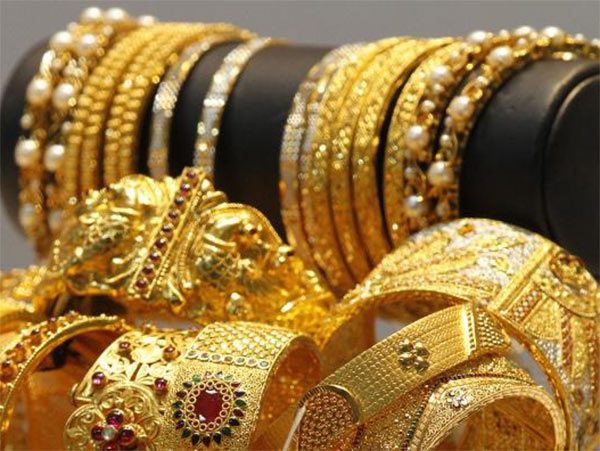
With gold prices touching record highs, many families are now choosing to exchange old jewellery for new designs instead of buying fresh gold outright. Jewellers across the country are promoting attractive exchange and buy-back schemes, making the process appear simple and tax-free.

However, tax experts warn that exchanging old gold jewellery can sometimes attract Income Tax scrutiny and even lead to capital gains tax liability.
In India, gold is not just an investment but also an emotional family asset passed down through generations. Many people believe that if no cash is received while exchanging old jewellery for new ornaments, there is no tax involved. But according to Income Tax rules, even an exchange transaction can be treated as a “transfer of asset”.

This means that if the value of gold has risen significantly since the original purchase, the increase in value may be treated as capital gains and taxed accordingly.
For example, if someone bought gold jewellery many years ago at a much lower price and now exchanges it for new jewellery after gold prices have sharply increased, the Income Tax Department may calculate tax on the appreciation in value, even if no money changed hands.
The issue becomes more complicated in the case of inherited or ancestral jewellery. In many Indian families, old gold ornaments are passed from one generation to another without proper bills, valuation records or purchase documents. In such situations, calculating the original purchase cost becomes difficult during tax assessment.
Tax experts say that for inherited jewellery, the original purchase cost and holding period of the previous owner are usually considered while calculating capital gains. In older cases, the valuation as of April 1, 2001 is also considered important for tax calculations.
Experts warn that many people casually exchange old jewellery assuming it is merely a design upgrade, while tax authorities may treat it as a taxable transfer of property.
Jewellers also deduct making charges, melting loss and purity adjustments during exchange transactions. As a result, customers may receive lower value than expected while also facing possible tax implications in some cases.
According to reports, the Income Tax Department keeps a close watch on high-value gold transactions, especially when proper documentation is unavailable.
Tax consultants advise people to maintain old purchase bills, valuation certificates and exchange receipts before opting for jewellery exchange schemes. Keeping proper records can help avoid future notices, disputes or unexpected tax burdens.
Experts also suggest checking whether the exchange actually offers financial value, as many customers lose money through deductions despite believing they are getting a better deal through old gold exchange offers.
Disclaimer: Income tax rules may vary depending on individual circumstances, holding period and source of jewellery ownership. Readers are advised to consult a qualified tax expert or chartered accountant before making high-value gold exchange transactions.