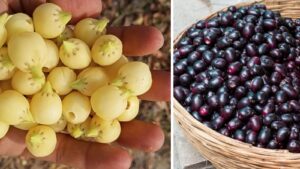
Forget Avocado Toast – Amla Is the Desi Superfruit That Beats It on Every Front
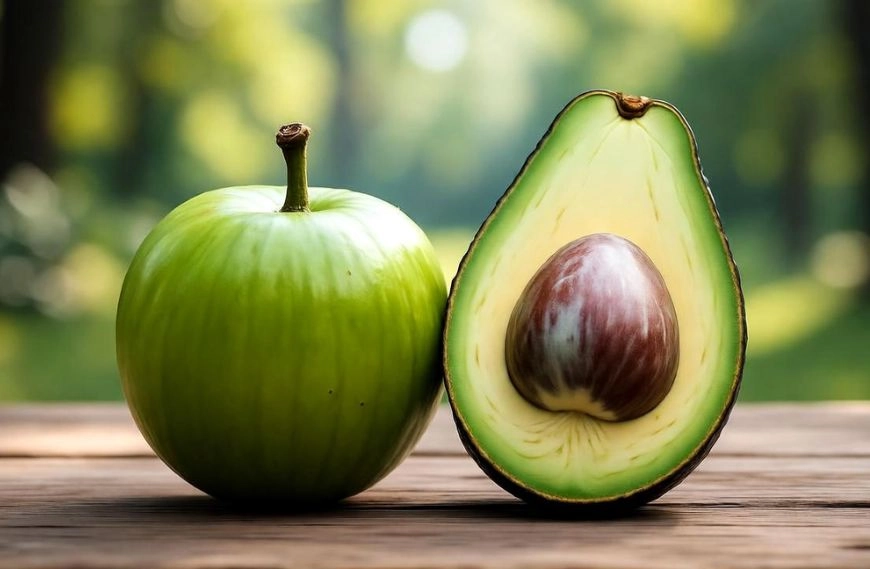
Forget Avocado Toast - Amla Is the Desi Superfruit That Beats It on Every Front
While avocado has earned its “superfood” crown, experts say the humble amla offers even greater value especially for Indian diets and wallets.
Avocado has surged in popularity as a global health food, praised for its creamy texture and heart-friendly fats. Yet when stacked against India’s traditional superfruit, amla (Indian gooseberry), the comparison reveals a surprising twist: amla may actually pack more nutrition for less money. According to specialists, especially in the Indian context, this native fruit could be the wiser, more sustainable pick.
The Nutrient Face-Off
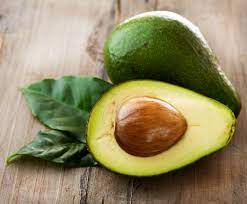
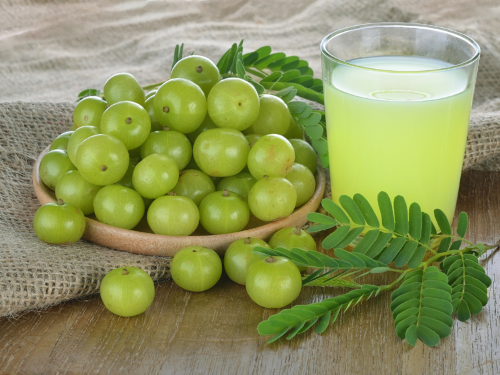
Avocados are rich in monounsaturated fats, fiber, vitamins E and K, potassium and antioxidants—all of which contribute to cardiovascular health and lowering harmful cholesterol particles. However, amla offers a different set of virtues. A single fruit can meet your entire daily requirement of vitamin C and brings considerable antioxidant power, supporting immune function, skin health and reducing oxidative stress.
Further, amla delivers fiber and chromium, helpful for blood sugar regulation alongside polyphenols with anti-cancer potential. In simpler terms, while avocado serves as a premium source of “healthy fats,” amla offers a broader range of benefits, especially for immunity, vitality and metabolic health.

Cost, Availability and Fit for India
Here’s where the difference really shines: avocados are often imported, expensive, and not always perfectly suited to Indian growing conditions or diets. They carry a higher environmental footprint too. On the other hand, amla grows abundantly across Indian landscapes, is affordable, and fits naturally into traditional cuisine and Ayurveda-based wellness practices.
This local availability means you’re likely getting fresher produce and better nutrient retention, all at a lower cost. For those managing budgets, or seeking health without premium pricing, amla emerges as a practical winner.
From Wellness to Everyday Food
Experts suggest that consuming one small amla daily can bolster immunity, support heart and liver health, and aid digestion. Its antioxidants help curb blood pressure, while its compounds benefit skin, hair and metabolic balance. Meanwhile, avocados retain their place—especially for those focused on healthy fats, smoothies or modern snack bowls—but may not always be the most efficient pick for all health goals.
So Which Should You Choose?
If your aim is to enrich your diet with quality nutrients while keeping costs and environmental impact in check, amla is a smart move. But if you’re drawn to the fat profile of avocados for specific reasons (for instance, high-fat keto diets or creamy textures), they still hold strong.
The key takeaway: you don’t need to discard avocado altogether, but you may want to consider rediscovering amla—India’s affordable, nutrient-dense superfruit. It invites you to blend ancient food wisdom with modern health goals, enjoying variety without overpaying for hype.
Disclaimer: This article is intended for general health and nutrition awareness only. It is not a substitute for personalized medical or dietary advice. For individual dietary guidance or health concerns, consult a qualified healthcare professional.