Gold Prices Drop ₹3,000, Silver Falls ₹7,000 This Week: What Could Drive Bullion Rates Ahead?
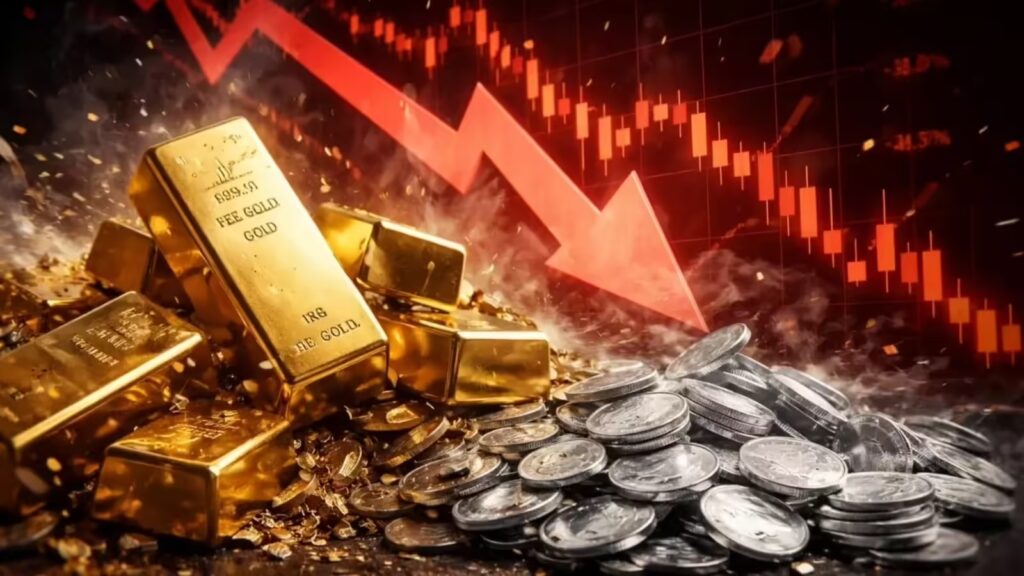
Gold Prices Drop ₹3,000, Silver Falls ₹7,000 This Week: What Could Drive Bullion Rates Ahead?
Gold and silver prices witnessed a notable correction this week, offering relief to consumers planning jewellery purchases and investors tracking the bullion market. Gold prices declined by around ₹3,000, while silver fell by nearly ₹7,000, making it one of the sharpest weekly corrections in recent weeks.
The decline comes despite ongoing geopolitical uncertainties, highlighting the growing influence of global economic factors on precious metal prices.

Why Did Gold Prices Fall?
Gold is traditionally viewed as a safe-haven asset during periods of uncertainty. However, analysts say expectations surrounding global interest rates and inflation are currently having a greater impact on bullion prices than geopolitical tensions.

Rising crude oil prices have fuelled concerns over inflation, leading to expectations that the US Federal Reserve may maintain higher interest rates. Higher interest rates generally increase the appeal of interest-bearing investments such as government bonds, reducing demand for assets like gold that do not generate regular returns.
This shift in investor sentiment has contributed to the recent decline in gold prices.
Silver Faces Greater Price Swings
Silver often experiences sharper price movements than gold because it serves both as a precious metal and an industrial commodity.
Apart from jewellery and investment demand, silver is widely used in sectors such as:
- Solar energy
- Electric vehicles (EVs)
- Electronics manufacturing
- Artificial Intelligence (AI) and advanced technologies
Any changes in industrial demand or economic outlook can therefore have a significant impact on silver prices.
Factors That Could Influence Prices
Market participants will be watching several domestic and international developments in the coming days, including:
- Global economic indicators
- Inflation trends
- Crude oil prices
- US employment and housing data
- Central bank policy decisions, particularly from the US Federal Reserve
These factors are expected to influence investor sentiment and determine the short-term direction of gold and silver prices.
What Should Buyers Keep in Mind?
Experts generally advise consumers planning to purchase jewellery not to make decisions based solely on short-term price movements. Instead, buyers may consider monitoring market trends and making purchases in phases, especially during periods of high volatility.
It is also important to note that the prices quoted on commodity exchanges differ from retail jewellery prices. Jewellery rates include additional costs such as GST, making charges, and the jeweller’s margin, making the final purchase price higher than exchange-traded bullion rates.
While recent price corrections have provided some relief to buyers, the bullion market is expected to remain sensitive to global economic developments. Investors and consumers alike are likely to keep a close watch on upcoming economic data and policy announcements that could shape gold and silver prices in the weeks ahead.
Disclaimer
This article is for informational purposes only and does not constitute financial or investment advice. Gold and silver prices are subject to market fluctuations and can change based on domestic and global economic developments. Readers should consult a qualified financial advisor or conduct their own research before making any investment or purchasing decisions.