Health Benefits of Pumpkin Seeds and Easy Ways to Add Them to Your Diet
Health Benefits of Pumpkin Seeds and Easy Ways to Add Them to Your Diet
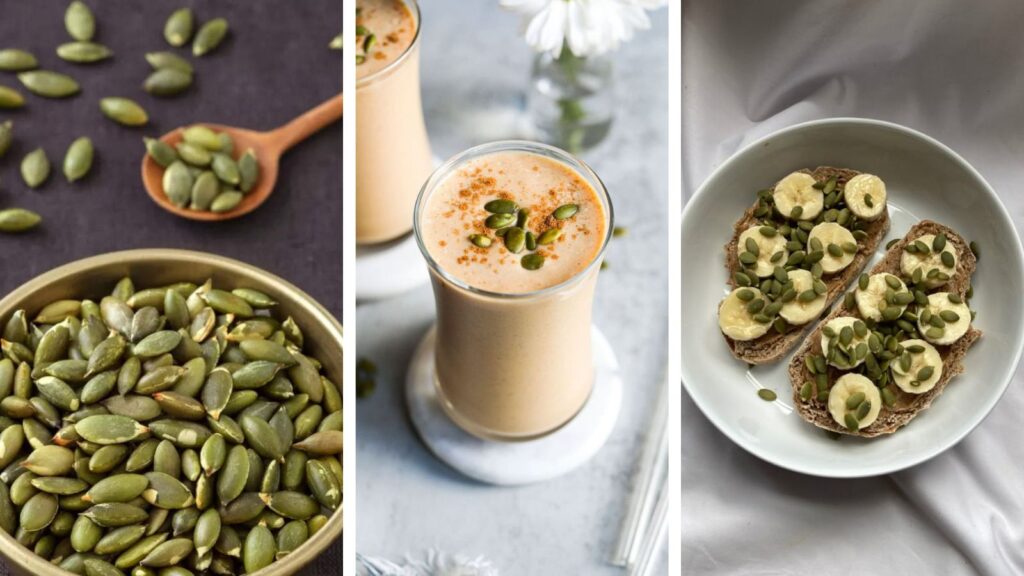
June 5: Pumpkin seeds may be small in size, but they are packed with nutrients that can offer several health benefits. Also known as pepitas, these edible seeds are rich in protein, healthy fats, vitamins and minerals, making them a popular addition to a balanced diet.
They are an excellent source of magnesium, zinc and iron. Magnesium helps support muscle and nerve function, while zinc plays an important role in maintaining a healthy immune system. Iron helps the body produce red blood cells and prevents fatigue.

Pumpkin seeds are also rich in antioxidants, which help protect the body’s cells from damage caused by harmful free radicals. Regular consumption may help reduce inflammation and support overall health.

Due to their high protein and fibre content, they help keep people feeling full for longer periods, which may aid in weight management and reduce unhealthy snacking.
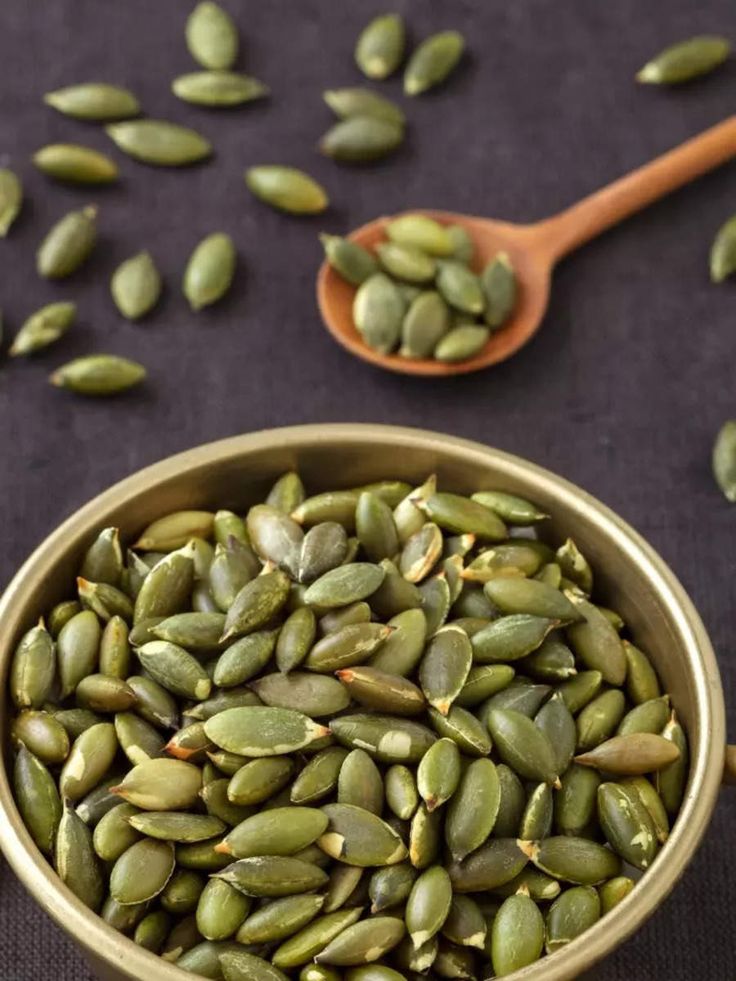
Research suggests that pumpkin seeds may also support heart health. They contain healthy fats, magnesium and antioxidants that can help maintain normal blood pressure levels and improve overall cardiovascular function.
The seeds are known to contain compounds that may promote better sleep. They are a natural source of tryptophan, an amino acid that helps the body produce serotonin and melatonin, hormones associated with relaxation and sleep.
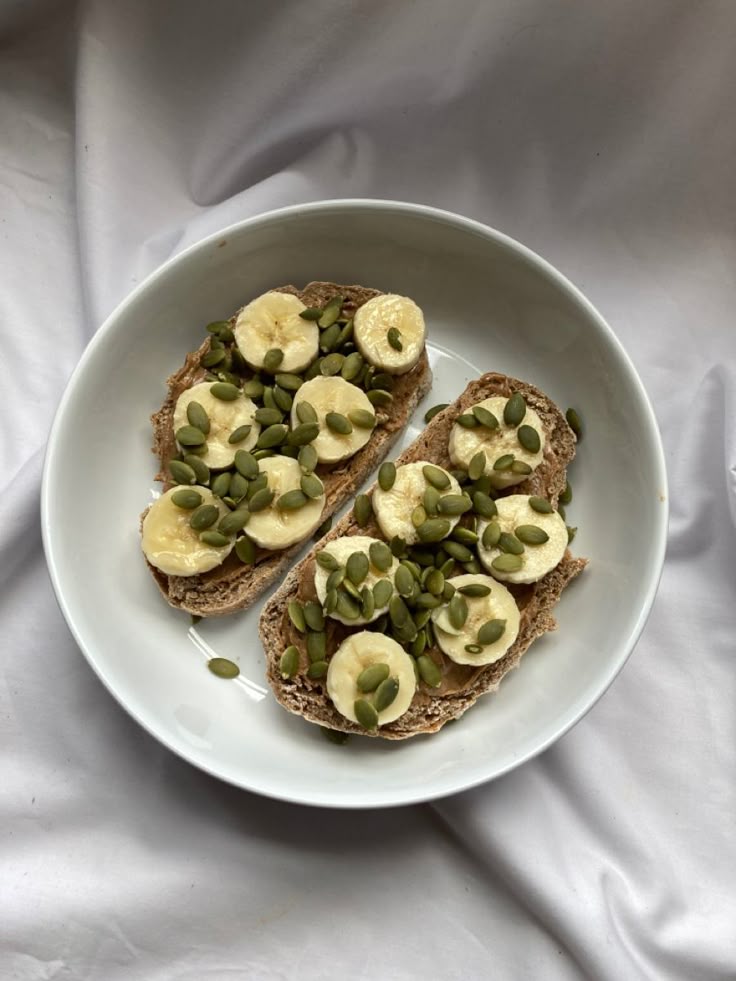
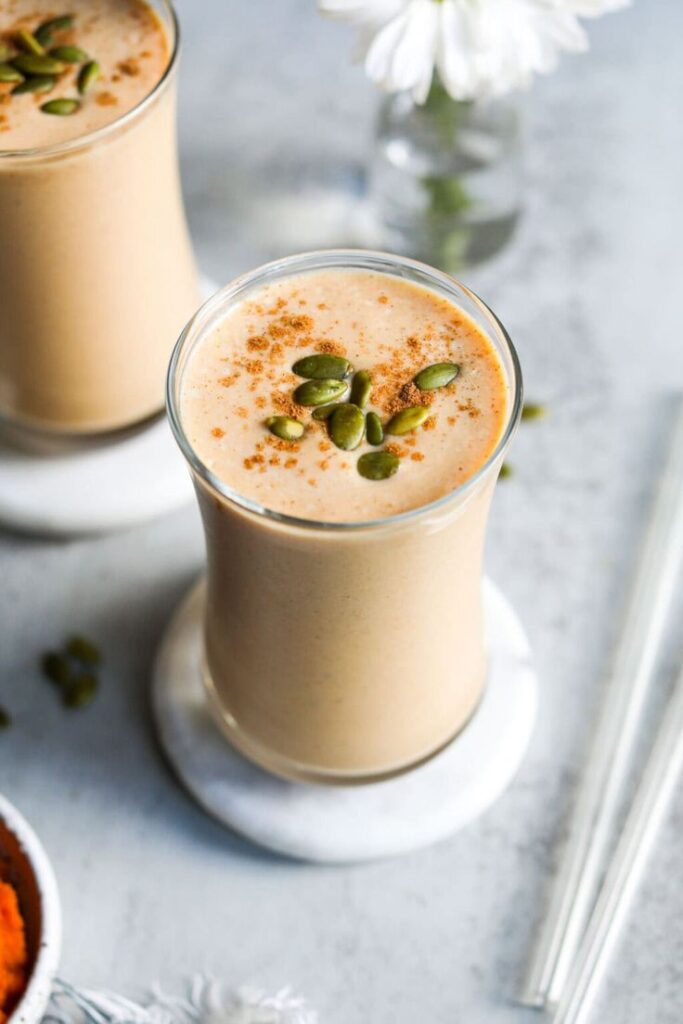
Pumpkin seeds are also easy to include in everyday meals. They can be eaten roasted as a snack or added to salads, yoghurt, smoothies and oatmeal for extra nutrition and crunch. Many people also use them in homemade trail mixes, energy balls and chutneys.
For those who enjoy experimenting in the kitchen, pumpkin seeds can be blended with garlic, green chillies, and herbs to make a flavorful chutney. They are also commonly used in homemade energy balls made with dates, oats and nuts, providing a healthy snack option.
Disclaimer:
This article is intended for informational and educational purposes only and should not be considered medical, nutritional, or professional healthcare advice. The health benefits mentioned are based on general nutritional information and available research on pumpkin seeds. Individual health needs and responses may vary. Readers should consult a qualified healthcare professional, registered dietitian, or nutritionist before making significant dietary changes, especially if they have existing medical conditions, allergies, or are taking medications. The article is not intended to diagnose, treat, cure, or prevent any disease.